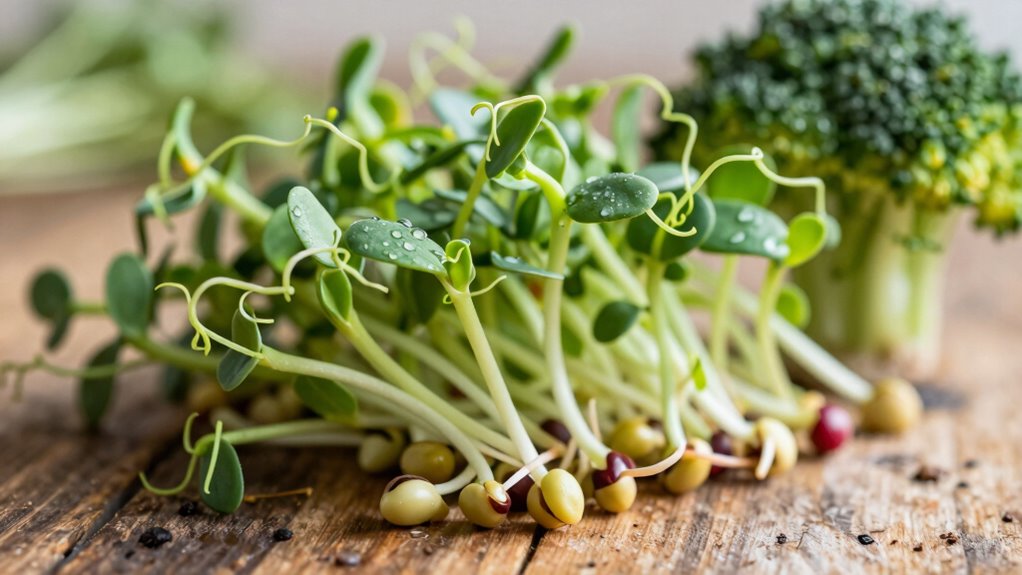

If you’re starting your raw diet journey, it’s best to begin with easy-to-grow sprouts like sunflower, alfalfa, or mung beans. These sprouts are simple to prepare, packed with nutrients, and add crunch and flavor to your meals. They activate enzymes and reveal nutrients, supporting digestion and overall health. As you progress, you’ll discover more advanced techniques to boost flavor and benefits—continue to explore to maximize your raw food potential.

Get kitchen staples and gadgets delivered free with Prime
- Fast, free delivery on millions of items
- Prime Video, Amazon Music and more included
- Member-only deals all year
Key Takeaways
- Start with easy-to-grow sprouts like alfalfa and mung beans for beginner-friendly options.
- Prioritize nutrient-dense sprouts such as broccoli for health benefits.
- Choose sprouts that enhance raw dishes with texture and flavor.
- Focus on sprouts with high protein and fiber to support energy and digestion.
- Gradually incorporate fermented sprout products for added probiotics and flavor.
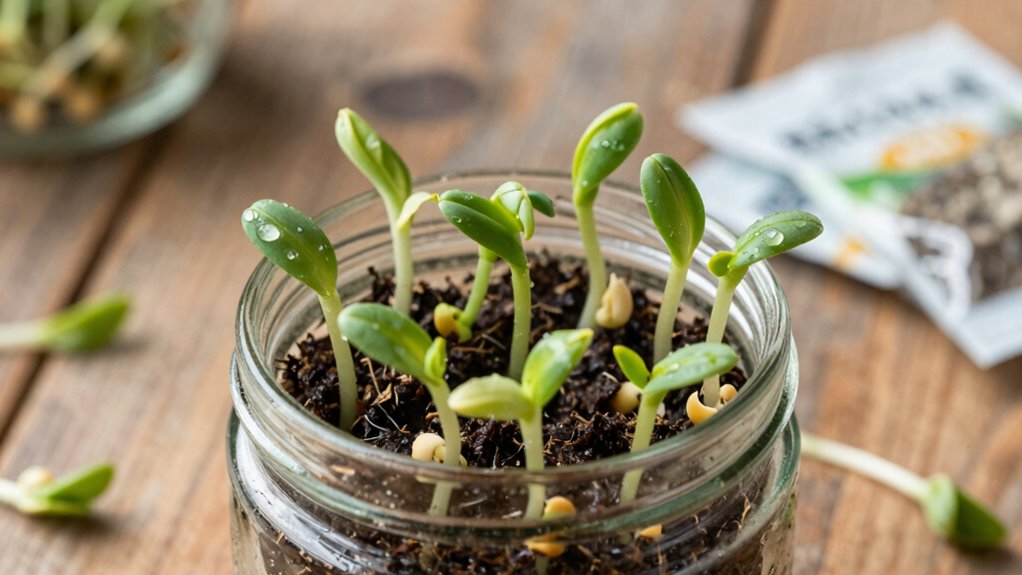
Have you ever considered how sprouting can enhance your raw diet? Sprouting transforms ordinary seeds, nuts, and grains into nutrient-dense foods that are easier to digest. When you start sprouting, you unlock a variety of fermentation techniques that can boost the nutritional profile of your foods. Fermentation not only preserves your sprouts but also enhances their flavor and bioavailability of nutrients. By introducing specific fermentation methods, you can reduce anti-nutrients like phytic acid, which can hinder mineral absorption, and create probiotic-rich foods that support gut health. The process of sprouting itself begins with soaking seeds or grains in water, encouraging them to sprout small shoots. This simple step activates enzymes, breaks down stored nutrients, and starts the fermentation process naturally. As you become more familiar with fermentation techniques, you’ll notice how these methods amplify the nutritional benefits of your sprouts, making them an even more powerful addition to your raw diet. Additionally, incorporating proper fermentation techniques can help you control the flavor development and ensure food safety during storage. When choosing what to sprout first, start with easy-to-grow options like alfalfa, broccoli, or mung beans. These sprouts are quick to germinate and require minimal equipment, making them ideal for beginners. They’re rich in vitamins, antioxidants, and enzymes that support your overall health. For instance, broccoli sprouts contain sulforaphane, a compound known for its anti-inflammatory and cancer-fighting properties. Mung bean sprouts are high in protein and fiber, contributing to sustained energy and digestive health. As you incorporate these into your meals, you’ll notice how they add crunch, freshness, and nutritional punch to salads, wraps, and smoothies. Understanding fermentation techniques can also help you unlock additional health benefits and flavors, making your raw diet more enjoyable and diverse. Sprouting is not just about boosting nutrients; it’s also about enjoying the process and exploring new flavors. As you gain confidence, you can experiment with different fermentation techniques, such as lacto-fermentation, to create tangy, probiotic-rich foods that further improve gut health. These techniques help preserve your sprouts longer and develop complex flavors that elevate your raw dishes. Proper sanitation and monitoring fermentation times are crucial to prevent spoilage**, ensuring safe and tasty results. Additionally, learning about the science of fermentation** can help you fine-tune the process for better flavor, safety, and nutrient retention. By starting with simple sprouts and gradually exploring fermentation techniques, you’ll enrich your raw diet with vibrant, nutrient-packed foods that support your health goals. Sprouting is a versatile, cost-effective way to optimize your diet, and the nutritional benefits are well worth the effort.
As an affiliate, we earn on qualifying purchases.
Frequently Asked Questions
Can Sprouting Be Safely Done Indoors Year-Round?
Yes, you can safely sprout indoors year-round. Just guarantee your indoor humidity stays moderate, preventing mold growth. Use clean sprouting containers with good drainage and airflow to keep your sprouts healthy. Keep the containers in a well-ventilated area away from direct sunlight. Regular rinsing and monitoring humidity levels help maintain a safe environment, making indoor sprouting a convenient, all-year option for fresh, nutrient-rich sprouts.
How Long Does It Take for Different Seeds to Sprout?
When it comes to seed germination, patience is key, and sprouting techniques can vary. Typically, small seeds like alfalfa sprout in 2-5 days, while larger seeds like beans may take 5-7 days. You’ll notice tiny shoots emerging as a sign of success. Keep your sprouting environment cozy and moist, and you’ll enjoy a vibrant harvest in just a few days, making your raw diet both delicious and rewarding.
Are There Any Seeds That Shouldn’T Be Sprouted?
Yes, some seeds shouldn’t be sprouted because they’re toxic or produce unsuitable sprouts. For example, avoid sprouting apple seeds, cherry pits, and rhubarb leaves, as they contain cyanogenic compounds that can be harmful. Also, avoid sprouting seeds like kidney beans unless cooked, since raw kidney beans are toxic. Always research specific seeds before sprouting to make certain they’re safe and non-toxic, protecting your health while enjoying fresh, nutritious sprouts.
What Are Common Issues Faced During Sprouting?
Ever wonder what can go wrong during sprouting? You might face contamination risks if you don’t keep your sprouting equipment clean or if your seeds aren’t thoroughly rinsed. Mold and bacterial growth are common issues that can develop quickly. To avoid this, make certain your equipment is sanitized and rinse your sprouts regularly. Proper airflow and avoiding excess moisture also help prevent spoilage and keep your sprouts healthy and safe to eat.
How Do I Store Sprouted Seeds for Freshness?
To keep your sprouted seeds fresh, store them in airtight storage containers and place them in the refrigerator. Rinse the sprouts gently before storage to remove any excess moisture, which helps prevent spoilage. Use refrigeration tips like keeping the container upright and avoiding overcrowding to guarantee good airflow. Consume the sprouts within 3-5 days for maximum freshness and nutrition. Proper storage keeps your sprouts safe and flavorful.
Conclusion
Getting started with sprouting for your raw diet is as easy as pie once you know what to pick first. Focus on nutrient-packed options like alfalfa, broccoli, and mung beans to maximize health benefits. Remember, Rome wasn’t built in a day, so don’t rush the process. With patience and a little practice, sprouting will become second nature, and you’ll be on your way to a fresher, healthier diet—just like they say, the proof is in the pudding!
NFL season / tailgating Picks
team gear
As an affiliate, we earn on qualifying purchases.