
TL;DR

Get kitchen staples and gadgets delivered free with Prime
- Fast, free delivery on millions of items
- Prime Video, Amazon Music and more included
- Member-only deals all year
Imperio Distribution LLC is recalling 946 pounds of ready-to-eat beef jerky because the products were made without federal inspection and carried an unauthorized USDA inspection mark. The products were sold in seven Midwestern states; no illnesses or injuries have been confirmed. Consumers should not eat them and should discard them or return them to the store.
Imperio Distribution LLC is recalling 946 pounds of ready-to-eat beef jerky after the U.S. Department of Agriculture’s Food Safety and Inspection Service said the products were made without federal inspection and bore an unauthorized USDA inspection mark. The jerky was distributed to retailers in seven Midwestern states; officials reported no confirmed illnesses or injuries.
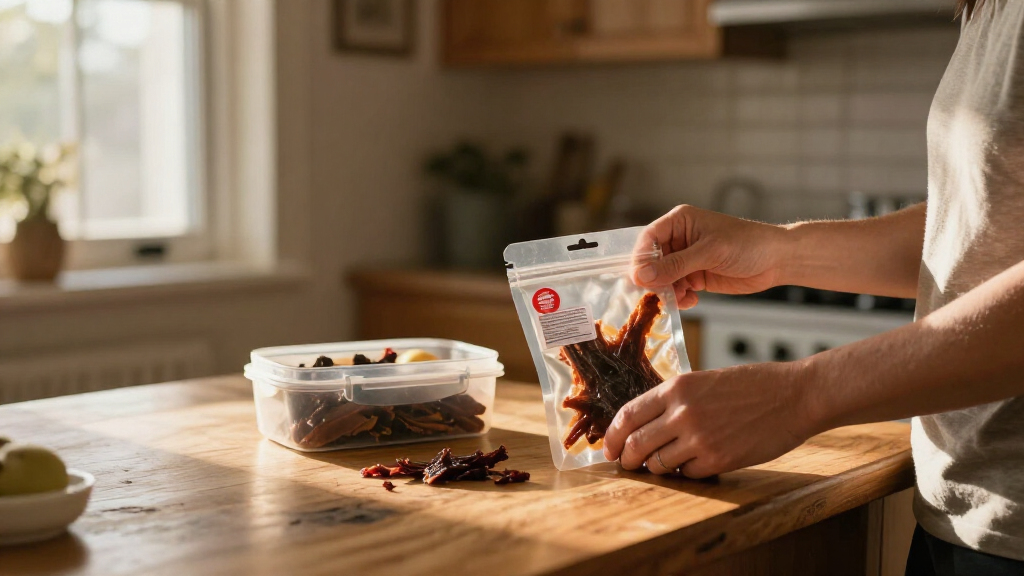
The recall covers three varieties sold in 2-ounce sealed bags: Imperio Fuego Beef Jerky (Carne Seca), Imperio Original Beef Jerky (Carne Seca), and Imperio Limón Beef Jerky (Carne Seca). The products were packaged between January 2026 and October 2026, according to the FSIS announcement reported by Food Safety News.
The agency said the packages used another facility’s mark of inspection, bearing establishment number 1885 inside the USDA mark. The affected products went to retail locations in Illinois, Indiana, Iowa, Michigan, Minnesota, Missouri and Wisconsin. FSIS said it found the issue during its surveillance activities.
Consumers who have bought the listed jerky are urged not to eat it. FSIS advises throwing the products away or returning them to the place of purchase. Anyone concerned about a possible illness or injury should contact a healthcare provider. The agency said it had received no confirmed reports of illness or injury linked to the products at the time of its announcement.
Why the Inspection Violation Matters
The recall concerns more than an incorrect label. Federal inspection is part of the system used to verify that covered meat products are produced under required oversight. FSIS warned that food made without inspection may contain undeclared allergens, harmful bacteria or other contaminants that could affect consumer health and safety. The agency did not report that any specific contaminant had been found in this jerky.
The unauthorized inspection mark can also make it harder for shoppers to determine where a product was made and whether it received the required oversight. Because the products were sold across seven states and could remain in home refrigerators or pantries, the agency’s advice applies to consumers as well as retailers holding the items.
Products Worth Considering

Vitamix 5200 Professional-Grade Blender, 64 oz. Container, Black

Le Creuset Enameled Cast Iron Round Dutch Oven, 5.5 Qt, Flame

Breville Smart Grinder Pro Conical Burr Coffee Grinder, Brushed Stainless Steel
As an affiliate, we earn on qualifying purchases.
How the USDA Mark Became an Issue
FSIS is the USDA agency responsible for oversight of meat, poultry and egg products under its jurisdiction. An inspection mark on a package identifies a facility associated with federal inspection. In this case, FSIS said the jerky was produced without the benefit of federal inspection and used a mark belonging to another establishment, identified by number 1885.
The agency’s announcement identifies the issue through its surveillance activities, rather than reporting a confirmed illness cluster or a laboratory finding of contamination. The recall notice, published October 24, 2026, names the three products, their package size, the packaging period and the states where they were distributed. It does not provide specific lot codes or best-by dates in the supplied report.
“The products were produced without the benefit of federal inspection and misbranded because of the unauthorized use of a USDA mark of inspection.”
— U.S. Department of Agriculture’s Food Safety and Inspection Service
What Is Not Yet Confirmed
FSIS reported no confirmed illnesses or injuries connected with the recalled products, and the supplied report does not say that testing found a particular pathogen, allergen or other contaminant. The agency’s warning describes potential risks associated with food produced without inspection, not a finding that those hazards are present in these specific bags.
The report also does not list lot numbers, best-by dates, individual store locations, or how many of the 946 pounds may have reached consumers. It is not clear from the available information whether all recalled products have been removed from retail shelves or how many packages remain in homes. The affected states and product names are specified, but shoppers should check the package details against FSIS recall information or contact the retailer if unsure.
Consumer and Retailer Steps
Consumers should check their pantries and refrigerators for the three named 2-ounce Imperio varieties and avoid eating any package covered by the recall. FSIS says the product should be discarded or returned to the place of purchase. Retailers in the affected states should check inventory and follow the agency’s recall instructions.
People who believe they became ill after eating the jerky should contact a healthcare provider. Further information could clarify affected package identifiers, retail distribution and whether any additional action is needed. Until then, the agency’s instruction remains not to consume the recalled products.
Key Questions
Which beef jerky products are included in the recall?
The recall covers 2-ounce bags of Imperio Fuego, Imperio Original and Imperio Limón Beef Jerky, each labeled “Carne Seca.”
Why was the jerky recalled?
FSIS said it was produced without federal inspection and used another facility’s USDA inspection mark, identified by establishment number 1885.
Where was the recalled jerky sold?
It was distributed to retail locations in Illinois, Indiana, Iowa, Michigan, Minnesota, Missouri and Wisconsin.
Have any illnesses been reported?
FSIS said there were no confirmed reports of illness or injury linked to the products when it announced the recall. The agency cautioned that food made without inspection may pose health risks.
What should I do if I have a bag?
Do not eat it. FSIS advises throwing the product away or returning it to the place of purchase. Contact a healthcare provider if you are concerned about an illness or injury.
Source: rss