TL;DR

Get kitchen staples and gadgets delivered free — and shop member deals
- Fast, free delivery on millions of items
- Access to Prime Big Deal Days deals on October 6–7
- Prime Video, Amazon Music and more included
The USDA’s Food Safety and Inspection Service issued a public health alert for two Grace canned chicken Vienna-style sausage products illegally imported from Jamaica. The products were distributed to retailers in five states; FSIS reports no confirmed illnesses or injuries and advises consumers not to eat them.
The U.S. Department of Agriculture’s Food Safety and Inspection Service (FSIS) has issued a public health alert for two canned Grace chicken Vienna-style sausage products that were illegally imported from Jamaica, which is not eligible to export meat or poultry products to the United States. The products reached retail locations in Alabama, Florida, Georgia, Maryland and Texas; FSIS says there are no confirmed reports of illness or injury linked to them.
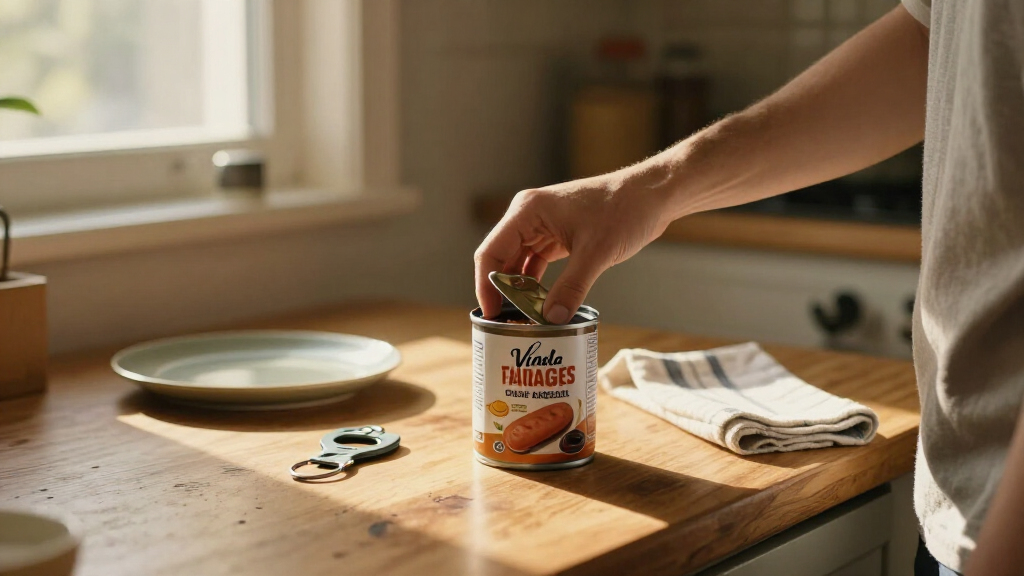
The alert covers 140-gram cans labeled “GRACE READY TO EAT CHICKEN VIENNA SAUSAGES” and “GRACE READY TO EAT CHICKEN VIENNA SAUSAGES HOT & SPICY.” FSIS says the products are covered regardless of product date. The cans bear the establishment number “EST. NO G-01” inside a Jamaica mark of inspection.
FSIS says an importer distributed the products to retail locations in five states: Alabama, Florida, Georgia, Maryland and Texas. The agency discovered the issue through routine surveillance of imported products in commerce and is investigating how the cans entered the country.
Consumers who have purchased either product are urged not to eat it. FSIS advises throwing the cans away or returning them to the place of purchase. Anyone concerned about an illness or injury should contact a health care provider. The alert is tied to the products’ unauthorized import status; the agency’s notice does not report a confirmed illness or identify a specific contaminant.
What the Import Alert Means
The alert gives shoppers a way to identify and avoid products that FSIS says came from a country not authorized to export meat or poultry to the United States. Because the importer distributed the cans across five states and FSIS believes some may remain in consumers’ pantries, checking the label and establishment number can help people determine whether they have an affected product.
FSIS has not reported confirmed illnesses or injuries, but its advice is still to avoid eating the sausages. The agency’s action is a public health alert, and the notice does not describe a confirmed contamination finding. Consumers should follow the stated disposal or return guidance rather than assume a can is safe because it is unopened or has a particular date.
As an affiliate, we earn on qualifying purchases.
How FSIS Found the Cans
FSIS conducts surveillance of imported products in commerce as part of its food-safety oversight. The agency says that routine monitoring uncovered these cans and prompted the public health alert. The products are canned, ready-to-eat chicken Vienna-style sausages sold under the Grace name, in regular and hot-and-spicy versions.
The issue identified in the notice is that the products were imported from Jamaica, which FSIS says is not eligible to export meat or poultry products to the United States. The alert covers all product dates for the two listed 140-gram cans, rather than specifying a limited date range. The agency has not publicly explained in the supplied notice how the shipment entered the country or how many cans were distributed.
““Consumers who have purchased these products are urged not to consume them.””
— USDA Food Safety and Inspection Service
Questions Still Under Investigation
FSIS has not stated how the products entered the United States, how many cans were imported or distributed, or whether all retail locations that received them have been identified. The supplied alert also does not name the importer or give store-level distribution details.
The agency has reported no confirmed illnesses or injuries, and its notice does not identify a particular pathogen or other contamination hazard. That does not change the advice to avoid the products. Further information may emerge as FSIS continues its investigation.
What Consumers Should Do Now
Consumers should check for the two listed Grace products and look for the 140-gram can size and “EST. NO G-01” in the Jamaica inspection mark. FSIS says the alert applies regardless of the product date. Anyone who finds a matching can should not eat it; the agency advises discarding it or returning it to the retailer.
People who believe they became ill or were injured after eating the product should contact a health care provider. FSIS is continuing to investigate the import route. The agency has not provided a timeline for further findings in the supplied notice, so additional details about distribution and how the products entered the country remain pending.
Key Questions
Which Vienna sausage products are covered by the USDA alert?
The alert covers 140-gram cans of “GRACE READY TO EAT CHICKEN VIENNA SAUSAGES” and “GRACE READY TO EAT CHICKEN VIENNA SAUSAGES HOT & SPICY,” bearing “EST. NO G-01” in the Jamaica mark of inspection. FSIS says all product dates are included.
Where were the sausages distributed?
The importer distributed the products to retail locations in Alabama, Florida, Georgia, Maryland and Texas. The alert does not specify individual stores.
Have any illnesses been confirmed?
FSIS says there have been no confirmed reports of illness or injury related to consumption of the products at the time of its alert.
What should I do if I have one of the cans?
Do not eat it. FSIS advises consumers to throw the product away or return it to the place of purchase. Contact a health care provider about any illness or injury concern.
Source: rss
NFL season / tailgating Picks
team gear
As an affiliate, we earn on qualifying purchases.