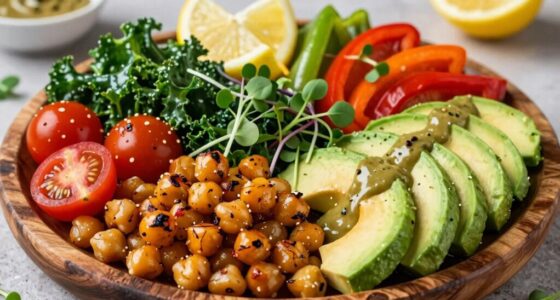
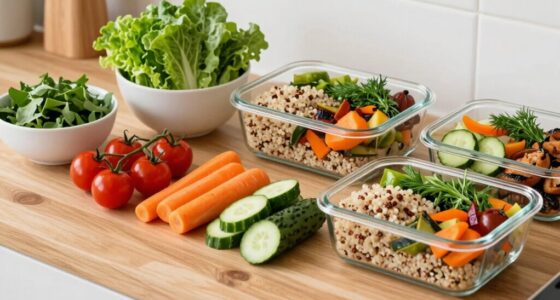
Incorporating seaweed into your meal prep is simple and eco-friendly. You can prepare dried or soaked varieties, add chopped nori to rice bowls, mix wakame into soups, or blend seaweed powder into smoothies for an easy nutrient boost. Store it properly in a cool, dry place to keep it fresh and maximize flavor. By choosing sustainable sources, you’ll support ocean conservation and enjoy healthy, versatile meals—keep exploring to discover even more ways to incorporate this oceanic superfood.

Get kitchen staples and gadgets delivered free with Prime
- Fast, free delivery on millions of items
- Prime Video, Amazon Music and more included
- Member-only deals all year
Key Takeaways
- Prepare different types of seaweed (like nori, wakame, kelp) through drying or soaking for quick meal assembly.
- Add chopped nori or seaweed flakes to rice bowls, salads, or wraps for flavor and nutritional boost.
- Use soaked or cooked wakame in soups and broths to enhance umami taste and nutrient content.
- Incorporate seaweed powders into smoothies or sauces for an easy, nutrient-dense addition.
- Store dried or pre-soaked seaweed in a cool, dry place to ensure freshness and streamline meal prep.
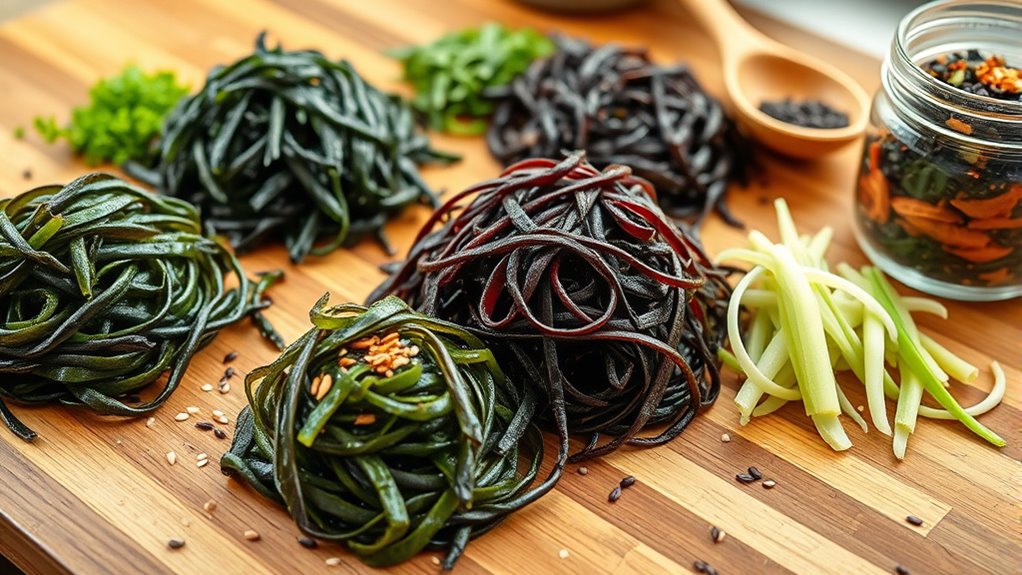
Seaweed meal prep is an easy and nutritious way to incorporate oceanic superfoods into your diet. These versatile sea vegetables are packed with nutritional benefits that support your overall health. From iodine and calcium to vitamins A, C, and K, seaweed provides essential nutrients your body needs to function at its best. By preparing seaweed in advance, you ensure quick, healthy additions to your meals, whether you’re making salads, smoothies, or snacks. It’s a simple step that can greatly boost your nutrient intake without much effort. Plus, with the increasing importance of sustainable sourcing, many suppliers now prioritize eco-friendly harvesting methods. This means you can enjoy the health benefits of seaweed while supporting ocean conservation efforts. When you choose seaweed from responsible sources, you help maintain healthy marine ecosystems and ensure that these oceanic treasures remain abundant for future generations. Incorporating seaweed into your meal prep routines not only offers nutritional perks but also aligns with environmentally conscious choices. Additionally, understanding the nutritional value of seaweed can help you make informed choices about your diet and maximize its health benefits.
Meal prepping your seaweed can be straightforward. Start by drying or soaking it, depending on the variety, to make it ready for cooking or blending. You can add chopped nori to rice bowls or use wakame in soups for a savory flavor boost. Incorporating seaweed into your salads is another effortless way to enjoy its nutritional benefits. If you’re into smoothies, blending a small amount of seaweed powder provides a nutrient-rich twist without overpowering the taste. Preparing seaweed in bulk saves you time during busy weekdays, making it easier to stick to healthy eating habits. The key is to keep it stored properly—sealed and in a cool, dry place—to preserve its freshness and nutritional value. When shopping, look for brands that emphasize sustainable sourcing, as this ensures your consumption supports environmentally friendly practices.
As an affiliate, we earn on qualifying purchases.
Frequently Asked Questions
Are Seaweed Vegetables Safe for All Ages?
Seaweed vegetables are generally safe for most ages, offering nutritional benefits like iodine, fiber, and vitamins. However, you should consider allergy considerations, especially for those with seafood allergies, as seaweed can cause reactions. Always start with small amounts and consult a healthcare provider if you have concerns or specific health conditions. Kids and seniors can enjoy seaweed, but moderation and awareness are key to ensuring safety.
How Long Can Prepared Seaweed Meals Be Stored?
Like a delicate bloom in a garden, your prepared seaweed meals need careful tending. You can store them in the refrigerator safely for up to 3-4 days. After that, the quality declines and bacteria can take hold. Always check for any off smells or sliminess before eating, and make sure your storage containers are airtight. Proper storage duration keeps your seaweed fresh and safe to enjoy.
Can Seaweed Meals Be Made Vegan-Friendly?
Yes, you can make seaweed meals vegan-friendly by using plant-based alternatives and vegan seasoning options. Swap any animal-derived ingredients with tofu, tempeh, or vegetables, and enhance flavors with soy sauce, miso, or nutritional yeast. You can also add herbs and spices to boost taste. This way, your seaweed meals stay delicious, nutritious, and aligned with a vegan lifestyle.
What Are the Best Seasoning Options for Seaweed Dishes?
Think of seasoning options for seaweed dishes as the brushstrokes to an ocean masterpiece. You should try soy sauce or miso for savory depth, sesame oil for richness, and rice vinegar for a tangy kick. Ginger, garlic, and red pepper flakes add zest, while seaweed’s natural umami pairs beautifully with these flavor enhancements. Experiment with seasoning pairings to highlight the seaweed’s unique taste and create a balanced, delicious dish.
How Do I Select the Freshest Seaweed for Meal Prep?
To select the freshest seaweed, look for vibrant color and a firm, moist texture. Use proper harvesting techniques by choosing seaweed harvested sustainably and away from pollution. Check for a clean, ocean-like smell and avoid slimy or discolored pieces. Store your seaweed in an airtight container in the refrigerator, and keep it moist with a damp cloth. Follow these storage tips to maintain freshness and flavor for your meal prep.
Conclusion
By incorporating seaweed into your meal prep, you’re not just adding flavor—you’re nourishing your body with a treasure trove of nutrients. Think of seaweed as nature’s secret weapon, silently boosting your health and elevating your dishes. So, why not embrace this oceanic wonder and let it transform your meals? Plunge into today, and discover how seaweed can turn everyday dishes into extraordinary, health-boosting delights—because your body deserves the best from the sea.
Halloween Picks
halloween
As an affiliate, we earn on qualifying purchases.