
In fermented foods, “live cultures” are active, beneficial microbes like bacteria and yeasts that survive during fermentation and remain alive until you eat them. These microorganisms help support your gut health, boost your immune system, and improve digestion. Proper fermentation techniques and storage, like refrigeration, guarantee these microbes stay viable and effective. Understanding how these cultures develop and survive can help you choose foods that truly promote health. If you want to learn more, there’s plenty to discover about fermentation and its benefits.

Get kitchen staples and gadgets delivered free — and shop member deals
- Fast, free delivery on millions of items
- Access to Prime Big Deal Days deals on October 6–7
- Prime Video, Amazon Music and more included
Key Takeaways
- “Live cultures” refer to beneficial bacteria and yeasts remaining active in fermented foods, offering probiotic health benefits.
- Proper fermentation techniques and conditions ensure beneficial microbes survive and develop in the final product.
- Storage methods like refrigeration help preserve the viability of live cultures until consumption.
- Foods labeled “live and active cultures” are more likely to provide gut health benefits through probiotic bacteria.
- Consuming fermented foods with live cultures supports gut microbiome balance, digestion, and immune health.
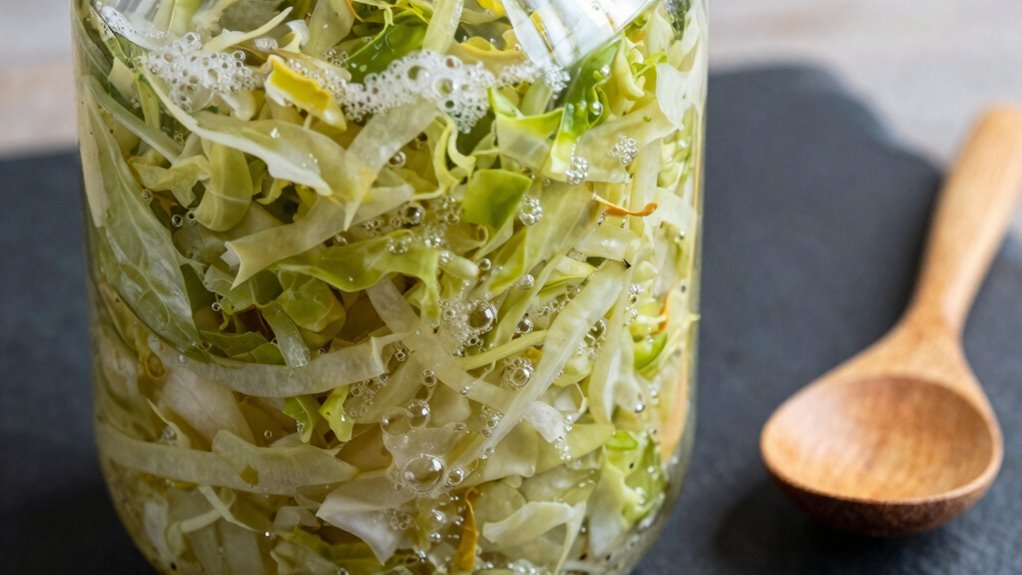
Fermented foods have gained popularity for their unique flavors and potential health benefits. When you hear the term “live cultures,” it’s often associated with these foods, but what does it really mean? Fundamentally, live cultures refer to the beneficial microorganisms—like bacteria and yeasts—that remain active within the food even after fermentation. These microorganisms are what give fermented foods their distinctive taste and, more importantly, their probiotic benefits. Consuming foods rich in live cultures can support your gut health, boost your immune system, and improve digestion. But understanding how these organisms survive and thrive during fermentation is key to appreciating their benefits.
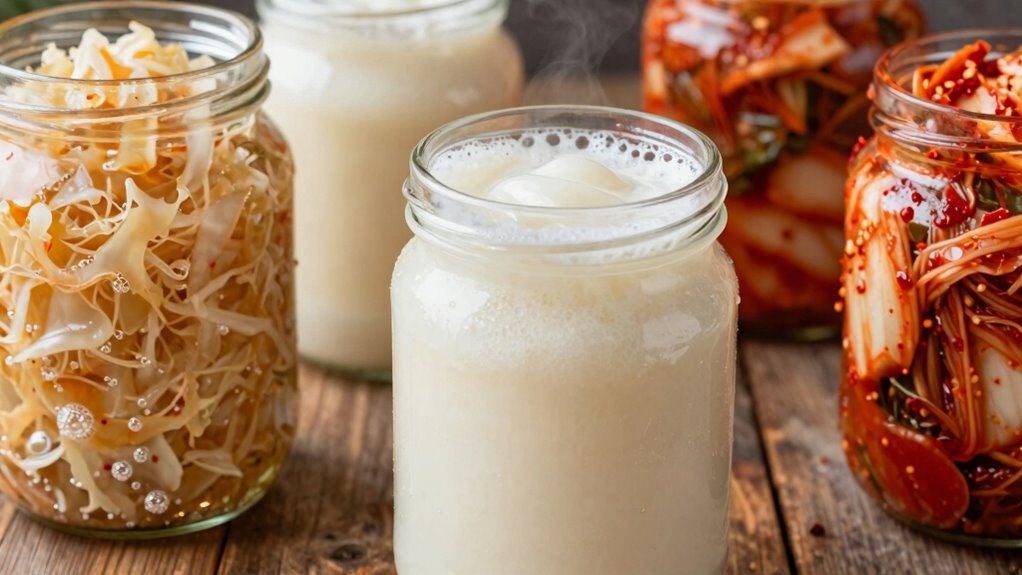
Fermentation techniques are the methods used to cultivate and maintain these beneficial microbes. The process typically involves adding a starter culture or relying on naturally occurring bacteria and yeasts present in the environment or ingredients. For example, when you make yogurt, you introduce specific bacterial strains that ferment milk into a tangy, creamy product filled with probiotics. Similarly, sauerkraut is made by fermenting shredded cabbage with naturally occurring lactic acid bacteria, which preserve the vegetables and enhance their nutritional profile. The key to successful fermentation is creating the right conditions—temperature, pH, and time—that allow these microbes to multiply and produce the characteristic flavors and textures. Proper fermentation techniques ensure these beneficial microbes survive until consumption, making the foods more effective for health benefits. Maintaining optimal fermentation conditions is crucial for maximizing the survival of these beneficial organisms. Additionally, understanding microbial survival during fermentation helps ensure the probiotic qualities of the food are preserved.
The probiotic benefits of fermented foods hinge on the survival of these live cultures through the digestive process. When you consume properly fermented foods, you introduce a diverse community of beneficial bacteria into your gut. These microorganisms can help restore balance to your microbiome, improve nutrient absorption, and even reduce inflammation. Not all fermented foods are created equal, though. The level of live cultures can vary depending on the fermentation techniques used and how the food is stored afterward. The storage conditions—like refrigeration—are vital to maintaining the viability of the microbes until consumption. For instance, pasteurizing a product after fermentation kills off the live cultures, eliminating its probiotic benefits.
If you want to maximize the probiotic benefits, look for foods labeled as containing “live and active cultures.” The best fermented foods retain their live microbes until consumed, so proper storage—like refrigeration—is vital. Understanding the fermentation techniques behind these foods helps you choose products that truly support your gut health. Whether you’re making your own at home or buying from a store, knowing how these beneficial microbes develop and survive allows you to enjoy their full health potential. In the end, “live cultures” aren’t just a marketing term—they’re a proof of the vibrant, health-boosting microorganisms that make fermented foods a valuable part of your diet. Recognizing the beneficial microorganisms involved can help you make more informed choices about your fermented food consumption.
probiotic yogurt with live cultures
As an affiliate, we earn on qualifying purchases.
As an affiliate, we earn on qualifying purchases.
Frequently Asked Questions
Are All Fermented Foods Naturally Probiotic?
Not all fermented foods are naturally probiotic. While many, like yogurt and kefir, contain diverse live cultures, others may lack significant probiotic diversity depending on fermentation methods used. Some fermented foods undergo processes that reduce or eliminate live cultures, so it’s vital to verify labels or preparation methods. To guarantee probiotic benefits, choose foods explicitly made through traditional fermentation that promote diverse beneficial bacteria.
How Long Do Fermented Foods Stay Fresh?
Imagine your fermented foods outlasting your favorite snacks—ironic, right? Typically, they stay fresh for about 1 to 3 months, depending on the type. To maximize shelf life, store them in airtight containers in the fridge, keeping them away from direct sunlight and temperature fluctuations. Proper storage tips guarantee your probiotic-rich foods remain delicious and safe to enjoy, even if you forget about them for a little while.
Can Fermented Foods Be Made at Home Safely?
Yes, you can make fermented foods safely at home by following proper safety precautions. Guarantee cleanliness by thoroughly washing your hands and equipment, maintain correct fermentation temperatures, and use trusted recipes. Keep an eye out for signs of spoilage, like mold or foul odors, and discard questionable batches. With careful attention to cleanliness and proper procedures, home fermentation is a safe and rewarding way to enjoy fresh, probiotic-rich foods.
Do Fermented Foods Contain Alcohol?
Fermented foods can contain small amounts of alcohol due to the fermentation process, where yeasts convert sugars into alcohol and carbon dioxide. The flavor profiles of these foods often include a slight tang or bite from this process. While most commercial products have minimal alcohol levels, homemade ferments might have a bit more, so if you’re sensitive or avoiding alcohol, check labels or prepare them carefully.
Are Fermented Foods Suitable for People With Allergies?
Imagine a fermented food buffet with a sign saying “Allergy-Friendly!” but lurking behind the scenes are hidden allergen risks. If you have allergies, these foods might still cause trouble due to allergy cross reactivity or hidden ingredients. It’s like inviting a wolf to a sheep party—best to check labels, consult your doctor, and proceed cautiously, because not all fermented foods are safe for allergy sufferers.
Conclusion
Think of fermented foods as living stories, each one a proof of transformation and resilience. As you embrace these vibrant foods, you’re not just nourishing your body but connecting with ancient traditions that have endured through time. They symbolize renewal—turning humble ingredients into health-boosting treasures. So next time you enjoy that tangy probiotic yogurt or crunchy kimchi, remember: you’re partaking in a timeless dance of life, where every bite embodies growth, balance, and energy.
Fall Picks
fall essentials
As an affiliate, we earn on qualifying purchases.