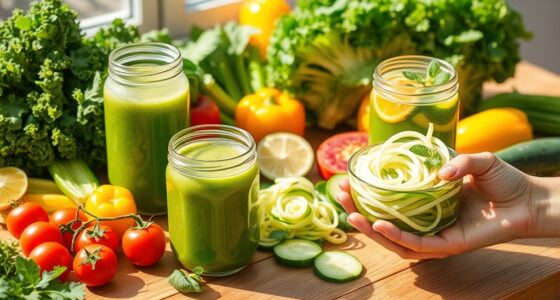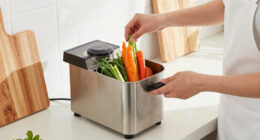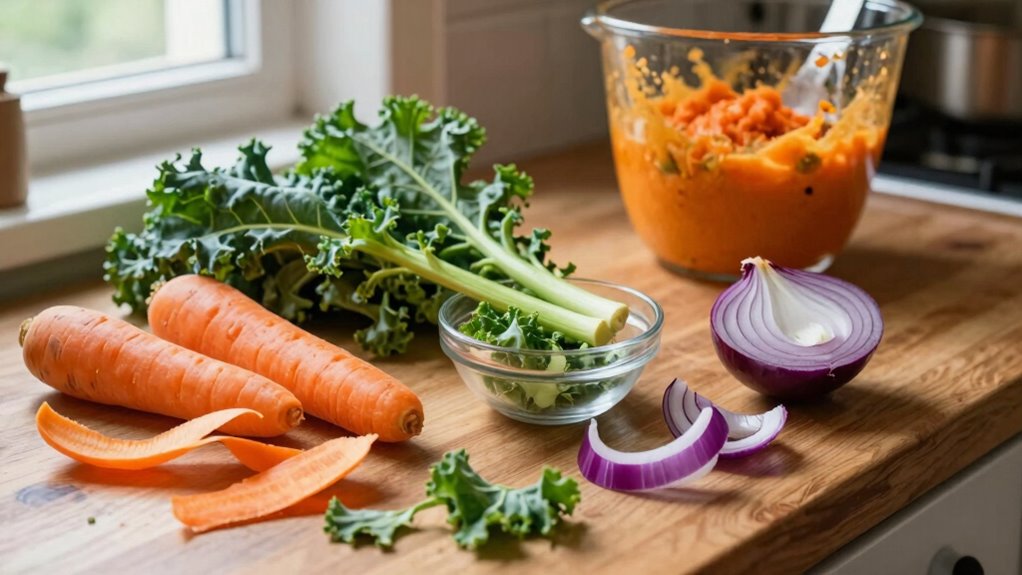

You can cut waste in raw meal prep by transforming vegetable scraps and pulp into tasty, probiotic-rich foods through simple fermentation techniques. Store scraps properly to extend their freshness and incorporate them into meals like crackers or patties. Use fermentation to create flavorful condiments like kimchi or vinegar, and preserve leftover ingredients to maximize their lifespan. By experimenting with these methods, you’ll reduce waste and make your meals more sustainable—discover more ways to make the most of every ingredient.

Get kitchen staples and gadgets delivered free with Prime
- Fast, free delivery on millions of items
- Prime Video, Amazon Music and more included
- Member-only deals all year
Key Takeaways
- Incorporate vegetable scraps and pulp into raw dishes like patties, crackers, or salads to maximize resource use.
- Use fermentation techniques to transform scraps into flavorful, probiotic-rich condiments and extend their shelf life.
- Store scraps properly in airtight containers to maintain freshness and prevent spoilage during meal prep.
- Convert fruit peels into vinegar or use vegetable pulp in fermentation for added flavor and preservation.
- Combine preservation methods like fermentation and refrigeration to efficiently utilize scraps and minimize waste.
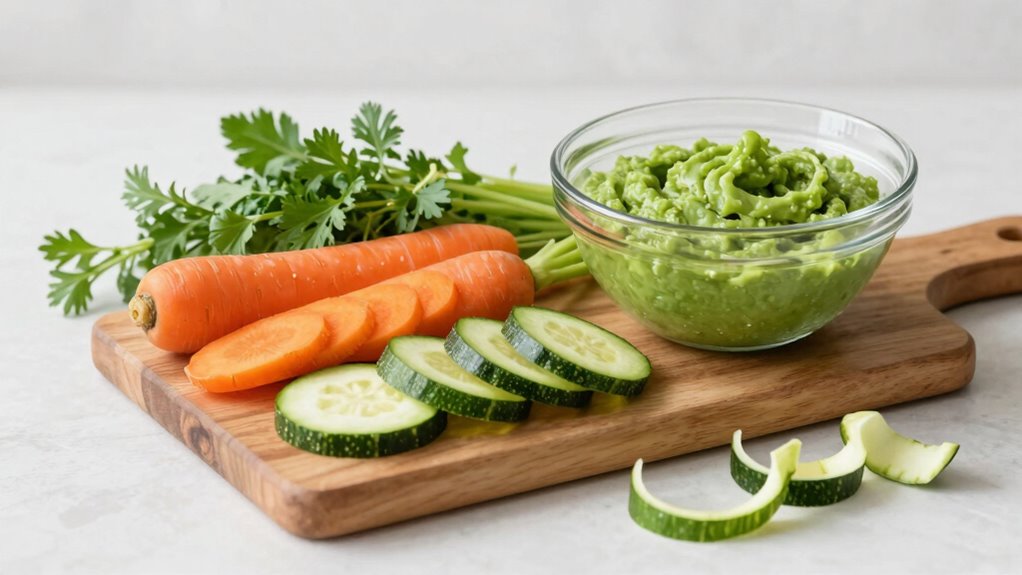
Preparing raw meals can be simple and sustainable if you plan carefully to avoid waste. One effective way to do this is by making the most of scraps and pulp that often go unused. When you use fermentation techniques, you can transform vegetable scraps into probiotic-rich condiments or side dishes, extending their shelf life and adding depth to your meals. For example, carrot tops or cabbage leaves can be fermented into flavorful kimchi or kraut, reducing waste and boosting nutrition. This approach not only minimizes waste but also introduces beneficial bacteria into your diet.
To support this, proper ingredient storage methods become essential. Keep your scraps fresh by storing them in airtight containers or sealed bags in the fridge, which prevents spoilage and keeps ingredients ready for fermentation or reuse. By organizing your scraps this way, you’ll find it easier to plan meals ahead, ensuring nothing goes to waste. Plus, understanding how to store your ingredients properly helps maintain their quality, so they’re still usable when you’re ready to incorporate them into your raw meals. Additionally, storage methods are crucial for maintaining ingredient freshness and preventing spoilage during extended use. Incorporating appropriate food preservation techniques can further extend the usability of your ingredients and reduce waste.
You can also repurpose pulp from juicing or blending into new dishes. For instance, leftover pulp from vegetable juice can be added to raw veggie patties or used as a base for raw crackers. This minimizes the waste that often accumulates from juice-making, turning what seems like discard into a useful ingredient. When you incorporate these scraps into your meal prep, you’re practicing sustainability without sacrificing flavor or nutrition. It’s a smart way to stretch your ingredients further while reducing your environmental footprint. Additionally, utilizing food scraps helps you minimize waste and maximize resourcefulness in your kitchen.
Furthermore, understanding fermentation techniques allows you to turn scraps into new, tasty foods. For example, turning fruit peels into vinegar or using vegetable pulp in lacto-fermentation creates a variety of flavorful additions to your raw meals. These fermentation methods are simple once you get the hang of them, and they can be a fun way to experiment with flavors while preventing waste. Proper ingredient storage methods support fermentation by keeping your scraps at the right temperature and humidity levels, ensuring successful results each time.
In addition, mastering food preservation techniques can help you extend the usability of scraps and pulp, making your raw meal prep even more efficient. In the end, making raw meal prep without waste is about being resourceful and knowing how to handle your ingredients wisely. By mastering fermentation techniques and storage methods, you turn scraps into valuable components of your meals, reducing waste and enriching your diet. With a little planning, you can enjoy fresh, nutritious raw foods while staying environmentally conscious, proving that sustainable eating is both practical and rewarding.
fermentation starter kit for vegetables
As an affiliate, we earn on qualifying purchases.
As an affiliate, we earn on qualifying purchases.
Frequently Asked Questions
How Long Can I Store Scraps and Pulp Safely?
You can store scraps and pulp safely for about 2 to 3 days in the refrigerator using proper storage techniques. Make certain to keep them in airtight containers to prevent spoilage and odors. For longer shelf life, consider freezing them, which extends freshness up to 3 months. Always check for signs of spoilage, like sour smell or mold, before using stored scraps or pulp to guarantee safety and quality.
What Are Creative Ways to Use Vegetable Peels?
Did you know that vegetable peels can make up to 30% of kitchen waste? You can use peels for flavor enhancement and texture variation in your dishes. For example, lemon or cucumber peels add zest, while carrot or beet peels bring earthiness. Try roasting peels for crispy snacks or blending them into smoothies for added fiber. These creative uses reduce waste and boost flavor, making your meals more sustainable and tasty.
Can Fruit Seeds Be Included in Raw Meal Prep?
Yes, you can include fruit seeds in your raw meal prep. Fruit seed benefits include added fiber, healthy fats, and nutrients like antioxidants. When including seeds, follow seed inclusion tips such as grinding larger seeds like watermelon or pumpkin to improve digestibility and mixing evenly. Start with small amounts to see how your body reacts, and always guarantee the seeds are clean and fresh for maximum health benefits.
Are There Any Safety Concerns With Using Scraps?
Irony strikes again—saving scraps for waste reduction might seem eco-friendly, but safety should come first. Yes, there are food safety concerns with using scraps, especially if they’re not thoroughly cleaned or come from questionable sources. Always wash thoroughly and avoid scraps that spoil easily or harbor bacteria. By prioritizing safety, you can enjoy waste reduction without risking your health, turning scraps into sustainable, safe meals.
How Do I Balance Nutrition When Using Scraps?
To balance nutrition when using scraps, focus on maximizing ingredient variety to guarantee you get a broad spectrum of nutrients. Incorporate different fruits, vegetables, and grains, and use nutrient-dense scraps like leafy greens and seeds. Pay attention to the nutritional value of each ingredient, and combine them thoughtfully to create a well-rounded, healthy meal. This approach helps you maintain a balanced diet even with resourceful, waste-reducing meal prep.
Conclusion
By turning scraps and pulp into tasty, nutritious meals, you can cut food waste by up to 30%. Not only does this save money, but it also helps protect the environment. Every time you use leftovers creatively, you’re making a difference. So, next time you’re prepping, think twice before tossing those scraps. With just a little effort, you can enjoy fresh, waste-free meals that nourish your body and the planet.
NFL season / tailgating Picks
team gear
As an affiliate, we earn on qualifying purchases.