
Choosing vegan cooking oils depends on what you cook and your health and eco goals. Use extra virgin olive oil for salads and sautéing to get heart-healthy fats and antioxidants. For high-heat cooking, options like avocado or refined coconut oil work well due to their higher smoke points. Incorporate flaxseed oil into smoothies or drizzles for omega-3s, and opt for sustainably sourced oils. Stay tuned to discover how to pick the best oils that suit your lifestyle and values.

Get kitchen staples and gadgets delivered free with Prime
- Fast, free delivery on millions of items
- Prime Video, Amazon Music and more included
- Member-only deals all year
Key Takeaways
- Use extra virgin olive oil for salads and sautéing due to its heart-healthy monounsaturated fats.
- Incorporate flaxseed oil in smoothies or as a drizzle for plant-based omega-3 benefits.
- Choose avocado or refined coconut oil for high-temperature cooking because of their higher smoke points.
- Opt for sustainably sourced oils like RSPO-certified palm or cold-pressed options to reduce environmental impact.
- Balance nutritional and eco considerations when selecting oils, aligning with health goals and sustainability values.
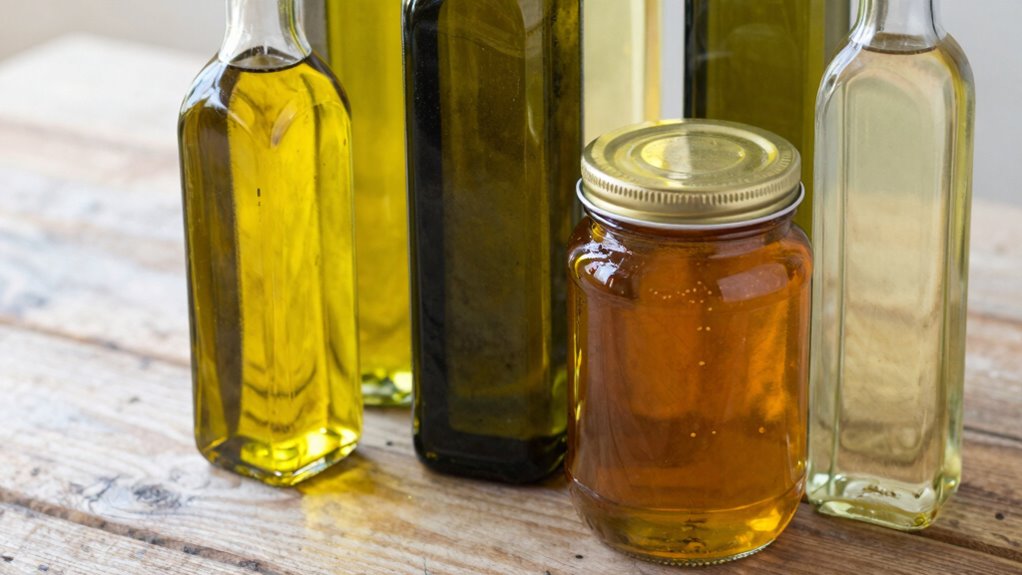
Vegan cooking oils offer a versatile and healthy way to prepare your favorite dishes without compromising your plant-based lifestyle. Choosing the right oil isn’t just about flavor or cooking method; it also involves understanding the nutritional benefits and environmental impact of each option. Different oils provide unique health advantages, so selecting the right one can enhance your diet and support sustainability efforts.
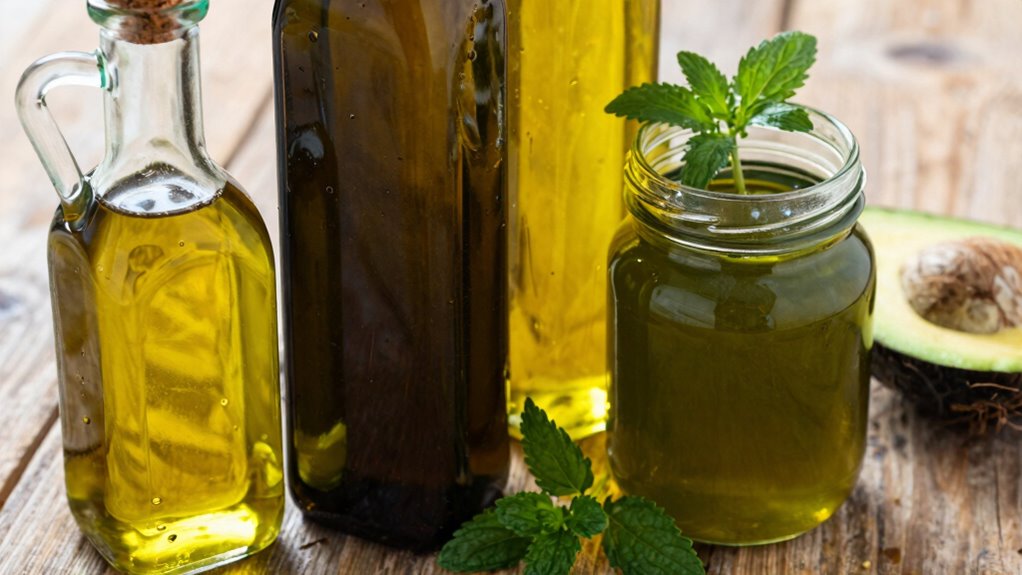
When considering nutritional benefits, you want oils that are rich in healthy fats, antioxidants, and essential nutrients. For example, extra virgin olive oil is known for its high monounsaturated fat content, which can help improve heart health. It also contains antioxidants like polyphenols that may reduce inflammation. Coconut oil, on the other hand, is high in saturated fats, but the medium-chain triglycerides (MCTs) it contains are quickly absorbed and used for energy. While it’s popular in vegan baking and stir-fries, moderation is key. Flaxseed oil offers a plant-based source of omega-3 fatty acids, which are vital for brain health and reducing inflammation. Incorporating a variety of these oils into your diet can help guarantee you get a broad spectrum of nutrients. Additionally, responsible farming practices play a significant role in ensuring the sustainability of these oils. Being aware of environmental impact can guide you to make more eco-conscious choices when selecting your oils.
Environmental impact is another essential factor when selecting vegan cooking oils. Some oils, like palm oil, have a reputation for causing deforestation, habitat destruction, and high carbon emissions due to unsustainable farming practices. Choosing sustainably sourced oils, such as those labeled as RSPO-certified (Roundtable on Sustainable Palm Oil), helps mitigate these issues. Conversely, oils like sunflower, canola, and avocado are generally more environmentally friendly when produced responsibly. Cold-pressed oils tend to retain more nutrients and often require less processing, which means fewer environmental pollutants are released during production. By prioritizing oils with sustainable certifications and eco-friendly production methods, you can enjoy your meals while minimizing your ecological footprint. Sustainable sourcing is a crucial aspect of responsible consumption in the context of vegan cooking oils.
Ultimately, your choice of vegan cooking oil should align with your health goals and environmental values. You might opt for extra virgin olive oil for salads and sautéing due to its heart-healthy fats and antioxidants, while using flaxseed oil in smoothies or drizzled over dishes for an omega-3 boost. When cooking at high temperatures, consider oils with higher smoke points like avocado or refined coconut oil, but always be mindful of their environmental and nutritional implications. By making informed decisions, you not only nourish your body but also contribute to a more sustainable planet. Your selections can support your well-being and help foster a healthier environment, making vegan cooking oils a vital part of your lifestyle.
extra virgin olive oil for salads
As an affiliate, we earn on qualifying purchases.
As an affiliate, we earn on qualifying purchases.
Frequently Asked Questions
Are Vegan Oils Suitable for High-Heat Cooking?
Yes, vegan oils can be suitable for high-heat cooking if you choose ones with a high smoke point, like avocado or refined coconut oil. These oils withstand higher temperatures without burning, preserving their nutritional benefits. Always check the smoke point before cooking to avoid damaging nutrients and producing harmful compounds. Choosing the right oil guarantees your dishes stay flavorful, healthy, and cooked safely at higher temperatures.
How Do Vegan Oils Affect Flavor Compared to Animal Fats?
Think of vegan oils as a painter’s palette—each adds a unique splash of flavor to your dish. Unlike animal fats, which often bring a rich, savory depth, vegan oils tend to have a subtler, more neutral flavor profile, letting other ingredients shine. This makes them highly versatile in the kitchen, perfect for baking, sautéing, or drizzling, giving you culinary versatility without overpowering your creations.
Can Vegan Oils Be Used in Baking Recipes?
Yes, you can definitely use vegan oil varieties in baking recipes. They work well as baking oil substitutes, providing moisture and richness without animal fats. Popular options like coconut oil, avocado oil, and olive oil add flavor and texture, depending on your recipe. Just keep in mind their unique properties—coconut oil’s solidity, for instance—and adjust quantities if needed to get the best results in your baked goods.
Are All Vegan Oils Organic and Non-Gmo?
Not all vegan oils are organic and non-GMO. Vegan oil varieties vary in sourcing; some are certified organic, ensuring they’re grown without synthetic pesticides or GMOs, while others aren’t. When shopping, look for organic certification labels to confirm the oil is free from genetically modified ingredients and chemicals. By choosing certified organic vegan oils, you support healthier choices for your recipes and the environment.
How Long Do Vegan Cooking Oils Last Before Spoiling?
Vegan cooking oils can last for months if stored properly. Typically, their shelf life ranges from 6 months to a year, but this varies by type. To keep them fresh longer, follow storage tips like keeping oils in a cool, dark place and sealing the bottles tightly. Proper storage protects oils from oxidation and spoilage, ensuring they stay flavorful and safe for your culinary adventures.
Conclusion
Choosing the right vegan cooking oil is like selecting the perfect brush for your culinary masterpiece—each one adds its unique hue and texture. When you match your oil to your dish’s needs, you’re not just cooking; you’re painting a flavorful story on your plate. So, trust your instincts, embrace the variety, and let each drop transform your meals into vibrant, nourishing works of art. Your kitchen is your canvas—make every splash count.
Halloween Picks
halloween
As an affiliate, we earn on qualifying purchases.