
TL;DR
Virginia’s health department has documented 55 patients in a Salmonella Telelkebir outbreak across 19 states, while the CDC’s Oct. 19 count listed 27 patients in 12 states. Investigators linked the outbreak to oysters harvested by Little Wicomico Oyster Company; the reason for the difference between the counts has not been explained.
Virginia’s health department has documented 55 patients in a multistate Salmonella Telelkebir outbreak linked to oysters, more than the 27 illnesses in the CDC’s count reported Oct. 19. The state agency says cases span 19 states, while the CDC count covers 12, a difference that leaves the outbreak’s full reported scale uncertain.

Get kitchen staples and gadgets delivered free with Prime
- Fast, free delivery on millions of items
- Prime Video, Amazon Music and more included
- Member-only deals all year
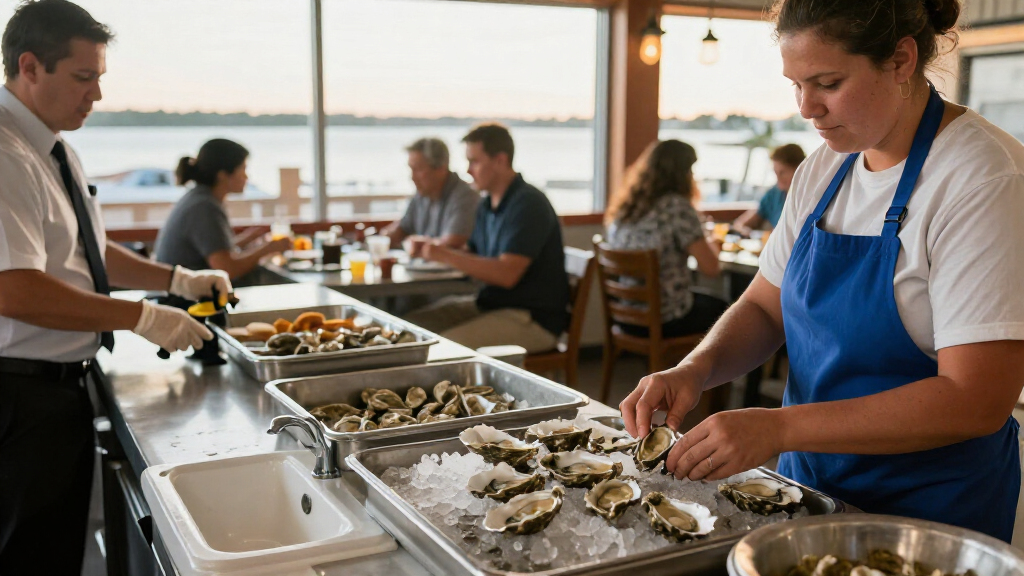
The outbreak has been linked to oysters harvested by Little Wicomico Oyster Company from the Little Wicomico River in Virginia. The FDA’s recall notice and the CDC’s outbreak report listed 27 patients across 12 states. The CDC said five people had been hospitalized. Virginia’s count includes illnesses with onset dates from late May through Oct. 6.
For the 27 cases in the CDC count, 10 patients reported eating raw oysters. Investigators had oyster tags and traceback records for seven patients. Two of those seven ate oysters from one Virginia source, while five reported oysters from multiple sources. The company’s Little Wicomico River oysters were the only oysters common to the seven traceback records, according to the report.
The recall covers oysters harvested from Sept. 18 through Oct. 8. The CDC’s 27 reported patients had eaten oysters harvested before that recall period, and Virginia’s latest reported illness onset was Oct. 6. Georgia’s Department of Agriculture said Publix sold the recalled oysters under the name “James River Oysters” through Oct. 14, five days after the recall. The supplied report does not say how many recalled oysters were sold or whether any illnesses were tied to purchases after the recall.
Why the Counts Differ
The difference between the state and federal totals matters because outbreak counts guide public understanding of how widely an illness has spread and whether new cases are still being identified. Virginia reports 28 more patients than the CDC’s Oct. 19 total, and its count covers more states. The available information does not explain whether the agencies use different reporting cutoffs, case definitions, or verification processes, so the two figures should not be treated as directly reconciled totals.
The outbreak also highlights the practical limits of case counts. The report notes that some people with Salmonella infections do not seek medical care, and others are not tested. The CDC estimates that for each confirmed Salmonella patient, 29 may go undetected. That estimate is a general measure cited by the report, not a calculation of the actual number of people sickened in this oyster outbreak.
For consumers and retailers, the recall dates and product names offer actionable information, but the reported sale of recalled oysters after the recall date raises questions about how quickly products were removed from sale. Consumers who may have purchased the named oysters should follow public health and recall instructions and avoid eating recalled product.
Products Worth Considering

Ninja Woodfire ProConnect Premium XL BBQ Grill, 7-in-1, App Enabled, Blue

Vitamix VX1 Professional-Grade Blender, 64 oz, Black

Vitamix Touch & Go Advance 32-Ounce Bar Blender, White
As an affiliate, we earn on qualifying purchases.
Recall and Traceback Timeline
The CDC counted 27 illnesses in a report dated Oct. 19, and the FDA reported the same number in its recall notice. Virginia’s health department documented a wider tally: 55 patients across 19 states, with illness onset dates extending from late May to Oct. 6. The source report, published Oct. 22, does not provide a date for Virginia’s case-count update beyond its description of the current tally.
Investigators used oyster tags and traceback records to examine what the seven patients with available records had eaten. The company’s oysters were the only product common to those seven records, supporting the link cited in the recall and outbreak reporting. That finding concerns the traceback group; the supplied material does not provide individual exposure details for all 55 patients in Virginia’s count.
Laboratory confirmation can lag behind illness. The CDC says it can take three to four weeks for a stool culture to become a sequenced isolate that can be matched to an outbreak and included in its count. That delay may affect when cases appear in public totals, although the source does not say it accounts for the full gap between the Virginia and CDC figures.
“The department has documented 55 patients across 19 states.”
— Virginia Department of Health, as reported by Food Safety News
Questions About Case Totals
The source report does not explain why Virginia’s count is 55 while the CDC’s is 27, or whether the agencies are using the same reporting cutoff and criteria. It also does not provide a state-by-state breakdown of Virginia’s cases, the ages of patients, or how many of the 55 were hospitalized. The CDC’s five hospitalizations refer to its 27 reported patients.
The outbreak’s full reach remains unknown. Some infections may not be diagnosed or matched to the outbreak, and sequencing can take several weeks. The report also does not state whether any illnesses were linked to oysters sold after the recall began, or whether the reported post-recall sales led to additional cases. The source attributes the outbreak link to the company’s oysters but does not include a direct statement from the company.
Case Tracking and Recall Follow-Up
Health officials may update their totals as additional patients are tested and laboratory results are matched to the outbreak. The next useful developments would include a refreshed CDC count, any explanation of how Virginia’s 55-patient tally compares with the federal case definition, and further information on patient locations and illness onset dates.
Retailers and public health agencies can also clarify whether the recalled oysters were removed from sale and whether any product remained available after the recall. Consumers should check official recall notices for the affected harvest dates and product identification, and should not eat oysters covered by the recall. The supplied report does not give a date for a further update or say that investigators have announced a final case count.
Key Questions
How many people are reported sick in the oyster-linked outbreak?
Virginia reports 55 patients across 19 states. The CDC’s Oct. 19 report listed 27 patients across 12 states. The supplied information does not explain the difference between the counts.
Which oysters were linked to the outbreak?
The outbreak was linked to oysters harvested by Little Wicomico Oyster Company from Virginia’s Little Wicomico River. Georgia’s Department of Agriculture said Publix sold recalled oysters under the name “James River Oysters.”
What dates does the oyster recall cover?
The recall covers oysters harvested from Sept. 18 through Oct. 8. The CDC reported that its 27 patients had eaten oysters harvested before that window. Follow the official recall notice for product details and handling instructions.
How many patients were hospitalized?
The CDC reported five hospitalizations among the 27 patients in its count. The source does not provide a hospitalization total for all 55 patients reported by Virginia.
Why might the actual number of illnesses be higher?
Some people do not seek medical care or are not tested, and lab sequencing can take three to four weeks. The CDC’s estimate that 29 infections may go undetected for each confirmed Salmonella patient is a general estimate, not a measured total for this outbreak.
Source: rss