In 2025, you’ll see pulses, seaweed, and ancient grains leading your sustainable and nutritious diet. Pulses like lentils and chickpeas boost your protein intake while helping the environment with less pollution. Seaweed offers essential minerals and flavors, supporting ocean-friendly farming. Ancient grains such as quinoa and millet add cultural richness and nutrition, all while promoting soil health. Stick around to discover how these superfoods can transform your eating habits and help protect the planet.
Key Takeaways
- Pulses, seaweed, and ancient grains are predicted to lead 2025 superfood trends due to their nutritional benefits and sustainability.
- These superfoods support environmentally friendly farming, reducing pollution, greenhouse gases, and conserving soil health.
- Incorporating traditional recipes with these ingredients promotes cultural heritage and enhances dietary diversity.
- They offer rich sources of fiber, vitamins, minerals, and umami flavor, aligning health and taste in modern diets.
- Emphasizing these superfoods encourages mindful consumption that benefits both personal health and planetary well-being.
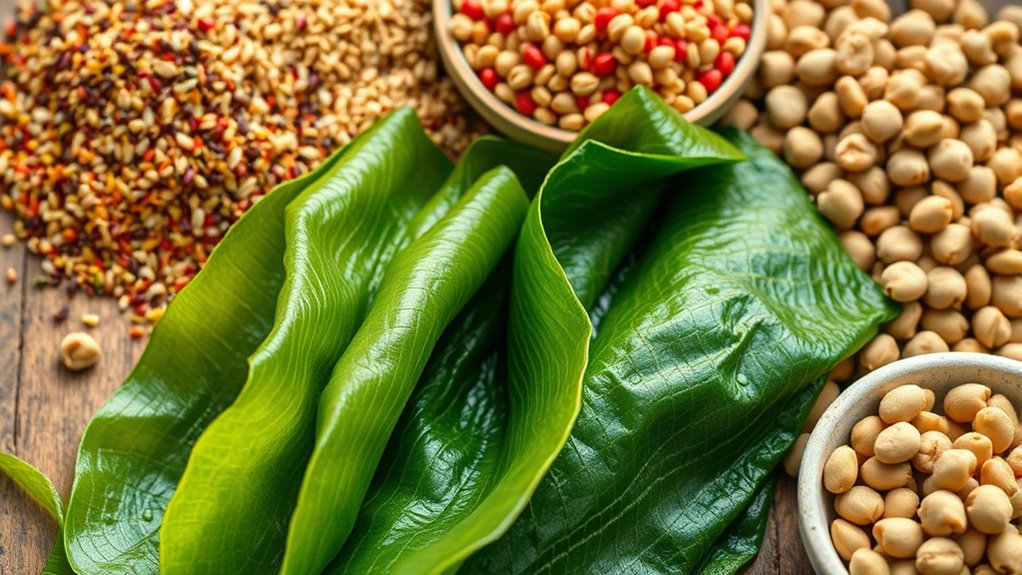
What superfoods will dominate 2025? As the world becomes more conscious of health, environmental impact, and cultural heritage, certain foods are poised to take center stage. Pulses, seaweed, and ancient grains aren’t just trendy; they’re rooted in sustainable farming practices and traditional recipes that have stood the test of time. These superfoods offer a powerful combination of nutrition and environmental benefits, making them attractive choices for health-conscious consumers like you who want to make a positive impact.
Discover how pulses, seaweed, and ancient grains are shaping sustainable, nutrient-rich diets for 2025 and beyond.
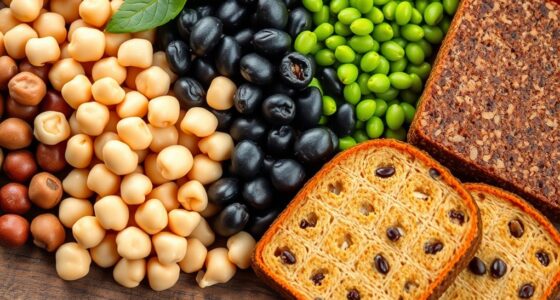
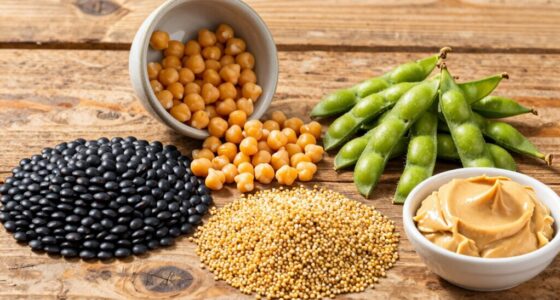
Pulses, which include lentils, chickpeas, beans, and peas, will continue to rise in popularity. They’re incredibly versatile, fitting seamlessly into various cuisines and traditional recipes from around the world. What makes pulses especially appealing is their role in sustainable farming. They naturally fix nitrogen in the soil, reducing the need for synthetic fertilizers, which cuts down on pollution and greenhouse gas emissions. Incorporating pulses into your diet not only boosts your nutritional intake—rich in fiber, protein, vitamins, and minerals—but also supports eco-friendly farming methods. By choosing pulse-based dishes, you’re embracing a food source that’s both nourishing and environmentally responsible, echoing the resurgence of traditional recipes that emphasize plant-based ingredients. Additionally, their hearty texture makes them a satisfying addition to many comfort foods.
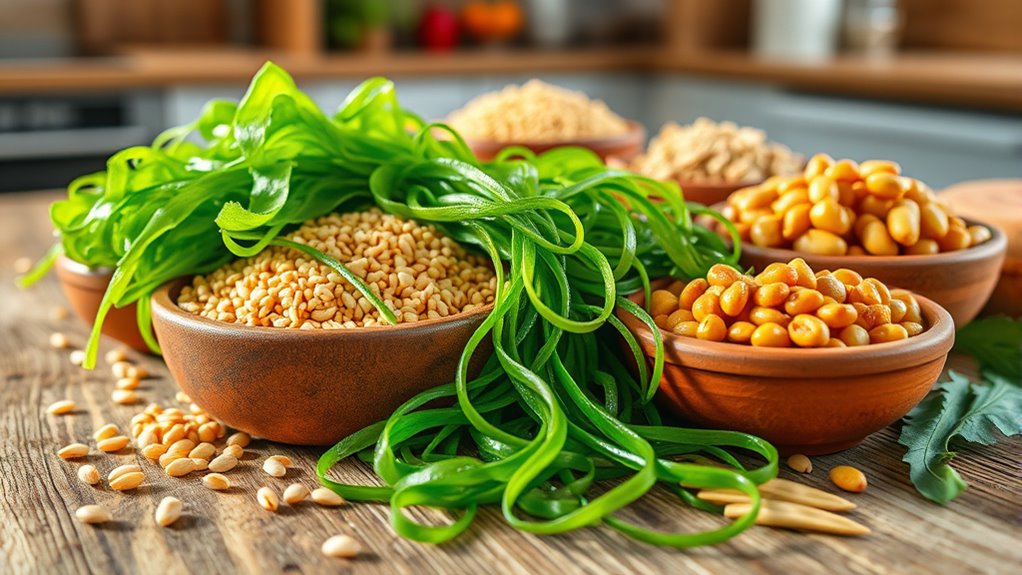
Seaweed is another superfood set to dominate 2025, thanks to its impressive nutrient profile and sustainability credentials. It grows rapidly, requires minimal freshwater, and doesn’t need arable land, making it an ideal choice for sustainable farming. You’ll find seaweed incorporated into a variety of dishes, from sushi to salads, soups, and snacks. Its umami flavor enhances traditional recipes, connecting you to culinary roots from coastal communities worldwide. By adding seaweed to your meals, you’re not only enriching your diet with iodine, antioxidants, and minerals but also supporting ocean-friendly farming practices that help maintain marine ecosystems. Its versatility allows you to experiment with traditional recipes, giving them a modern health boost while respecting cultural food traditions.
Ancient grains like quinoa, millet, amaranth, and spelt are making a comeback, thanks to their historical significance and nutritional density. These grains are often cultivated using sustainable farming techniques, which help preserve soil health and biodiversity. Incorporating ancient grains into your diet can be as simple as swapping rice or wheat for these nutrient-rich options in your favorite traditional recipes. They connect you to centuries-old culinary traditions while supporting modern sustainable agriculture. Their resilience to climate change and ability to thrive in diverse environments make them an excellent choice for future-focused eating. When you prepare traditional recipes with ancient grains, you’re honoring cultural heritage and promoting farming practices that prioritize environmental health.
In 2025, these superfoods will not only fill your plate with nutrients but also align your choices with sustainability and tradition. By embracing pulses, seaweed, and ancient grains, you’re contributing to a healthier planet and a richer culinary heritage—making smart, mindful choices that benefit both you and the world around you. Incorporating natural materials and traditional techniques in your cooking can further deepen your connection to these sustainable superfoods.
Frequently Asked Questions
How Do Superfoods Impact Global Food Security?
Superfoods can positively impact global food security by providing essential nutritional benefits that help combat malnutrition and promote healthier populations. Their often lower production costs improve economic accessibility, making nutritious options available to more people worldwide. By integrating superfoods like pulses, seaweed, and ancient grains into diets, you not only enhance nutrient intake but also support sustainable farming practices that can sustain growing populations.
Are Superfoods Sustainable for Long-Term Farming Practices?
You might think superfoods are the future, but are they truly sustainable? The answer depends on your approach to sustainable farming and crop diversity. If you focus on resilient, diverse crops like pulses, seaweed, and ancient grains, you’ll support long-term farming practices. However, monocultures or overharvesting threaten sustainability. So, yes, with mindful practices, superfoods can be a sustainable part of our future diet.
Can Superfoods Help Manage Chronic Health Conditions?
Superfoods can definitely help manage chronic health conditions by providing essential nutritional benefits. You’ll find that their high levels of vitamins, minerals, and antioxidants support disease prevention and boost your immune system. Incorporating superfoods like pulses, seaweed, and ancient grains into your diet can improve heart health, regulate blood sugar, and reduce inflammation. Consistent consumption helps you take proactive steps toward better health and long-term wellness.
What Are the Best Ways to Incorporate Superfoods Into Daily Meals?
You can easily incorporate superfoods into your daily meals through meal prep by adding pulses like lentils or chickpeas to salads and soups, enhancing flavor with seaweed in stir-fries or sushi, and mixing ancient grains such as quinoa or farro into grain bowls. These superfoods boost nutrition while adding interesting textures and flavors. Just plan ahead, keep ingredients handy, and experiment to make your meals both healthy and flavorful.
How Do Superfoods Affect Environmental Biodiversity?
Superfoods support biodiversity by promoting biodiversity conservation and habitat preservation. When you choose sustainable options like pulses, seaweed, and ancient grains, you help reduce habitat destruction caused by intensive farming. This encourages diverse ecosystems to thrive, protecting native species and maintaining ecological balance. Your mindful choices directly contribute to preserving the planet’s rich biodiversity, ensuring healthy habitats and sustainable food systems for future generations.
Conclusion
As you embrace these superfoods—pulses, seaweed, and ancient grains—you’re planting seeds for a healthier future. Think of your choices as a compass guiding you through a nourishing landscape, where each bite shapes your well-being like a gardener tending a thriving garden. By choosing these nutrient-rich foods, you’re cultivating resilience and vigor, turning your plate into a powerful tool for positive change. Your journey toward wellness blossoms with every mindful bite you take.