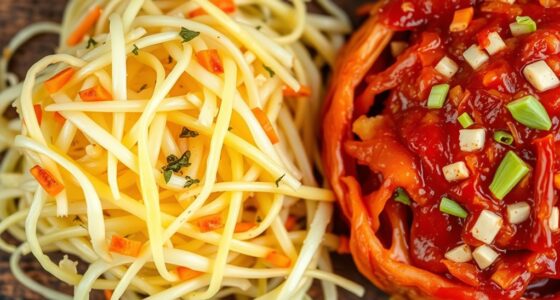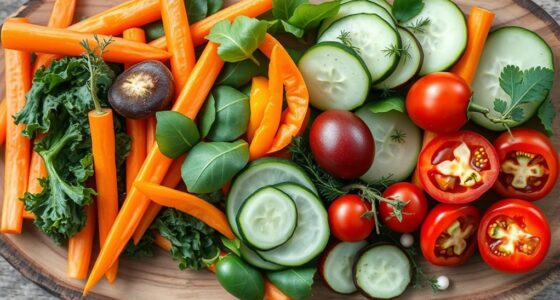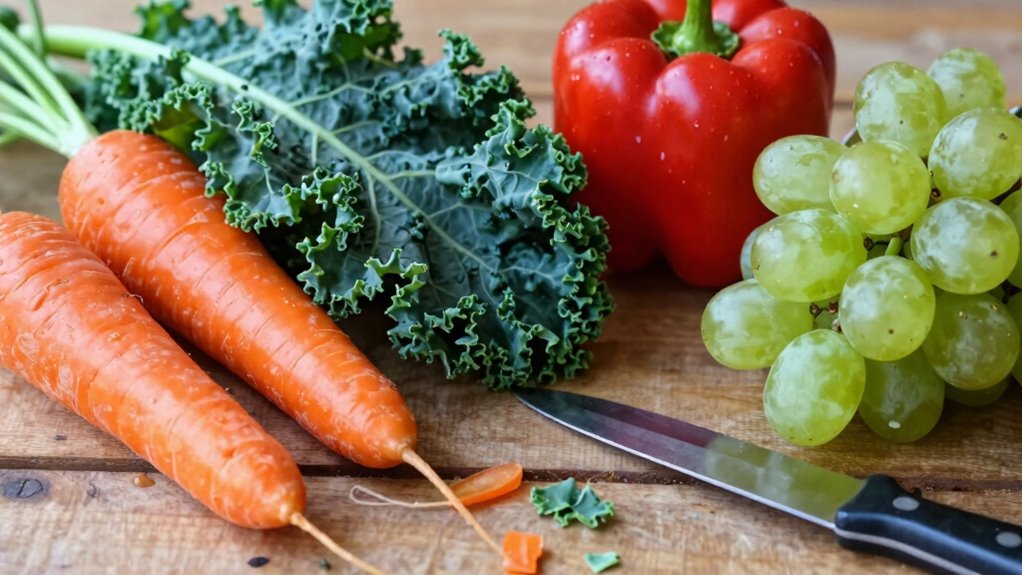

When you hear “raw,” it means foods haven’t been cooked, but that doesn’t automatically make them safer or healthier. Raw foods can carry harmful bacteria, parasites, or toxins if not handled properly. While some nutrients are preserved, cooking can boost others, like lycopene or beta-carotene. Understanding what “raw” truly entails helps you make smarter choices and avoid risks. Stay with us to discover more about the truth behind raw foods and how to enjoy them safely.

Get kitchen staples and gadgets delivered free — and shop member deals
- Fast, free delivery on millions of items
- Access to Prime Big Deal Days deals on October 6–7
- Prime Video, Amazon Music and more included
Key Takeaways
- “Raw” typically means foods that are minimally processed and not heated above a certain temperature, but safety depends on handling and sourcing.
- Raw foods can harbor harmful bacteria, parasites, or toxins if not properly washed, stored, or prepared.
- Cooking can enhance nutrient availability and reduce anti-nutrients, making some foods more nutritious when prepared properly.
- A strict raw diet may limit access to essential nutrients found in cooked foods, risking nutritional deficiencies.
- Safe raw food consumption requires understanding proper preparation, sanitation, and the limitations of raw diets.
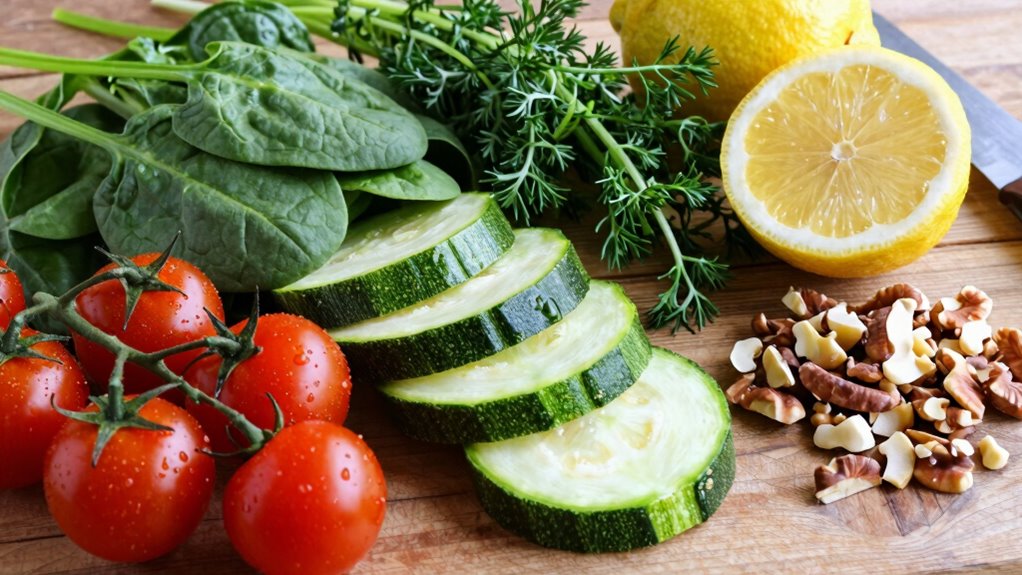
Raw food diets have gained popularity for their promise of improved health and natural living, but they also come with challenges and risks you should consider. When you hear about eating raw, it often sounds simple and appealing—fresh fruits, vegetables, nuts, and seeds that haven’t been cooked or processed. However, understanding what “raw” truly means is essential to making informed choices. Raw food doesn’t automatically mean healthier or safer; it depends on how you handle and prepare these foods.
One of the most essential aspects of a raw food diet is food safety. Raw foods, especially animal products like meat, dairy, or eggs, can harbor harmful bacteria, parasites, or viruses. Consuming these without proper handling or cooking can lead to foodborne illnesses. Even certain vegetables and fruits can carry pathogens if not washed thoroughly. It’s tempting to believe that raw foods are inherently safer because they’re “natural,” but in reality, raw foods require careful cleaning, proper sourcing, and sometimes specific preparation techniques to reduce health risks. For example, sprouts and leafy greens are common raw foods but are also known to cause food poisoning if contaminated. Additionally, proper food handling is crucial to minimize health hazards associated with raw foods. Proper sanitation and sourcing are vital in reducing the risk of contamination, especially when consuming raw animal products. Proper storage and temperature control are also critical factors to prevent bacterial growth during preparation and consumption. Implementing food safety protocols can significantly decrease the likelihood of illness. Being aware of these risks and taking preventative measures can make a big difference in safely enjoying raw foods.
At the same time, many people turn to raw diets for their potential nutritional benefits. Raw foods often retain more of their natural vitamins, enzymes, and antioxidants, which can be diminished during cooking. These nutrients are thought to support digestion, boost immunity, and promote overall vitality. However, it’s a misconception that raw always equals more nutritious. Cooking can actually improve the bioavailability of certain nutrients, like lycopene in tomatoes or beta-carotene in carrots. Additionally, some nutrients are sensitive to oxidation and can degrade quickly when exposed to air or light, regardless of whether the food is cooked or raw. It’s also worth noting that some raw foods can contain anti-nutrients or naturally occurring toxins that are neutralized through cooking, making them safer and easier to digest. Nutrient retention can be optimized through various preparation methods, not solely raw consumption. Furthermore, the presence of anti-nutrients in some raw foods highlights the importance of understanding proper preparation techniques to maximize health benefits.
You should also consider that a strict raw diet might limit your ability to get a balanced array of nutrients. Certain foods, such as grains and legumes, contain anti-nutrients or compounds that are better deactivated through cooking, which makes them easier to digest and helps your body absorb nutrients more effectively. If you’re not careful, a raw-only approach can result in deficiencies of essential vitamins and minerals. For example, cooking grains and legumes not only enhances digestibility but also reduces the risk of anti-nutrient interference with nutrient absorption. Balancing raw and cooked foods can often provide a more comprehensive nutritional profile. Incorporating a mix of both can help ensure you’re meeting your nutritional needs and maintaining overall health. Awareness of food safety is also critical when including animal products or certain produce in your diet, to prevent health issues.
In the end, understanding what “raw” really entails helps you make smarter food choices. While raw foods can offer nutritional benefits, they’re not a guarantee of safety or health on their own. Proper food safety practices, variety, and an awareness of the limitations of raw diets are key to maintaining a balanced, safe, and nutritious eating pattern.
As an affiliate, we earn on qualifying purchases.
Frequently Asked Questions
Is All Raw Food Safe to Eat Without Cooking?
Not all raw food is safe to eat without cooking, as raw food myths can be dangerous. Some items, like raw meats, eggs, and certain sprouts, may harbor harmful bacteria or parasites, posing health risks. You need to know which raw foods are safe and which require proper preparation. Relying on raw food myths can lead you to underestimate these dangers, so always research or consult experts before eating raw, especially animal products.
Can Raw Foods Meet All Nutritional Requirements?
Raw foods can meet many nutritional needs, but you might not get all essential nutrients solely from them. Nutrient absorption can be limited for some vitamins and minerals that are more bioavailable after cooking. While enzyme activity in raw foods supports digestion, it doesn’t compensate for potential gaps in your diet. To guarantee balanced nutrition, combine raw foods with other nutrient sources or consider supplements if necessary.
How Do I Prevent Foodborne Illnesses With Raw Foods?
Think of raw food safety like handling delicate glass—care is essential. To prevent foodborne illnesses, wash your hands thoroughly, and rinse raw foods with cold water to reduce bacterial contamination. Use a clean brush for produce if needed. Keep raw foods separate from cooked or ready-to-eat items. Proper storage and avoiding cross-contamination are key. These steps help you enjoy raw foods safely, just as careful handling preserves fragile glass.
Are There Specific Raw Foods I Should Avoid?
You should avoid forbidden raw foods like raw eggs, unpasteurized dairy, and certain raw seafood, as they pose higher risks of foodborne illnesses. For raw food safety, stick to thoroughly washed fruits, vegetables, and properly handled raw meats. Always source your raw foods from reputable suppliers, and when in doubt, cook items thoroughly to eliminate harmful bacteria. This helps minimize risks and keeps your raw eating habits safe.
Does Raw Food Digestion Differ From Cooked Food?
Raw food digestion does differ from cooked food because raw foods contain natural digestive enzymes that aid in breaking down nutrients. However, some raw food myths suggest digestion is always easier, which isn’t true; in fact, cooking can sometimes help with digestion by softening food. Your body adapts, but understanding how raw and cooked foods impact digestion helps you make better choices for comfort and nutrient absorption.
Conclusion
So, now that you know what “raw” truly entails—and what it doesn’t—are you ready to make informed choices about your food? Remember, embracing the raw food lifestyle isn’t just about eating uncooked; it’s about understanding the balance, safety, and nutrition behind each bite. Will you trust your instincts and prioritize quality over hype? Ultimately, being aware empowers you to enjoy raw foods confidently and healthfully. After all, isn’t your well-being worth it?
NFL season / tailgating Picks
team gear
As an affiliate, we earn on qualifying purchases.