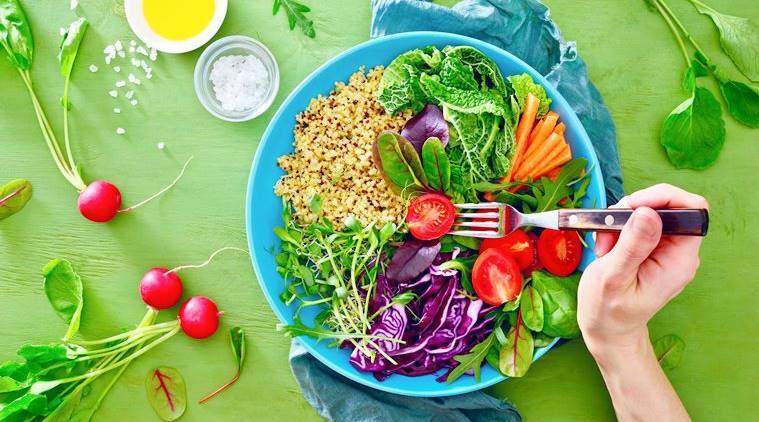
You can naturally stay hydrated and keep your electrolyte balance in check by eating water-rich fruits and vegetables like watermelon, cucumbers, strawberries, and leafy greens. These foods help replenish fluids, support muscle and nerve function, and provide essential nutrients and antioxidants that boost your overall health. Incorporating a colorful variety throughout the day makes it easier to stay energized and balanced. Keep exploring to discover more simple ways to enhance your hydration with raw foods.
Key Takeaways
- Water-rich fruits and vegetables like watermelon, cucumbers, and strawberries naturally boost hydration levels.
- Consuming raw produce helps maintain electrolyte balance, supporting muscle and nerve function.
- Nutrients and antioxidants in raw fruits and veggies enhance overall health and immune support.
- Raw produce offers a chemical-free way to hydrate and sustain mineral levels during hot weather or activity.
- Incorporating a variety of water-dense fruits and vegetables throughout the day maximizes hydration and nutrient intake.

Staying well-hydrated is crucial when eating raw foods, as these foods often contain high water content that naturally helps keep your body hydrated. Consuming water-rich produce like watermelon, cucumbers, strawberries, and lettuce not only replenishes fluids but also supports your overall electrolyte balance. Electrolytes, such as sodium, potassium, magnesium, and calcium, are indispensable for muscle function, nerve signaling, and maintaining pH levels, especially when you consume a diet rich in raw fruits and vegetables. When you eat these water-dense foods regularly, you help your body retain essential minerals and fluids, reducing the risk of dehydration and its associated symptoms, like fatigue and dizziness.
Fruits and vegetables with high water content do more than just hydrate; they also deliver essential nutrients and antioxidants that boost your immune system and promote prime health. For example, citrus fruits like oranges and grapefruits provide vitamin C and potassium, which support electrolyte balance and help prevent cramping. Leafy greens such as spinach and kale contain magnesium and calcium, contributing to muscle relaxation and bone health. Incorporating a variety of these foods into your daily diet ensures you’re not only staying hydrated but also fueling your body with critical nutrients that support cellular functions and overall vitality.
When you rely on raw produce for hydration, you’re engaging in a natural way to balance your electrolytes. Unlike processed foods or sugary drinks, fresh fruits and vegetables offer a clean source of hydration and essential minerals without added chemicals or preservatives. This natural approach helps your body maintain homeostasis, especially during hot weather or after physical activity when electrolyte levels can fluctuate. By choosing water-rich produce, you give your body a dual benefit: hydration and nourishment, which work together to keep you energized and healthy.
Adding proper filtration to your environment can also support better health by reducing airborne pollutants and allergens that may affect your respiratory system, especially if you suffer from allergies or asthma. To maximize the benefits, aim to include a rainbow of water-rich produce throughout the day. Snack on juicy watermelon slices, toss cucumber into salads, or blend strawberries into smoothies. These choices keep your hydration levels stable and your electrolyte balance in check, ensuring your body functions smoothly. Remember, staying well-hydrated isn’t just about drinking water; it’s also about eating foods that support fluid retention and mineral balance naturally. Incorporating a variety of fresh, water-dense fruits and vegetables into your diet is one of the simplest and most effective ways to stay hydrated, support electrolyte health, and enjoy the many benefits that raw foods provide.
Frequently Asked Questions
How Much Water Do Raw Fruits and Vegetables Contain?
Raw fruits and vegetables typically contain about 80-95% water content, making them excellent for hydration benefits. When you eat these foods, you’re not only nourishing your body with vitamins and fiber but also helping to keep you hydrated naturally. Incorporating a variety of colorful produce into your diet guarantees you get plenty of water and other essential nutrients, supporting overall health and keeping you energized throughout the day.
Can Eating Raw Foods Prevent Dehydration?
Sure, eating raw foods can prevent dehydration—if you’re only eating watermelon all day! The hydration benefits of raw food hydration come from their high water content, which helps maintain fluid levels. However, relying solely on raw foods isn’t enough for complete hydration; you still need to drink water. But yes, including plenty of fruits and veggies can boost your hydration and support overall fluid balance.
Which Raw Foods Have the Highest Water Content?
If you’re looking for raw foods with the highest water content, juicy melons like watermelon and cantaloupe top the list, providing over 90% water. Leafy greens such as lettuce and spinach also pack a significant water punch, offering about 90% water. Incorporate these foods into your diet regularly to boost hydration naturally. Their high water content helps keep you refreshed and supports overall health.
Does Cooking Reduce the Hydration Benefits of Produce?
Cooking can reduce the hydration benefits of produce because it causes nutrient loss, especially water-soluble vitamins. However, it can also enhance flavor, making vegetables more appealing and easier to eat. While raw foods often retain more water content, cooking can make some nutrients more bioavailable. To balance hydration and flavor, consider steaming or lightly cooking your produce, which preserves more water while boosting taste.
Are There Any Risks of Eating Too Many Raw Fruits and Veggies?
Eating too many raw fruits and veggies can pose food safety risks, like contamination with bacteria or pesticides. You might also experience digestive issues, such as bloating or discomfort, if your body isn’t used to the high fiber intake. While raw foods boost hydration, moderation is key. Keep your produce properly washed and consider balancing raw with cooked to protect your digestive health and enjoy the benefits safely.
Conclusion
Staying hydrated is easier when you include plenty of fruits and veggies in your diet—they’re packed with water and nutrients. Did you know that watermelon is over 90% water? Incorporating raw produce not only keeps you refreshed but also boosts your health naturally. So, next time you reach for a snack, choose juicy fruits or crisp veggies. Your body will thank you for staying well-hydrated and energized with these delicious, raw options.