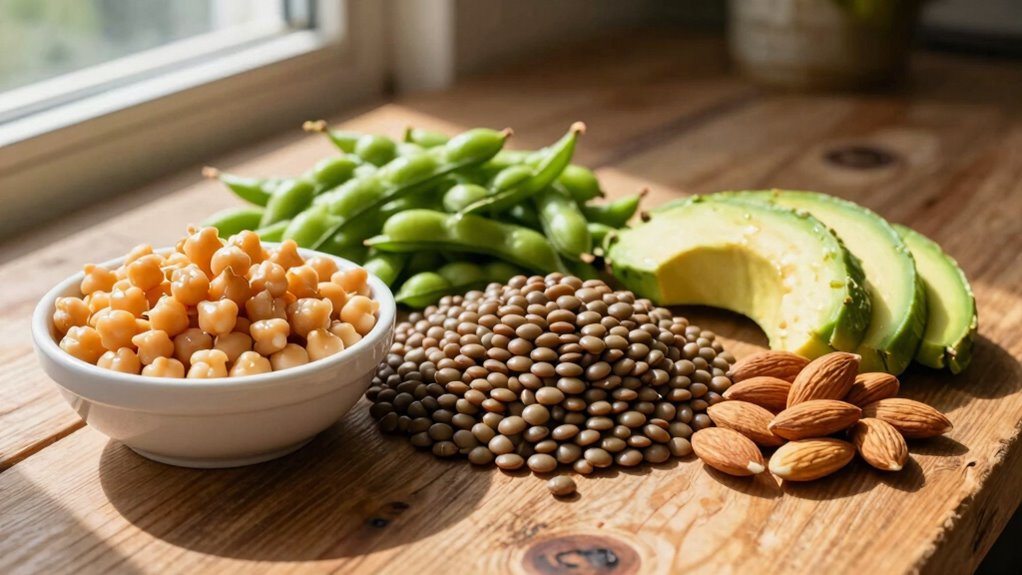
To meet your plant-based protein needs without powders, focus on whole foods like lentils, chickpeas, and black beans, which are rich in protein and fiber. Incorporate grains such as quinoa, oats, and brown rice, and top salads or meals with nuts and seeds for healthy fats and extra protein. Combining these foods improves nutrient absorption and supports overall health. Keep exploring for more tips on creating balanced, nutrient-dense plant-based meals.

Get kitchen staples and gadgets delivered free with Prime
- Fast, free delivery on millions of items
- Prime Video, Amazon Music and more included
- Member-only deals all year
Key Takeaways
- Focus on including diverse whole-food sources like legumes, grains, nuts, and seeds in daily meals.
- Combine grains and legumes to create complete amino acids and enhance protein absorption.
- Incorporate plant-based proteins into breakfast, lunch, and dinner with simple recipes like salads, stews, and spreads.
- Use soaking, sprouting, and food pairing techniques to improve digestibility and nutrient availability.
- Rely on natural, whole-food sources for sustained energy, muscle support, and overall health without powders.
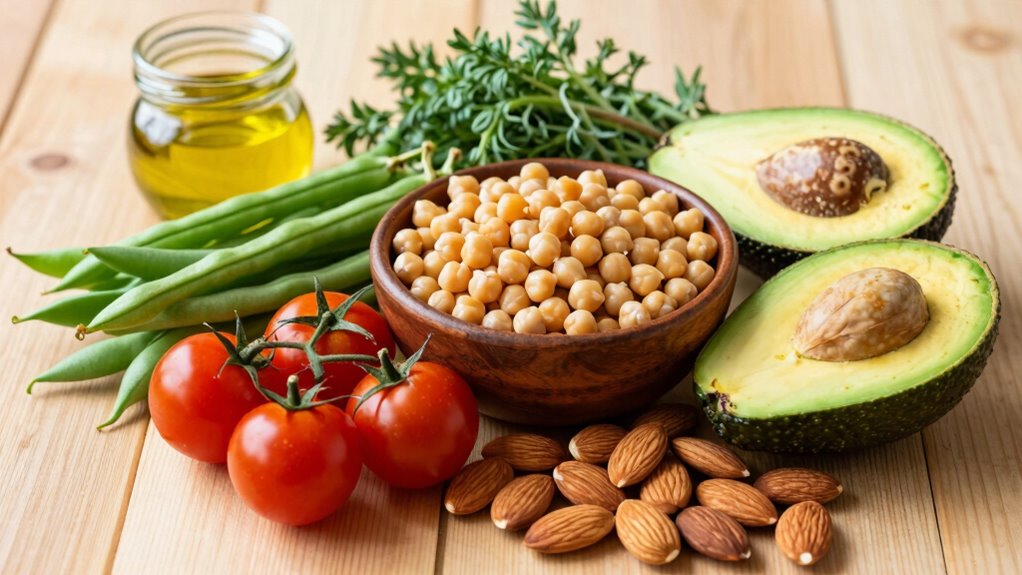
If you’re new to plant-based eating, finding sources of protein beyond powders can seem intimidating. You might worry about meeting your daily protein needs without relying on supplements or protein powders. The good news is, there are plenty of natural, whole-food options that can easily fit into your meal planning. By focusing on diverse plant-based sources, you not only guarantee a steady intake of protein but also benefit from other essential nutrients. Incorporating a variety of these foods into your meals helps your body absorb nutrients more effectively, making your diet both balanced and sustainable.
Embrace diverse plant-based foods to meet protein needs and enhance nutrient absorption naturally.
When you start meal planning, think about including a mix of legumes, grains, nuts, seeds, and vegetables. Legumes, such as lentils, chickpeas, and black beans, are excellent sources of protein and fiber. They form the backbone of many plant-based dishes and can be easily added to salads, stews, or made into spreads like hummus. Whole grains like quinoa, brown rice, and oats also pack a decent amount of protein and are versatile staples that can be incorporated into breakfast, lunch, or dinner. Combining grains with legumes creates a complete amino acid profile, optimizing nutrient absorption and ensuring your body gets what it needs for muscle repair and overall health.
Nuts and seeds, including almonds, chia seeds, flaxseeds, and pumpkin seeds, provide healthy fats along with protein, making them perfect for snacks or toppings. Adding them to oatmeal, smoothies, or salads not only boosts your protein intake but also enhances flavor and texture. Incorporating plant-based proteins into your diet can also help support muscle maintenance and overall energy levels. Leafy greens, such as spinach and kale, contain smaller amounts of protein but are rich in vitamins and minerals that support overall nutrient absorption. Incorporating these vegetables into your meals complements your protein sources and rounds out your diet.
To maximize nutrient absorption, diversify your meals. Pairing beans with grains, or adding nuts and seeds to salads, creates synergy that helps your body utilize these nutrients better. You can also soak or sprout certain foods like lentils and seeds, which reduces antinutrients and improves digestibility, making nutrients more accessible. Additionally, understanding the importance of plant-based protein sources can help you make informed choices that support your dietary goals. As you plan your meals, keep in mind that a balanced diet with a variety of plant-based foods ensures you’re not just hitting your protein goals but also getting a wide range of other essential nutrients. This approach helps you build a sustainable, healthy eating pattern without relying on powders or supplements.
As an affiliate, we earn on qualifying purchases.
Frequently Asked Questions
How Much Plant-Based Protein Should I Consume Daily?
You should aim for about 46 grams of plant-based protein daily if you’re moderately active. When meal planning, spread your intake evenly across meals to support muscle repair and energy levels. Focus on incorporating diverse sources like beans, lentils, tofu, and grains. Protein timing is key—try to include protein in every meal and snack, ensuring your body gets a steady supply throughout the day.
Can Plant Proteins Meet All My Essential Amino Acid Requirements?
Plant proteins can meet all your essential amino acid requirements if you choose a variety of sources. While most plant proteins have an incomplete amino acid profile, combining different foods—like beans, grains, nuts, and seeds—ensures protein completeness. This strategy balances your amino acid profile, making it easier to fulfill your needs naturally. So, with mindful eating, plant-based proteins can fully support your essential amino acid requirements.
Are Plant-Based Proteins Suitable for All Dietary Restrictions?
You might think plant-based proteins aren’t for everyone, but think again. Imagine creamy vegan cheese melting perfectly or blending into protein smoothies, perfectly suited for various dietary needs. Many plant proteins are suitable for vegans, vegetarians, and those with gluten or soy allergies. By choosing diverse sources like beans, lentils, and nuts, you can meet your dietary restrictions without sacrificing taste or nutrition.
How Can I Incorporate More Plant Proteins Into Snacks?
To incorporate more plant proteins into snacks, choose snack ideas that feature protein sources like nuts, seeds, and legumes. You can enjoy roasted chickpeas, trail mix with almonds and sunflower seeds, or hummus with veggie sticks. Incorporate tofu or edamame into quick snacks, or spread peanut or almond butter on whole-grain toast. These options boost your protein intake naturally, keeping your snacks tasty and nutritious.
Do Plant-Based Proteins Cause Any Digestive Issues?
Plant-based proteins can sometimes cause digestive issues, especially if you have food sensitivities. You might experience bloating, gas, or discomfort if your body isn’t used to certain fibers or antinutrients found in foods like beans, lentils, or soy. To promote digestive comfort, start with small portions, soak or cook foods thoroughly, and introduce new proteins gradually. Listening to your body helps you identify what works best for you.
Conclusion
Now that you know how to nourish your body with natural, protein-packed plant foods, you’re ready to conquer cravings and create a colorful, cruelty-free culinary collection. Embrace the excitement of experimenting with legumes, leafy greens, and hearty grains—your plant-based pantry is your playground. With a little curiosity and commitment, you can confidently craft complete, compelling, and cruelty-free meals that fuel your fitness and fulfill your fiber fantasies. Happy harvesting and hearty eating!
Fall Picks
fall essentials
As an affiliate, we earn on qualifying purchases.