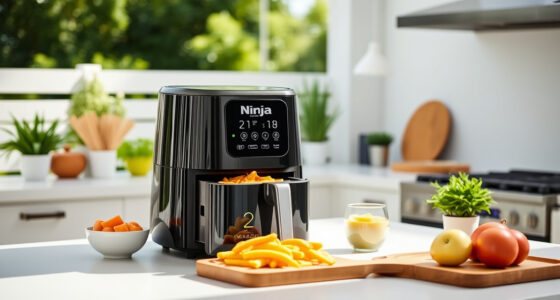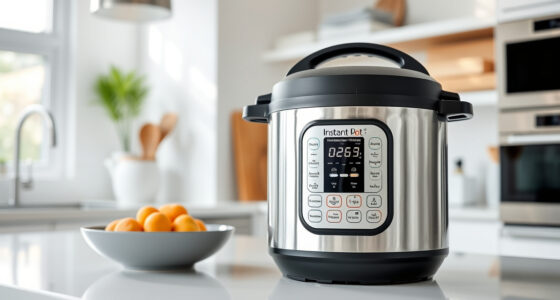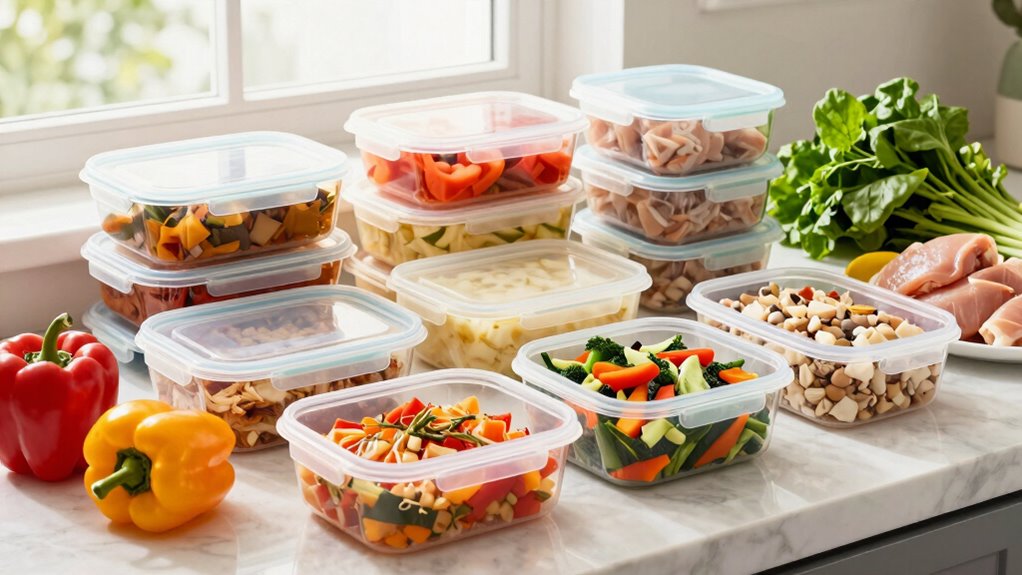
To start freezer meal prep, use proper containers like resealable bags or glass jars, removing excess air to prevent freezer burn. Plan simple, versatile recipes you can batch cook and portion for quick, convenient meals. Organize your freezer and label everything with dates. Buy in bulk and shop strategically to save money. Keeping everything tidy and safe guarantees your meals stay fresh and tasty. Stick with these basics, and you’ll discover how easy and rewarding freezer fine dining can be.

Get kitchen staples and gadgets delivered free — and shop member deals
- Fast, free delivery on millions of items
- Access to Prime Big Deal Days deals on October 6–7
- Prime Video, Amazon Music and more included
Key Takeaways
- Use proper containers and remove excess air to keep meals fresh and prevent freezer burn.
- Plan simple, versatile recipes that freeze well and are quick to reheat for easy meals.
- Batch cook and portion meals to save time, space, and reduce waste.
- Organize your freezer efficiently for quick access and to maintain food safety.
- Label all meals with date and contents to ensure freshness and proper rotation.
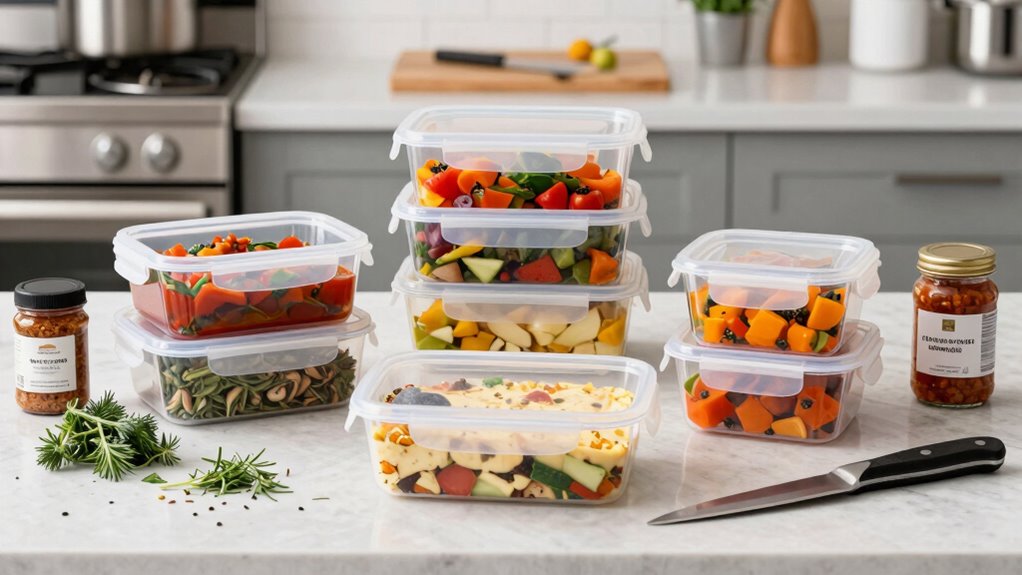
Freezer meal prep can seem overwhelming at first, but with a little planning, it becomes a game-changer for busy days. The key is understanding how to efficiently manage meal storage so your prepared dishes stay fresh and tasty. When you’re just starting out, focus on simple, versatile recipes that freeze well, and make sure you have the right containers—whether plastic containers, glass jars, or resealable bags. Proper meal storage not only preserves flavor and texture but also helps prevent freezer burn, ensuring every meal tastes just as good as when you first prepared it. Label your containers with the date and contents so you can easily keep track of what’s in your freezer, making meal selection quick and stress-free. Additionally, understanding storage tips can help extend the shelf life of your meals and maintain optimal quality. Using the proper freezing techniques, such as removing excess air from bags or using vacuum sealing, can further improve freshness and reduce waste. Budget planning plays a crucial role in successful freezer meal prep. Buying ingredients in bulk is often more economical, but you’ll want to plan your meals around sales and seasonal produce to maximize savings. Start by making a list of your favorite dishes and check what ingredients you already have at home. This way, you avoid unnecessary purchases and keep your costs low. When shopping, focus on versatile ingredients that can be used in multiple recipes, such as rice, beans, or frozen vegetables. This approach helps stretch your budget further and reduces waste. Once you’ve gathered everything, portion your ingredients thoughtfully—meals that are too large may waste space, while too small portions might lead to multiple trips to the freezer. Proper meal storage ensures that your food remains fresh and that you can easily grab a pre-portioned meal on busy days. As you become more comfortable with freezer meal prep, you’ll see how it can streamline your weekly routine. Planning ahead means you can batch cook several meals at once, saving you time and mental energy. Incorporate your budget planning into your meal prep by choosing cost-effective recipes and sticking to your shopping list. This way, you avoid impulse buys that can inflate your grocery bill. Remember to keep your freezer organized so you can quickly find what you need without rummaging through piles of packages. Additionally, understanding freezer organization is essential for maximizing space and efficiency. Keeping an eye on food safety guidelines ensures your meals stay safe to eat over time. With consistent effort, freezer meal prep can transform your approach to mealtime, turning what once seemed like a chore into a reliable way to enjoy homemade, nutritious meals even on your busiest days.
As an affiliate, we earn on qualifying purchases.
Frequently Asked Questions
How Long Can I Store Meals in the Freezer Without Quality Loss?
You can store meals in the freezer for up to 3-6 months without significant quality loss if you practice proper meal portioning and freezer organization. Properly portion your meals into airtight containers or bags to prevent freezer burn, and organize your freezer so older items are used first. Label each meal with date details, ensuring you consume them within that time frame for the best taste and texture.
What Are the Safest Methods for Reheating Frozen Meals?
For safe, satisfying reheating, master the method that matches your meal. Microwaving methods involve using microwave-safe containers, covering food, and stirring for even heating. Oven reheating involves preheating, covering dishes with foil, and checking internal temperatures. This technique guarantees thorough warming, prevents dryness, and preserves flavor. Always verify that your food reaches an internal temperature of 165°F, ensuring safety and savoriness. Proper reheating keeps your meals fresh, fluffy, and fantastic.
Can I Freeze Meals With Fresh Vegetables?
Yes, you can freeze meals with fresh vegetables, but you should consider vegetable freshness and freezing techniques. To maintain quality, blanch vegetables briefly before freezing to preserve color, texture, and nutrients. Use airtight containers or freezer bags to prevent freezer burn. Properly cooled and sealed, your meals will stay flavorful and nutritious, making sure your fresh vegetables remain enjoyable even after freezing.
How Do I Prevent Freezer Burn on Prepped Meals?
To prevent freezer burn on prepped meals, you must master packaging techniques and storage tips. Start by removing excess air from your containers or bags, sealing them tightly. Wrap meals in plastic wrap or foil before placing them in airtight containers for extra protection. Keep your freezer at the right temperature, ideally 0°F, and avoid opening the door frequently. These steps lock in freshness and keep your meals tasting their best.
Are There Specific Containers Best for Freezer Meal Storage?
You should choose container types like BPA-free plastic, glass, or silicone for freezer meal storage. Material considerations are vital; opt for containers that are freezer-safe, leak-proof, and airtight to prevent spoilage and freezer burn. Avoid thin or non-freezer-safe plastics. Look for containers with tight-fitting lids to maintain freshness. Using the right material guarantees your meals stay fresh, and you can easily reheat and enjoy them later without worry.
Conclusion
Now, as you stock your freezer with vibrant, ready-to-serve meals, you’re crafting a personal culinary sanctuary amid the icy stillness. Each frozen dish is a promise of convenience, yet it’s also a treasure chest of flavors waiting to burst forth when heated. With your newfound skills, you’ve transformed the mundane act of freezing into an artful dance of preparation and anticipation. Your freezer isn’t just cold storage — it’s a gallery of delicious possibilities, frozen in time.
Halloween Picks
halloween
As an affiliate, we earn on qualifying purchases.