

To boost your gut health, focus on eating probiotic-rich foods like yogurt, kefir, sauerkraut, and kimchi, which introduce beneficial bacteria. Pair these with high-fiber foods such as whole grains, fruits, and vegetables to nourish your gut microbes. Avoid processed foods and excess sugar, stay hydrated, manage stress, and get enough sleep. These simple steps will set a strong foundation—keep exploring to discover how to optimize your gut for better health.

Get kitchen staples and gadgets delivered free with Prime
- Fast, free delivery on millions of items
- Prime Video, Amazon Music and more included
- Member-only deals all year
Key Takeaways
- Incorporate probiotic-rich foods like yogurt, kefir, sauerkraut, and kimchi to introduce beneficial bacteria into your gut.
- Increase fiber intake through whole grains, fruits, and vegetables to nourish good gut bacteria and promote digestion.
- Combine probiotics and fiber for a synergistic effect, enhancing gut diversity and overall health.
- Limit processed foods, excess sugar, and artificial additives to support a balanced gut microbiome.
- Maintain a holistic lifestyle by managing stress, staying hydrated, and getting adequate sleep for optimal gut health.
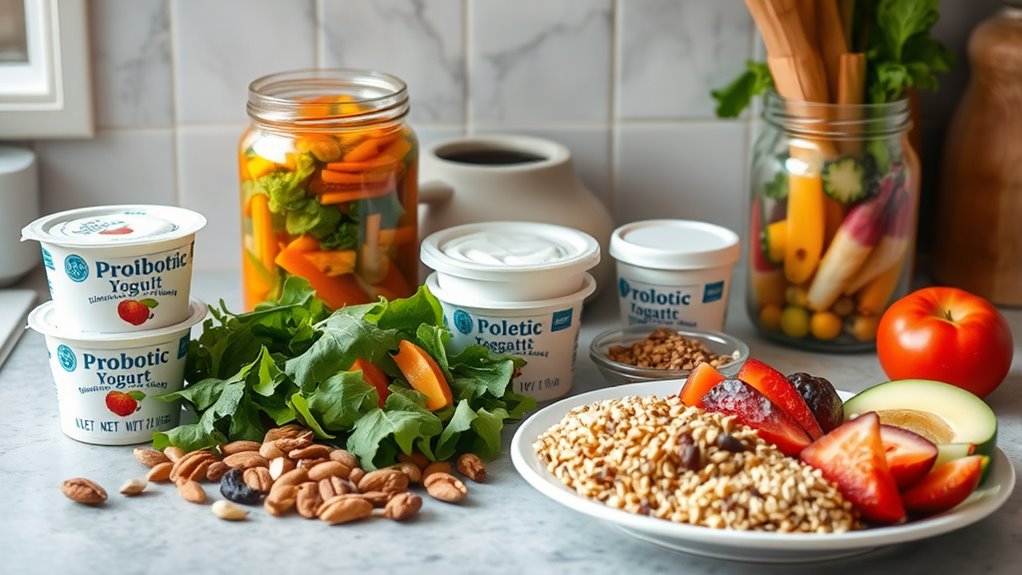
Your gut health plays a essential role in your overall well-being, influencing everything from digestion to immunity. When your gut functions well, you’re more energized, less prone to illnesses, and better able to absorb nutrients from the food you eat. To support this fundamental system, focusing on probiotic foods and fiber intake is necessary. Probiotic foods are packed with beneficial bacteria that help balance your gut flora, promoting digestion and reducing inflammation. Incorporate foods like yogurt, kefir, sauerkraut, kimchi, and kombucha into your diet regularly. These foods introduce live microorganisms that can improve gut diversity, which is key to overall health. You don’t have to overhaul your entire diet overnight; small, consistent additions make a difference over time.
Fiber intake is another cornerstone of gut health. Fiber acts as a prebiotic, providing nourishment for the good bacteria already residing in your digestive system. When you eat fiber-rich foods, you support the growth of these beneficial microbes, leading to a healthier gut environment. Whole grains like oats, brown rice, and whole wheat bread are excellent sources of fiber. Vegetables such as broccoli, carrots, and leafy greens also boost your fiber intake while adding essential nutrients. Fruits like apples, berries, and pears are high in fiber and antioxidants, further supporting your gut’s health. Remember, increasing fiber gradually is important to prevent bloating or discomfort. Pairing fiber-rich foods with plenty of water helps fiber do its job effectively, ensuring smooth digestion and regular bowel movements. Additionally, proper storage and freshness of your foods can help preserve their probiotic and fiber content, maximizing their benefits.
Balancing probiotic foods with a high-fiber diet creates a synergy that enhances your gut’s resilience. The beneficial bacteria from probiotics need fuel to thrive, and fiber provides exactly that. When you combine these dietary habits, you foster a diverse and stable gut microbiome, which can improve digestion, reduce bloating, and strengthen your immune system. Additionally, paying attention to your overall diet—limiting processed foods, excess sugar, and artificial additives—supports the growth of healthy microbes. Lifestyle factors like managing stress, staying hydrated, and getting enough sleep also play a role in maintaining a healthy gut ecosystem.
As an affiliate, we earn on qualifying purchases.
Frequently Asked Questions
Can Gut Health Affect My Mental Well-Being?
Yes, your gut health can markedly affect your mental well-being. The gut-brain connection means that an unhealthy gut may disrupt mood and cognitive function, leading to issues like anxiety or depression. When your gut balance is off, it can impact neurotransmitter production and increase inflammation, which directly influences mental health. Taking care of your gut through diet and lifestyle can help improve your overall mental well-being.
Are Probiotics Safe for Long-Term Use?
Probiotic strains are generally safe for long-term use, but it’s crucial to choose reputable brands and consult your healthcare provider. The long-term safety of probiotics varies depending on the strains and your individual health needs. While many people tolerate them well, some may experience mild side effects. Monitoring your body’s response and adjusting intake accordingly ensures you benefit from probiotics safely over time.
How Quickly Can I See Gut Health Improvements?
You might see gut health improvements sooner than you think—sometimes within a few days to a week. As your gut flora begins to rebalance, digestion speeds up and symptoms improve. Keep in mind, patience is key; just like a snowball rolling downhill, progress accumulates over time. Consistently eating probiotic-rich foods and maintaining a healthy diet will help speed up the process and support long-term gut health.
What Are Common Signs of Poor Gut Health?
You might notice signs of poor gut health like digestive discomfort and abdominal bloating. These symptoms often indicate your gut isn’t functioning at its best, leading to irregular digestion, gas, or stomach pain. You may also experience fatigue, irregular bowel movements, or food sensitivities. Pay attention to these clues, as early detection helps you address issues sooner and improve your overall gut health through better diet and lifestyle choices.
Does Age Influence Gut Health Recommendations?
As you age, your gut health needs special attention, and yes, age influences dietary guidelines. For example, a 70-year-old might experience reduced stomach acid, affecting nutrient absorption. This means you should focus on foods rich in probiotics and fiber tailored to age-related changes. Adjusting your diet helps maintain gut balance and overall health, emphasizing that age-specific recommendations are essential for peak gut function at every stage of life.
Conclusion
Taking care of your gut is like giving your body the secret to unstoppable energy and happiness. As you start incorporating these simple tips, you’ll notice your digestion improving faster than you can say “balanced microbiome.” Remember, your gut health is the foundation for your overall well-being—don’t ignore it! With consistent effort, you’ll open a vitality so powerful, it might just feel like you’ve discovered the fountain of youth. You’ve got this—your gut will thank you!
NFL season / tailgating Picks
team gear
As an affiliate, we earn on qualifying purchases.