To boost your gut health through meal prep, focus on incorporating fermented foods like yogurt, kimchi, and sauerkraut, which supply beneficial probiotics. Pair these with fiber-rich snacks such as nuts, seeds, fruits, and whole grains to feed your good bacteria. Planning your meals ahead lets you include diverse, nutrient-dense ingredients consistently. Stay tuned, as you’ll discover practical tips to make your gut-friendly meals even easier to prepare and enjoy.

Get kitchen staples and gadgets delivered free with Prime
- Fast, free delivery on millions of items
- Prime Video, Amazon Music and more included
- Member-only deals all year
Key Takeaways
- Incorporate fermented foods like yogurt, kimchi, and sauerkraut into meal prep to boost beneficial gut bacteria.
- Plan fiber-rich snacks such as nuts, seeds, and fresh fruits to support digestion and regular bowel movements.
- Prepare diverse, nutrient-dense ingredients like whole grains and vegetables to promote a healthy, balanced microbiome.
- Use natural storage methods to preserve probiotics in fermented foods and ensure freshness for consistent consumption.
- Experiment with different fermented recipes and fiber sources to enhance variety and long-term adherence to gut-friendly meals.

Taking control of your diet through meal prep can substantially boost your gut health. When you plan your meals ahead, you have the opportunity to include foods that nurture your digestive system and promote a balanced microbiome. One of the most effective ways to do this is by incorporating fermented foods, which are packed with probiotic benefits. These foods contain live beneficial bacteria that help replenish and diversify your gut flora, improving digestion and boosting immunity. Think of adding yogurt, kefir, sauerkraut, kimchi, or kombucha to your meal prep lineup. These probiotic-rich options not only enhance gut health but also add flavor and variety to your diet.
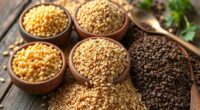
In addition to fermented foods, focusing on fiber-rich snacks can make a significant difference. Fiber is essential because it acts as food for your good gut bacteria, supporting their growth and activity. When you prepare snacks in advance, choose options like nuts, seeds, fresh fruits, vegetables, or whole-grain crackers. These foods provide the necessary dietary fiber that promotes regular bowel movements and prevents constipation. By integrating fiber-rich snacks into your meal prep routine, you ensure your digestive system remains efficient and your gut bacteria are well-nourished. This combination of probiotics and fiber works synergistically to create a healthier gut environment.
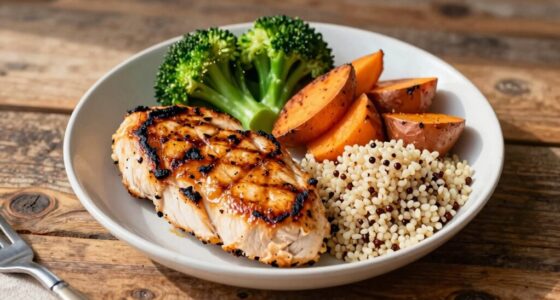
Preparing meals ahead of time means you can consciously select diverse, nutrient-dense ingredients that bolster your gut health. For instance, including a variety of fermented vegetables alongside fiber-rich fruits and whole grains ensures your gut receives a broad spectrum of beneficial compounds. It’s also easier to control portion sizes and avoid processed, less nutritious options when you plan in advance. Meal prep allows you to experiment with different fermented recipes and fiber-rich snacks, making it easier to stick to a gut-friendly diet long-term. Plus, it reduces the temptation to reach for convenience foods that often lack the necessary probiotics and fibers. Incorporating natural materials in your kitchen tools and storage can also enhance the freshness and preservation of your fermented foods.
fermented foods probiotic yogurt
As an affiliate, we earn on qualifying purchases.
As an affiliate, we earn on qualifying purchases.
Frequently Asked Questions
Can Fermented Foods Cause Bloating or Discomfort?
Fermented foods can cause bloating or discomfort if you have digestive sensitivity or if you’re new to fermentation. Sometimes, the probiotics in fermented foods may temporarily upset your stomach. To guarantee fermentation safety, introduce these foods gradually and in small amounts. Listen to your body, and if discomfort persists, consult a healthcare professional. Over time, many find fermented foods support gut health without issues.
How Much Fiber Should I Include in My Weekly Meal Prep?
Think of your gut as a garden needing diverse seeds. You should aim for about 25-30 grams of fiber weekly, integrating a variety of sources like fruits, veggies, whole grains, and legumes. When meal planning, include different fiber types—soluble and insoluble—to nurture your gut flora. This variety keeps your digestive system thriving and helps prevent discomfort, making your gut happy and healthy with each well-planned meal.
Are All Fermented Foods Suitable for Gut Health?
Not all fermented foods are suitable for gut health, as fermentation safety varies. You should focus on those rich in probiotic diversity, like sauerkraut, kimchi, and yogurt, which help boost your gut flora. Be mindful of proper preparation to avoid contamination, and introduce fermented foods gradually to see how your digestion responds. Incorporating a variety ensures you maximize benefits while maintaining safe, healthy fermentation practices.
How Do I Balance Fermented Foods and Fiber Intake?
Balance benefits by blending fermented foods and fiber thoughtfully. Focus on fostering probiotic diversity by including a variety of fermented options, while timing fiber intake to avoid overpowering probiotics. For instance, enjoy fermented foods daily and space out high-fiber meals, like fruits and whole grains, an hour apart. This strategy helps support gut health, ensuring probiotics thrive and fibers complement rather than compete. Be mindful, and your gut will thank you!
Should I Avoid Certain Foods When Improving Gut Health?
You should avoid foods that trigger your food sensitivities or conflict with your dietary restrictions, as they can disrupt your gut health. Pay attention to how your body reacts and limit processed foods, added sugars, and artificial ingredients. Incorporate fermented foods and fibers gradually to prevent discomfort. Always consult with a healthcare professional if you’re unsure about specific foods, especially if you have underlying health conditions.
Conclusion
By incorporating fermented foods and fiber-rich meals into your prep routine, you’re setting yourself up for a healthier gut. Remember, Rome wasn’t built in a day, so be patient and consistent. Small, mindful steps each week can lead to significant improvements in digestion and overall well-being. Stick with it, and you’ll soon see that nourishing your gut is the best investment you can make for your health. Keep at it—you’re worth it.
Halloween Picks
halloween
As an affiliate, we earn on qualifying purchases.