Fermented raw foods like sauerkraut and kimchi are rich in probiotics that support your gut health and strengthen your immune system. They enhance digestion, reduce inflammation, and retain most nutrients from fresh vegetables. Their tangy, complex flavors can elevate your meals, while you control ingredients and fermentation time at home for freshness and safety. Keep exploring to discover how these flavorful, nutrient-dense options can become a healthy addition to your diet.

Get kitchen staples and gadgets delivered free with Prime
- Fast, free delivery on millions of items
- Prime Video, Amazon Music and more included
- Member-only deals all year
Key Takeaways
- Sauerkraut and kimchi are fermented raw foods rich in probiotics that support gut health.
- They are made by shredding cabbage or radishes and fermenting with salt or starter cultures.
- Lactic acid produced during fermentation preserves the foods and gives them their tangy flavor.
- These foods retain most nutrients and offer complex flavors, enhancing various dishes.
- Homemade fermentation allows control over ingredients, flavors, and ensures food safety.
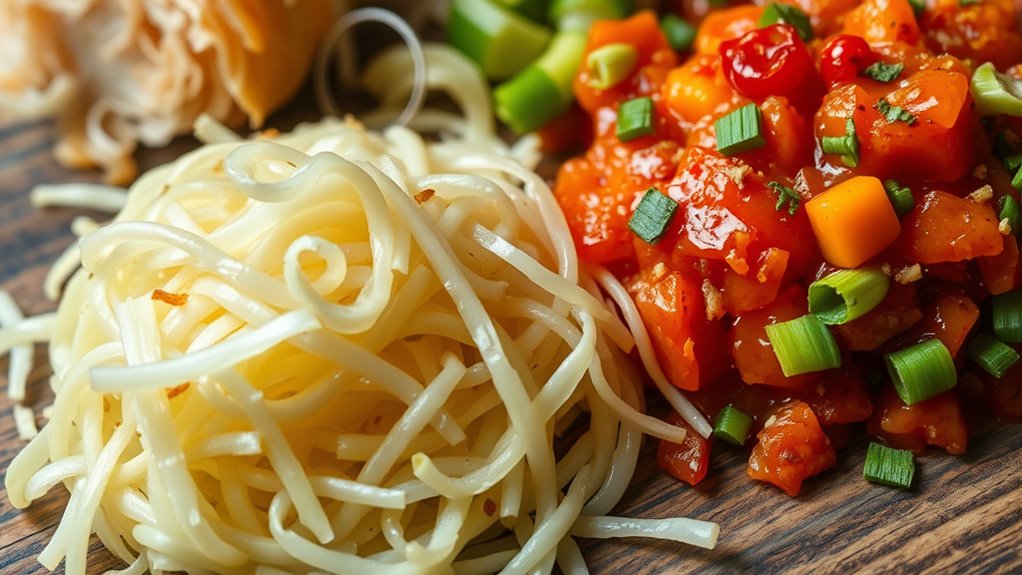
Fermented raw foods have gained popularity for their unique flavors and potential health benefits. Among these, sauerkraut and kimchi stand out as delicious, nutrient-dense options that can enhance your diet. These foods are rich in probiotics, which are live microorganisms that support your gut health and boost your immune system. When you include fermented raw foods in your meals, you’re not just adding flavor—you’re also nourishing your digestive system with beneficial bacteria. This makes them a smart choice if you want to improve digestion, reduce inflammation, or simply enjoy a more diverse array of nutrients.
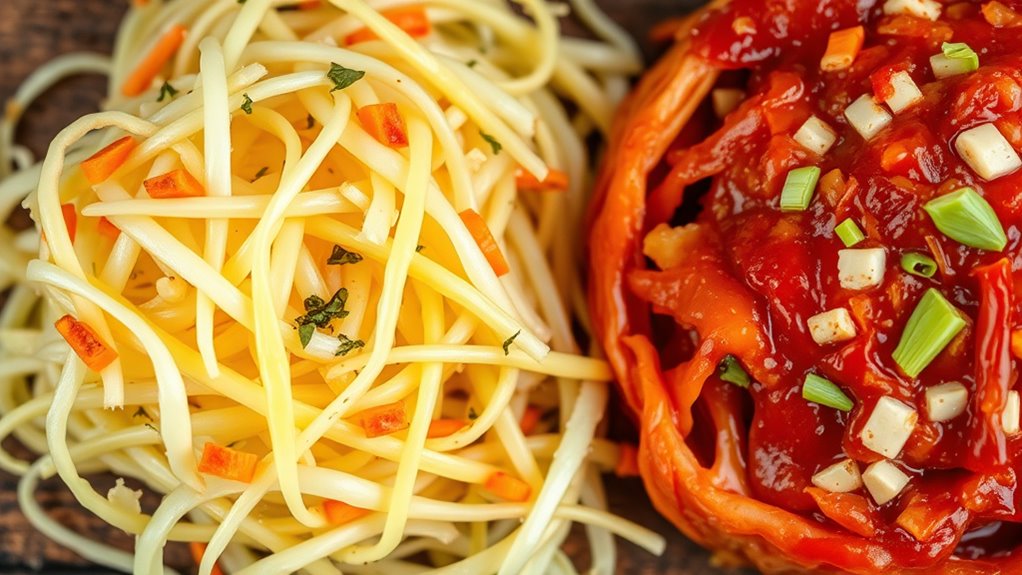
The process of fermenting raw vegetables like cabbage and radishes involves specific fermentation techniques that encourage the growth of good bacteria. Typically, you start by shredding your vegetables, then adding salt or a starter culture to create an environment conducive to fermentation. As the salt draws out moisture and creates an anaerobic environment, naturally occurring bacteria begin to convert sugars into lactic acid. This acid acts as a natural preservative, giving sauerkraut and kimchi their tangy flavors while also enriching the foods with probiotics. Proper fermentation techniques are key to ensuring safety, flavor, and the probiotic benefits of your fermented foods. It’s important to keep the vegetables submerged in their brine and store them at the right temperature, usually around room temperature, to allow the beneficial bacteria to flourish. After a few days to weeks, depending on your taste preference, your fermented vegetables will be ready to enjoy.
Not only do sauerkraut and kimchi provide probiotic benefits, but they also retain most of their raw nutrients because they’re minimally processed. The fermentation process enhances the bioavailability of vitamins like B12, C, and K, making these foods a nutritious addition to your diet. Plus, their complex flavors—ranging from tangy and sour to spicy and savory—can elevate many dishes, from sandwiches to rice bowls. Making your own fermented raw foods at home allows you to control the ingredients, avoid preservatives, and experiment with different fermentation techniques to perfect your flavor profile. Whether you prefer the simple, crisp crunch of sauerkraut or the bold, spicy zest of kimchi, incorporating these fermented raw foods into your meals can be both a healthful and flavorful choice.
fermentation starter culture for vegetables
As an affiliate, we earn on qualifying purchases.
As an affiliate, we earn on qualifying purchases.
Frequently Asked Questions
How Long Do Fermented Raw Foods Stay Safe to Eat?
You can usually enjoy fermented raw foods like sauerkraut and kimchi for several months if stored properly in the fridge. The shelf life depends on how well you seal and store them, but watch for spoilage indicators like off smell, mold, or discoloration. As long as they look, smell, and taste normal, they’re safe to eat. When in doubt, discard to avoid foodborne illnesses.
Can Fermented Foods Be Homemade Without Special Equipment?
Yes, you can definitely make fermented foods at home without special equipment. For DIY fermentation, simple alternatives like glass jars with breathable covers or cloth and rubber bands work well. You just need to make sure your ingredients are submerged and keep everything clean. These equipment alternatives allow you to successfully ferment without investing in specialized tools, making it accessible and easy to enjoy homemade fermented foods.
Are There Any Risks of Consuming Contaminated Fermented Foods?
You might wonder if contaminated fermented foods pose risks, and the answer is yes—fermentation contamination can occur if you don’t follow proper microbial safety practices. Contaminants like harmful bacteria can sneak in, risking foodborne illnesses. Always guarantee your fermentation environment is clean, monitor pH levels, and use trusted recipes. Vigilance protects you from unseen dangers, letting you enjoy the health benefits of fermented foods without the lurking threat of contamination.
How Do Fermentation Techniques Differ Across Cultures?
You’ll notice that fermentation techniques differ across cultures, shaping their unique flavor profiles. For example, some cultures use salt brines, while others rely on natural fermentation without added salt. You might find spicy chili peppers in Korean kimchi, while Eastern European sauerkraut emphasizes a simple salt fermentation. These diverse fermentation methods create rich, cultural flavor profiles, making each fermented food distinct and reflecting local traditions and ingredients.
Can Fermented Raw Foods Be Included in a Low-Sodium Diet?
Yes, you can include fermented raw foods in a low-sodium diet by choosing low-sodium options or making them yourself with less salt. These foods naturally enhance flavor through fermentation, reducing the need for added salt. Just be mindful of portion sizes and check labels or recipes to verify sodium content stays within your dietary goals. Incorporating these foods can boost flavor and gut health without compromising your low-sodium plan.
Conclusion
So, next time you’re tempted to skip the fermented raw foods, remember—they’re basically the superheroes of your gut, fighting off those pesky bad bacteria while giving your taste buds a wild ride. Who knew that a little tangy cabbage or spicy kimchi could be your secret weapon? So go ahead, indulge in these probiotic powerhouses—your digestive system will thank you, and your Instagram will thank you even more for that trendy, healthy glow.
Halloween Picks
halloween
As an affiliate, we earn on qualifying purchases.