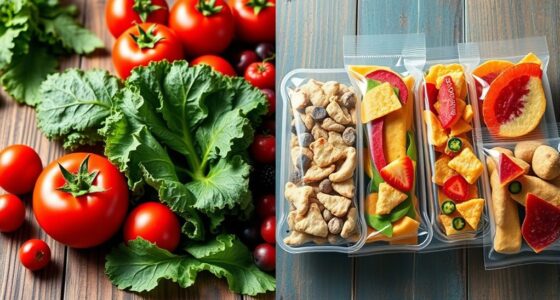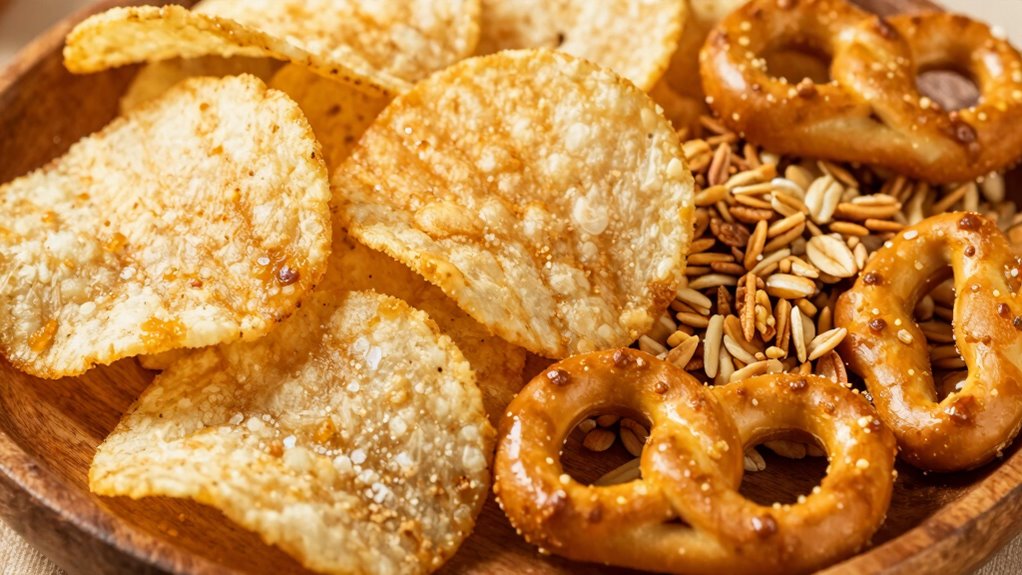

You crave crunch because the crispy texture activates neural pathways associated with pleasure, boosting flavor perception and providing a satisfying sensory experience. The act of biting triggers chemical responses that enhance taste and create feelings of fullness, making snacks more addictive. Crunchy foods also engage your brain’s reward system, helping reduce boredom and stress. If you’re curious about how these mechanisms influence your cravings and eating habits, there’s more to discover just ahead.

Get kitchen staples and gadgets delivered free with Prime
- Fast, free delivery on millions of items
- Prime Video, Amazon Music and more included
- Member-only deals all year
Key Takeaways
- Crunchy textures trigger neural pathways linked to pleasure, making snacks more satisfying and enjoyable.
- The act of crunching releases chemicals that enhance taste perception and promote sensory pleasure.
- Crispy foods amplify flavors like saltiness and spiciness, encouraging repeated bites and cravings.
- The sensory stimulation from crunching provides immediate gratification, satisfying reward-seeking behavior.
- Textural engagement influences overall satisfaction, often overriding hunger cues and reinforcing snack cravings.
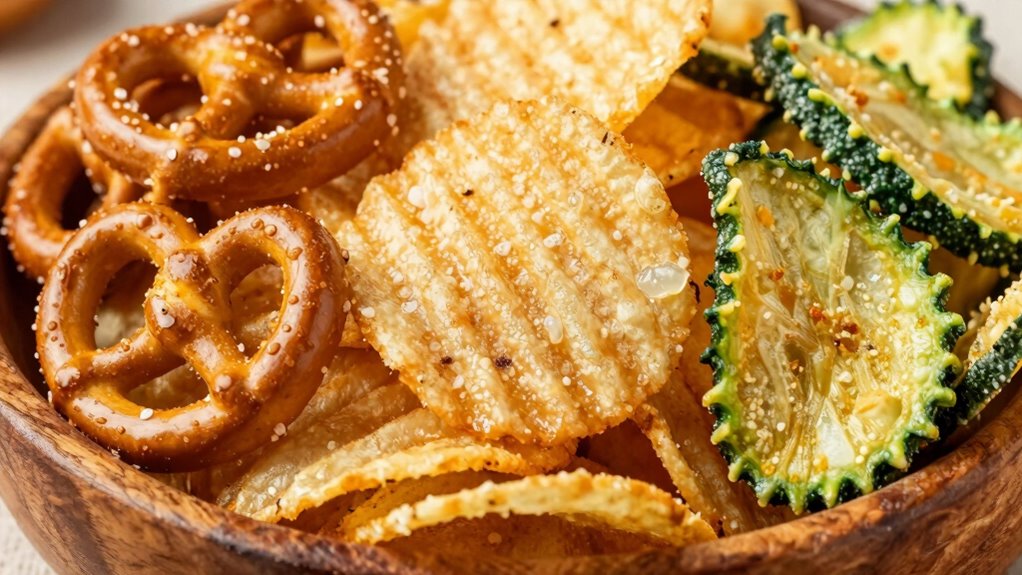
Have you ever found yourself reaching for a bag of chips or a handful of crackers, even when you’re not hungry? That craving for crunch isn’t just about satisfying a snack attack; it’s deeply rooted in how our brains respond to certain textures and sensations. Crunchy foods provide a unique sensory experience that triggers specific responses, making them especially appealing. One key reason you crave crunch is flavor enhancement. When you bite into something crispy, your taste buds experience a burst of intense flavors. The crunch amplifies the perception of saltiness, spiciness, or other bold seasonings, making each bite more satisfying. This heightened flavor sensation keeps you coming back for more, even if your body doesn’t need additional calories. The act of crunching releases certain chemicals in your mouth that heighten taste sensations, making the experience more pleasurable and memorable. Additionally, the sensory stimulation from crunchy foods activates neural pathways linked to pleasure, helping to reduce stress or boredom. This is why snacks like chips and crackers often feel like more than just fuel—they’re a source of sensory engagement. When you chew, your jaw muscles are engaged, and your brain receives signals that reinforce the enjoyment of the activity. This sensory feedback creates a feeling of fullness and contentment that’s not solely dependent on caloric intake but on the sensory experience itself. Moreover, the immediate gratification provided by crunchiness satisfies a quick desire for reward, often overriding your body’s actual hunger cues. The combination of flavor enhancement and oral stimulation makes crunchy foods particularly addictive, tapping into your natural desire for engaging sensory experiences. Recognizing the importance of sensory input can help you better understand your snack cravings and how they influence your eating habits. In fact, texture plays a crucial role in food preferences and overall satisfaction. This neural pathway activation makes crunchy snacks especially compelling, reinforcing their appeal. That’s why, even after a full meal, you might still find yourself craving that satisfying crunch. It’s not just about the taste but about the sensory journey that crunch foods offer—an experience that’s hard to replicate with softer, less textured options. Understanding the neural pathways involved in sensory pleasure can also provide insights into why certain textures are so compelling.
As an affiliate, we earn on qualifying purchases.
Frequently Asked Questions
How Does Crunchiness Affect Brain Satisfaction During Snacking?
Crunchiness boosts your brain satisfaction during snacking by triggering sensory pleasure and a positive neural response. When you bite into something crunchy, your brain releases feel-good chemicals, making the experience more enjoyable. The satisfying texture engages your senses, increasing your perception of fullness and pleasure. This neural response reinforces the craving for crunchy snacks, making them more appealing and memorable, ultimately enhancing your overall snacking experience.
Are Crunchy Snacks More Addictive Than Soft Ones?
Yes, crunchy snacks can be more addictive than soft ones because of the intense texture contrast and sensory engagement they provide. When you bite into a crunchy snack, your brain responds with heightened pleasure, making it harder to stop. The satisfying crunch stimulates your senses and creates a rewarding experience that encourages repeated consumption, often leading to stronger cravings compared to softer, less stimulating snacks.
Can Craving Crunchiness Indicate Nutritional Deficiencies?
You might think craving crunchiness points to a taste for snacks, but it could actually hint at nutritional gaps. Iron or mineral deficiencies can trigger a desire for crunchy foods, as your body seeks to replenish lost nutrients. Ironically, reaching for those potato chips might not fix your mineral deficiencies, but paying attention to your diet could help address these nutritional gaps rather than just satisfying a craving for texture.
How Does Crunchiness Influence Portion Control?
Crunchiness greatly influences your portion control through texture contrast and sensory engagement. When you enjoy crunchy snacks, the satisfying texture encourages you to eat slowly, making it easier to recognize fullness cues. The sensory stimulation keeps you engaged, reducing the likelihood of overeating. By choosing crunchy options, you naturally tend to consume smaller portions because the enjoyable experience enhances satiety and helps you listen to your body’s signals better.
Do Cultural Differences Affect Preferences for Crunchy Foods?
Yes, cultural differences influence your preferences for crunchy foods. Cultural symbolism and traditional preferences shape what textures you find appealing, so in some cultures, crunchy snacks symbolize celebration or prosperity, making them more desirable. You might prefer certain crunchy foods because they connect to your heritage or rituals. These cultural influences guide your taste, making crunchy foods more satisfying or meaningful based on your background and the traditions you follow.
Conclusion
Craving crunch offers more than just a satisfying sound; it’s a sensory reminder of fullness and comfort. While your desire for texture might seem trivial, it reflects deeper needs for nourishment and satisfaction. Embrace the contrast: the crispness of your snack mirrors the simplicity of genuine fulfillment, reminding you that true satiety comes from mindful choices. Sometimes, it’s the smallest crunch that echoes the biggest craving—an invitation to listen more carefully to what your body truly seeks.
Halloween Picks
halloween
As an affiliate, we earn on qualifying purchases.