
![Bread 🍞 [Bonnymama7]](https://thegracefulkitchen.net/wp-content/uploads/2026/09/bread-bonnymama7-featured-1-200x110.jpg)
If you want to make vegan cheese at home, you can choose between fermentation or fast methods. Fermentation takes time but creates complex, flavorful, and probiotic-rich cheese by allowing natural microbes to develop over hours or days. Fast techniques, on the other hand, give you cheese-like textures in just minutes, perfect for quick snacks or toppings. Both methodsUse plant-based ingredients and offer customization options. Keep exploring to discover how each approach can suit your taste and schedule.

Get kitchen staples and gadgets delivered free with Prime
- Fast, free delivery on millions of items
- Prime Video, Amazon Music and more included
- Member-only deals all year
Key Takeaways
- Fermentation develops complex, tangy flavors and requires longer time, while fast methods produce milder cheese-like textures in under 15 minutes.
- Fermentation involves soaking, blending, and probiotic culturing, whereas quick techniques rely on blending and seasoning for immediate results.
- Longer fermentation yields firmer, more matured cheese, whereas fast methods create softer, more adaptable cheese for quick use.
- Fermentation offers health benefits like probiotics but demands monitoring; fast methods are simpler and ideal for busy schedules.
- Both approaches can be customized with herbs, spices, and ingredients to suit different taste preferences and recipes.
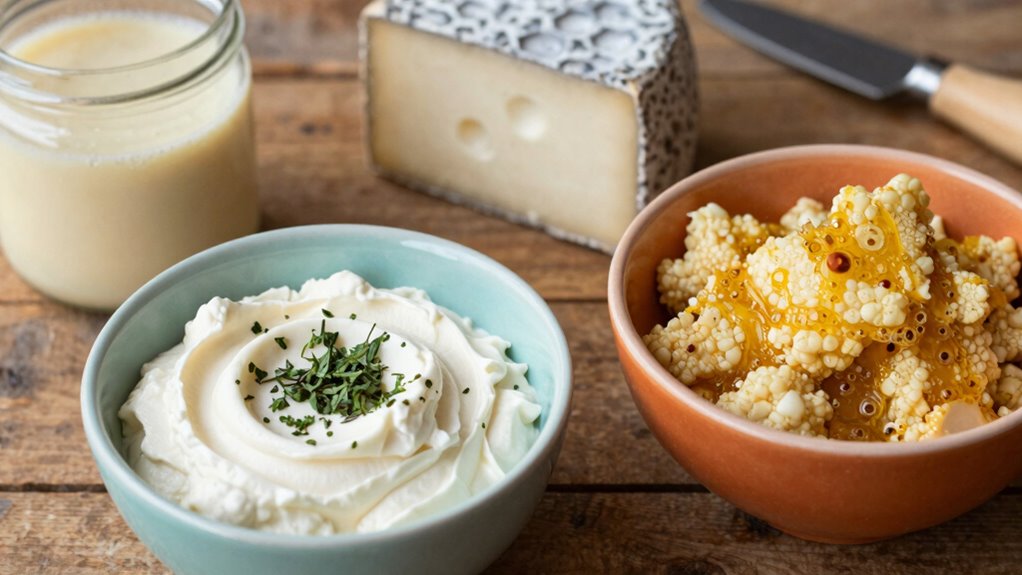
Ever wondered how to make delicious vegan cheese right in your own kitchen? It’s easier than you think, especially when you understand the differences between fermentation and fast methods. When you’re creating dairy alternatives using plant-based ingredients, you’re tapping into a world of flavors and textures that can rival traditional cheese. The key is choosing the right approach for your taste, time, and recipe goals. Fermentation involves allowing your ingredients to develop complex flavors over time, using natural microbial cultures. This method mimics traditional cheese-making processes, resulting in a tangy, matured flavor that’s hard to replicate with quick techniques. It’s perfect if you love experimenting and enjoy the process of crafting cheese that deepens in flavor as it ages. The fermentation process often starts with soaking nuts, seeds, or legumes, then blending them with water, salt, and sometimes probiotics to encourage fermentation. You let this mixture sit at room temperature for several hours or days, depending on the recipe, allowing natural bacteria to work their magic. Over time, the flavors intensify, and the texture becomes firmer or creamier, depending on your ingredients and fermentation duration. Additionally, understanding the fermentation process can help you troubleshoot and optimize your results. It also offers health benefits, such as supporting digestive health through probiotics, making it a nutritious choice. Exploring different fermentation techniques can help you tailor the process to suit your preferences and ingredients. Gaining a basic understanding of microbial cultures can improve your success rate and flavor development. Incorporating proper storage methods can further enhance the longevity and quality of your fermented cheese. However, fermentation requires patience and a bit of attention, as you need to monitor the process to prevent unwanted spoilage.
Fast methods, on the other hand, are perfect if you want quick results without waiting days. These techniques rely on blending, soaking, and adding simple ingredients like nutritional yeast, lemon juice, or vinegar to mimic the cheesy flavor. You can whip up a basic vegan cheese in under 15 minutes using plant-based ingredients like cashews, tofu, or soy. The process involves soaking your nuts or seeds until soft, then blending them with flavor enhancers until smooth. This method is ideal for sandwiches, dips, or toppings when you need a cheese-like element in a hurry. While fast methods may lack the depth of flavor that fermentation develops, they’re incredibly convenient and versatile. You can easily customize the taste by adjusting the seasonings or adding herbs and spices. Plus, they’re great for beginners or when you’re short on time but still want to enjoy a creamy, cheesy spread. Ultimately, both fermentation and fast methods have their place in your kitchen. If you’re patient and love developing complex flavors, fermentation is the way to go. But if you need a quick, reliable solution, fast methods will serve you well. Either way, you’re working with plant-based ingredients to create dairy alternatives that are tasty, nutritious, and tailored to your preferences. So, whether you’re fermenting for depth or blending for speed, you’re transforming simple ingredients into delicious vegan cheese that rivals traditional varieties—right at home.
Frequently Asked Questions
Can Vegan Cheese Be Aged Like Traditional Cheese?
Yes, you can age vegan cheese like traditional cheese. During the aging process, you allow flavors to develop and intensify, giving your vegan cheese a richer taste. Proper aging involves controlling humidity and temperature, which enhances flavor development. However, since vegan cheese lacks the natural fermentation of dairy, the aging might be shorter or different, but it still benefits from time to develop a complex, delicious profile.
What Are Common Allergens in Homemade Vegan Cheese?
You might be surprised, but some homemade vegan cheeses can cause serious allergy issues! Common allergens include nuts like cashews and almonds, soy, and gluten from added grains. When using dairy alternatives, always check labels for potential allergens, and consider allergy considerations before making your own. If you or someone else has food sensitivities, choosing allergen-free ingredients is key to enjoying vegan cheese safely.
How Long Does Homemade Vegan Cheese Last?
Homemade vegan cheese typically lasts about 3 to 7 days in the refrigerator, depending on ingredients and storage. To maximize shelf life, store it in an airtight container and keep it chilled. For longer storage, consider freezing it for up to a month, but note texture changes. Always check for signs of spoilage like an off smell or mold before consuming. Proper storage tips help guarantee freshness and safety.
Is Homemade Vegan Cheese Suitable for Freezing?
You bet, homemade vegan cheese is suitable for freezing. Think of it as saving it for a rainy day. Use dairy-free storage containers or airtight wraps to prevent freezer burn. When ready to enjoy, thaw it slowly in the fridge, and you’ll find it retains its flavor and texture. Just remember, some softer cheeses may change slightly in texture after freezing, so plan accordingly.
Can Vegan Cheese Be Made Without Nuts or Seeds?
Yes, you can make vegan cheese without nuts or seeds by using nutritional alternatives like tofu, coconut milk, or potato starch. These options allow you to customize flavors easily, creating varieties that suit your taste. You might add nutritional yeast for cheesy flavor or spices for extra zing. This approach offers flexibility and guarantees you can enjoy homemade vegan cheese even if you’re avoiding nuts or seeds.
Conclusion
Whether you opt for the gentle art of fermentation or the swift charm of quick methods, crafting vegan “cheese” at home invites you into a world of flavorful possibilities. Each approach offers its own unique touch, allowing you to tailor your creation to your taste and patience. With a little experimentation, you’ll discover delightful nuances that make every bite feel like a warm embrace. Embrace the journey, and let your culinary curiosity lead the way.
Fall Picks
fall essentials
As an affiliate, we earn on qualifying purchases.