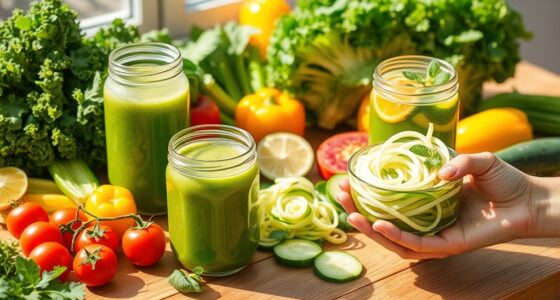

Incorporating raw protein sources like seeds and sprouts can boost your nutrient intake by providing easily digestible, nutrient-rich options that preserve enzymes and heat-sensitive vitamins. Seeds such as chia, hemp, and sunflower pack healthy fats and fiber, while sprouts like alfalfa and mung beans support digestion and nutrient absorption. Proper handling and sourcing are key to safety, and balancing raw with cooked proteins helps minimize discomfort. Explore more insights to optimize your raw protein strategies and enhance your health naturally.

Get kitchen staples and gadgets delivered free with Prime
- Fast, free delivery on millions of items
- Prime Video, Amazon Music and more included
- Member-only deals all year
Key Takeaways
- Seeds like chia, hemp, and sunflower are rich in plant-based protein, fiber, and healthy fats, enhancing nutritional density.
- Sprouts such as alfalfa, mung beans, and broccoli contain high protein levels and digestive enzymes that improve absorption.
- Consuming raw animal proteins like sashimi-grade fish and raw eggs offers complete proteins with preserved omega-3s and enzymes.
- Proper handling, storage, and sourcing are essential to ensure safety and minimize risks of foodborne illnesses.
- Combining raw and cooked proteins and consulting professionals helps optimize nutrient intake and digestive comfort.
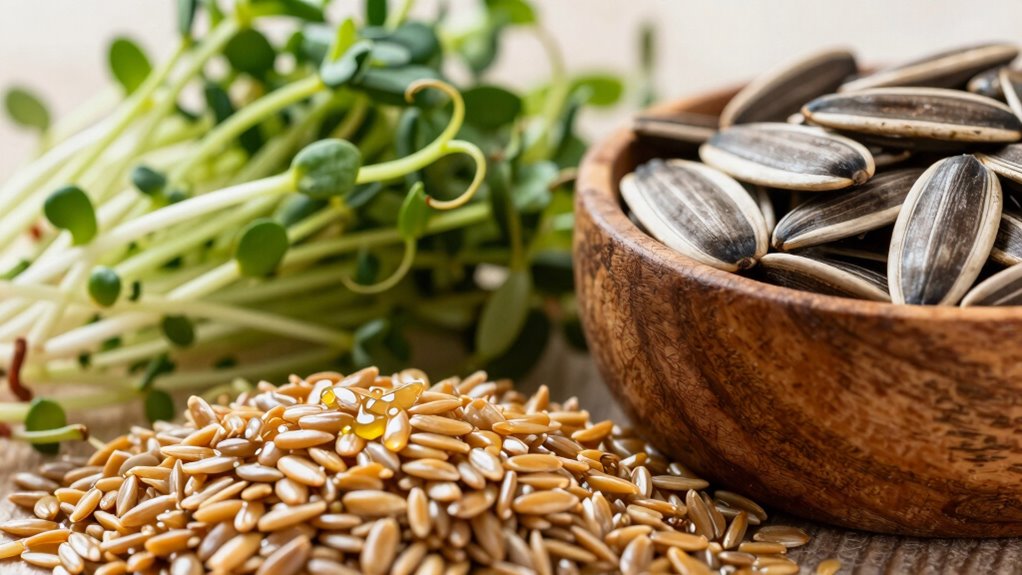
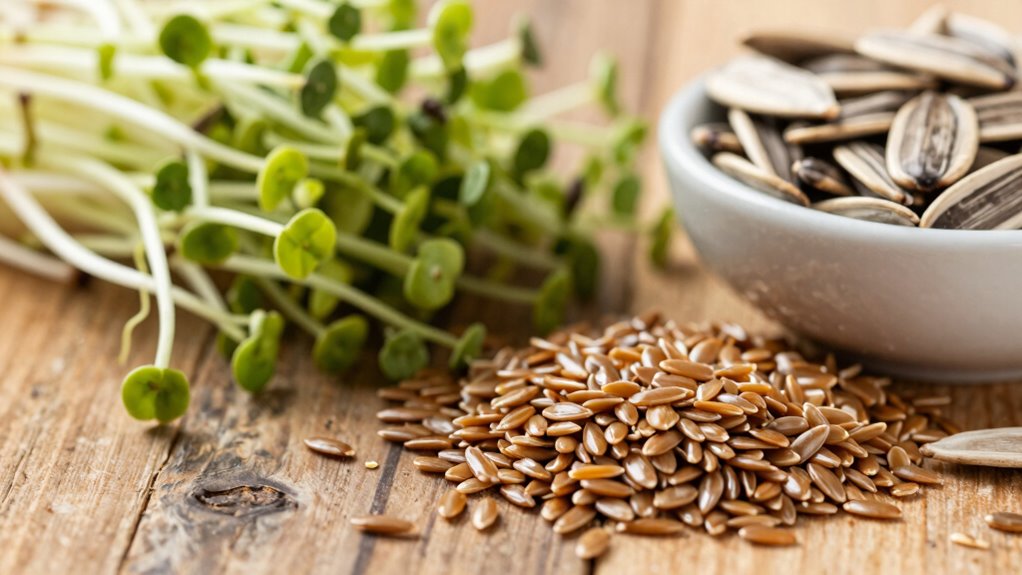
Raw protein sources are gaining popularity among health enthusiasts and athletes because they often retain more nutrients and enzymes than cooked options. When you prioritize raw options, you tap into a broader spectrum of nutrients that can support your overall health and muscle recovery. Seeds and sprouts are among the top plant-based nutrition sources, offering a rich supply of protein that’s easily digestible when raw. Chia seeds, hemp seeds, and sunflower seeds pack a punch of plant-based protein, healthy fats, and fiber. Sprouts like alfalfa, mung beans, or broccoli sprouts are not only high in protein but also contain enzymes that aid digestion and nutrient absorption. Eating these raw preserves their natural enzymes, which can be diminished through cooking, making them more bioavailable for your body. Incorporating raw protein sources into your diet can also enhance your intake of heat-sensitive nutrients, which are often destroyed or reduced during cooking processes. To ensure you’re getting the maximum nutritional benefits, it’s helpful to understand how raw food safety practices can minimize health risks associated with raw animal products. Additionally, understanding the role of enzymes in raw foods can further emphasize the importance of consuming these foods in their uncooked state. Furthermore, choosing properly sourced and handled raw foods can significantly reduce the risk of foodborne illnesses, making informed selection crucial. Incorporating proper storage techniques can also help maintain the freshness and safety of raw foods, ensuring you enjoy their benefits without unnecessary risks.
Raw seeds and sprouts provide easily digestible, nutrient-rich protein and enzymes that support health and recovery.
If you lean toward animal-derived options, raw protein sources like sashimi-grade fish, raw dairy (where safe and legal), or even certain raw eggs can provide high-quality protein with all essential amino acids intact. These animal-based proteins are complete, meaning they include all the amino acids your body needs for muscle repair and maintenance. However, with animal-derived options, safety is paramount—so sourcing from reputable providers and understanding proper handling techniques is *essential* to avoid foodborne illnesses. Raw fish, for example, is often enjoyed in sushi, and its enzymes and omega-3s are preserved in the raw state, which cooking can sometimes diminish.
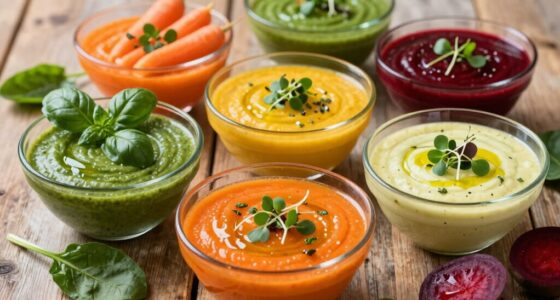
When you incorporate raw protein sources into your diet, you also diversify your intake of other *indispensable* nutrients like vitamins, minerals, and antioxidants that are often heat-sensitive. This approach aligns with a holistic view of nutrition, emphasizing minimally processed foods. To maximize benefits, consider strategies like sprouting seeds and grains to enhance their digestibility and nutrient profile. Blending raw plant-based proteins into smoothies is another effective method, especially when you’re on the go or looking to boost your intake quickly. For animal-based options, *verify* proper handling and freshness to minimize health risks. Embracing a variety of raw proteins can also contribute to a more sustainable diet by reducing reliance on heavily processed or cooked foods, which aligns with principles of sustainable living.
While raw protein sources offer numerous advantages, they aren’t without challenges. Some people may experience digestive discomfort or have difficulty digesting certain raw animal products. Balancing raw and cooked proteins, listening to your body, and consulting with a healthcare professional can help you craft an *ideal*, nutrient-rich diet. Ultimately, whether plant-based or animal-derived, raw protein sources can be a *fundamental* part of your health journey, providing *indispensable* nutrients in their most natural and potent form.
As an affiliate, we earn on qualifying purchases.
Frequently Asked Questions
Are Raw Protein Sources Suitable for All Dietary Restrictions?
Raw protein sources aren’t suitable for everyone, especially if you have dietary restrictions or food allergies. You need to be cautious because seeds and sprouts can trigger allergies or contain anti-nutrients that may cause digestive issues. Always check ingredient labels and consult with a healthcare professional before adding raw proteins to your diet. If you have specific restrictions, opt for cooked or alternative protein sources to stay safe and healthy.
How Do Raw Seeds Compare to Cooked Protein Options Nutritionally?
Raw seeds pack a punch with their seed nutrition, but their protein bioavailability is lower compared to cooked options. Think of raw seeds as hidden gems—rich in nutrients but harder for your body to absorb fully. Cooking breaks down tough seed shells, boosting protein absorption and making nutrients more accessible. So, while raw seeds offer nutritional benefits, cooked proteins often provide easier, more efficient nourishment for your body.
Can Raw Sprouts Cause Foodborne Illnesses?
Yes, raw sprouts can cause foodborne illnesses due to sprout contamination. Bacteria like Salmonella and E. coli thrive in warm, moist environments, making raw sprouts a potential risk if contaminated during sprout production. To guarantee raw seed safety, wash sprouts thoroughly and consider cooking them to reduce risk. Always buy from reputable sources, and be cautious, especially if you have a compromised immune system.
What Are the Best Storage Methods for Raw Seeds and Sprouts?
To keep your raw seeds and sprouts fresh and safe, store them in airtight containers in the refrigerator. Proper seed preservation involves keeping seeds dry and cool to prevent mold. For sprout handling, rinse them thoroughly before storage and consume within a few days. This approach minimizes contamination risk, maintains freshness, and guarantees your raw protein sources stay nutritious and safe to eat.
How Much Raw Protein Should I Include in My Daily Diet?
You should aim for about 46 grams of protein daily if you’re a woman and 56 grams if you’re a man. Notably, about 20-30% of raw protein from plant sources like seeds and sprouts is absorbed efficiently, thanks to their digestive benefits. To optimize protein absorption, include a variety of raw seeds and sprouts in your diet, helping your body utilize these nutrients effectively while supporting overall health.
Conclusion
Incorporating raw seeds, sprouts, and strategic choices into your diet can boost your protein intake naturally. Remember, “You are what you eat,” so prioritize nutrient-dense options and stay consistent. By exploring these raw sources, you empower your health and support your fitness goals. Keep in mind, a little preparation goes a long way—think long-term benefits over quick fixes. Embrace these strategies, and watch your energy flourish with every bite.
Halloween Picks
halloween
As an affiliate, we earn on qualifying purchases.