Switching to a plant-based diet can substantially lower your water footprint by reducing the demand for water-intensive meat production. Producing meat, especially beef, requires thousands of gallons of water per pound, while plant-based foods like vegetables and grains use considerably less water. By choosing plant foods, you help conserve water resources and lessen environmental impacts. If you want to learn more about how your dietary choices can make a difference, there’s plenty more to discover.
Key Takeaways
- Plant-based diets require significantly less water than meat-based diets, reducing overall water consumption.
- Growing crops like grains and vegetables uses less water compared to raising animals for meat.
- Transitioning to plant-based foods helps prevent depletion of water sources and supports sustainable water use.
- Reducing meat intake decreases water pollution from livestock farming and promotes eco-friendly agricultural practices.
- Individual dietary choices in favor of plant-based foods can collectively lessen the global water footprint.
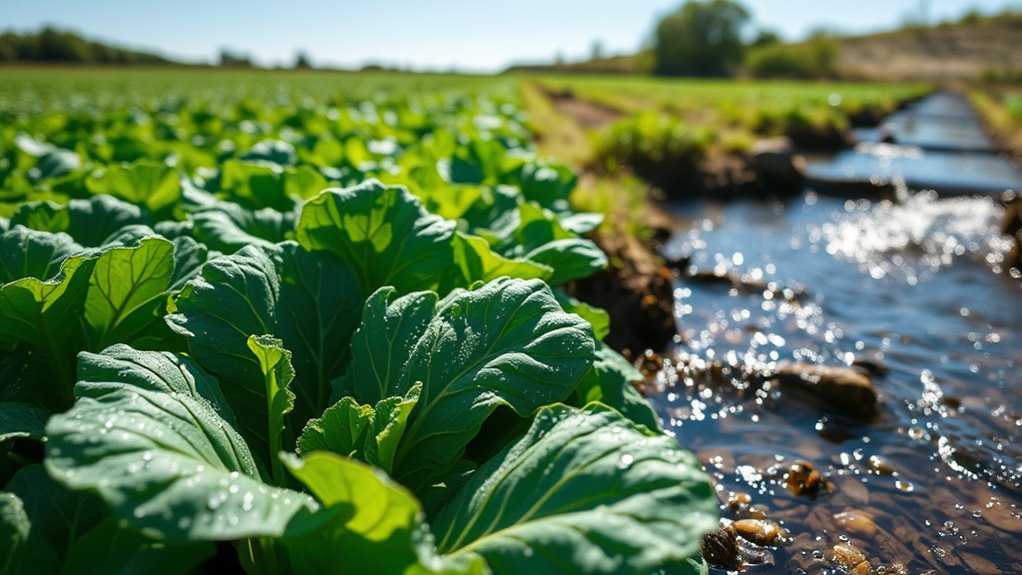
Switching to a plant-based diet can substantially reduce your water footprint, making it an effective way to conserve this essential resource. One of the biggest contributors to water usage in our food system is meat production. Raising animals for meat requires vast amounts of water, not just for the animals to drink, but also for growing the feed they consume. For example, producing just one pound of beef can use up to 1,800 gallons of water, whereas plant-based foods like beans or vegetables typically require far less. By choosing plant-based options, you directly impact water conservation efforts, helping to lower the demand for water-intensive meat products. This simple shift can create a ripple effect, encouraging more sustainable agricultural practices and reducing strain on local water supplies.
When you opt for plant-based foods, you’re making a conscious decision that supports water conservation. Meat production is incredibly resource-heavy, often leading to overextraction of water sources, depleting aquifers, and stressing ecosystems. In contrast, growing crops like grains, legumes, and vegetables generally consumes less water, especially when farmed efficiently. This means your dietary choices can considerably cut down the amount of water needed to produce your food, making a tangible difference in regions where water scarcity is a pressing issue. additionally, reducing your reliance on meat can help shift the agricultural industry toward more sustainable practices, promoting water-saving techniques that benefit entire communities.
Adopting a plant-based diet doesn’t just benefit the environment—it also supports your health and wellbeing. As you incorporate more plant foods into your meals, you participate in a movement that encourages sustainable water use and reduces pollution associated with intensive livestock farming. Meat production often involves high water use alongside other environmental impacts like greenhouse gas emissions and land degradation. By prioritizing plant-based options, you’re helping to decrease these negative effects, fostering a more sustainable food system overall. over time, as more people choose plant-based diets, the cumulative impact on water conservation can be profound, easing stress on water resources and contributing to a healthier planet.
In short, your choice of diet has a direct influence on water conservation efforts. Moving away from meat-heavy meals toward plant-based foods minimizes the water footprint of your diet, conserving precious water resources and promoting more sustainable farming practices. Your decision can inspire others and support broader environmental goals. Every meal becomes an opportunity to make a difference, proving that small, mindful changes in what you eat can have a meaningful impact on water sustainability worldwide.
Frequently Asked Questions
How Do Plant-Based Diets Affect Local Water Resources?
When you adopt a plant-based diet, you help reduce local water use, but it can also decrease soil erosion and lower energy consumption involved in food production. Less water is needed for crops, which helps conserve resources. Plus, planting more plants stabilizes soil, preventing erosion. By choosing plant-based foods, you support a more sustainable system that minimizes environmental impact, benefiting local water resources and overall ecosystem health.
Are All Plant-Based Foods Equally Water-Efficient?
Not all plant-based foods are equally water-efficient, and your choices matter. Crop diversity plays a key role, as some crops like nuts and avocados demand more water than staples like beans or grains. You can promote water conservation by selecting foods that require less water, supporting sustainable farming practices, and diversifying your diet. This way, you help reduce water use and encourage responsible resource management in agriculture.
What Is the Impact of Plant-Based Diets on Water Pollution?
Your plant-based diet can help reduce water pollution by lowering industrial runoff and pesticide contamination. Since plant agriculture generally uses fewer chemicals and less intensive water management than animal farming, it decreases harmful runoff into water sources. By choosing more plant-based foods, you actively contribute to lessening industrial pollutants and pesticide residues in water, promoting a healthier environment and cleaner water supplies for everyone.
How Do Seasonal Changes Influence Water Footprints of Plant Foods?
Like a weather vane in changing winds, seasonal shifts sway water footprints of plant foods. Climate variability and seasonal harvesting cause fluctuations, making some months wetter or drier for crops. You’ll find that during peak harvests, water use spikes, while off-season periods ease the strain. Embracing this rhythm helps you understand how nature’s dance impacts water footprints, reminding you that timing is everything in sustainable eating.
Can Water Footprint Reductions Be Achieved Without Compromising Nutrition?
Yes, you can reduce water footprints without sacrificing nutrition by supporting sustainable farming practices and efficient crop irrigation. Opt for locally grown, seasonal produce to lower water use, as it requires less irrigation. Additionally, choose crops that are suited to your region’s climate, minimizing water waste. This approach helps conserve water while maintaining a balanced, nutritious diet, aligning environmental sustainability with your dietary needs.
Conclusion
By choosing plant-based foods, you can substantially reduce your water footprint—up to 92% less water than animal-based products. Imagine saving nearly a billion gallons of water each year just by adjusting your diet! This simple shift not only benefits the environment but also promotes healthier living. So, next time you plan your meals, consider going plant-based—you’ll be making a positive impact for our planet and your well-being.