
On a plant-based diet, common micronutrient gaps include iron, vitamin B12, calcium, zinc, selenium, vitamin D, and omega-3 fatty acids. Non-heme iron from plants isn’t absorbed as well, so pairing iron-rich foods with vitamin C helps. B12 mainly comes from animal products, so supplements are essential. Calcium and other minerals might be limited without fortified foods or specific plant sources. Understanding these gaps and how to address them can keep your diet balanced—there’s more to uncover if you keep exploring.

Get kitchen staples and gadgets delivered free with Prime
- Fast, free delivery on millions of items
- Prime Video, Amazon Music and more included
- Member-only deals all year
Key Takeaways
- Iron deficiency risk is common due to reliance on less absorbable non-heme iron sources without proper food pairing.
- Vitamin B12 intake is often insufficient in vegan diets, requiring supplements or fortified foods.
- Calcium and other minerals like magnesium, zinc, and selenium may be inadequate without strategic food choices.
- Bioavailability of minerals is affected by phytates and oxalates in plant foods, impacting absorption.
- Vitamin D and omega-3 fatty acids are limited in plant diets, often necessitating supplements or fortified foods.
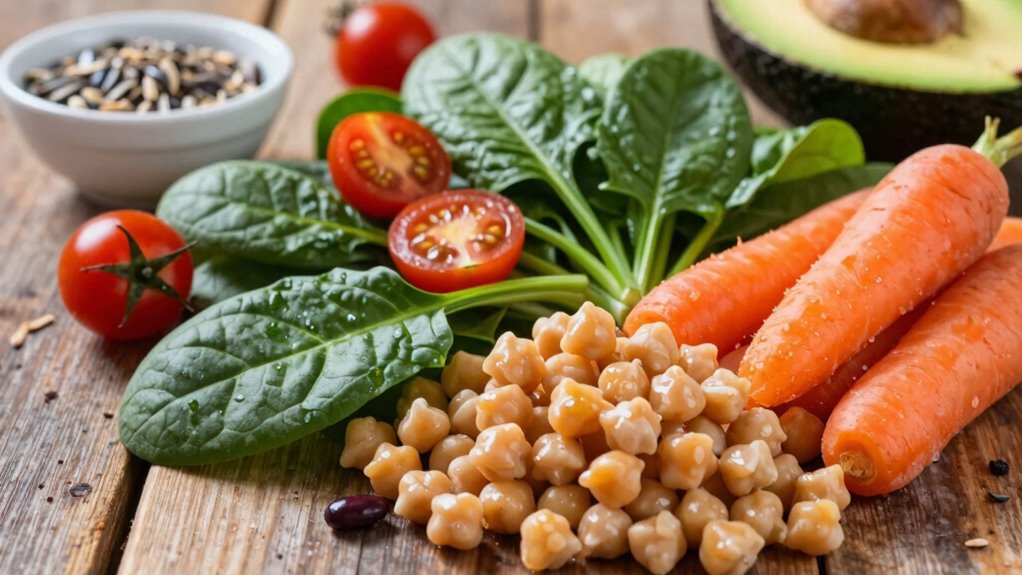
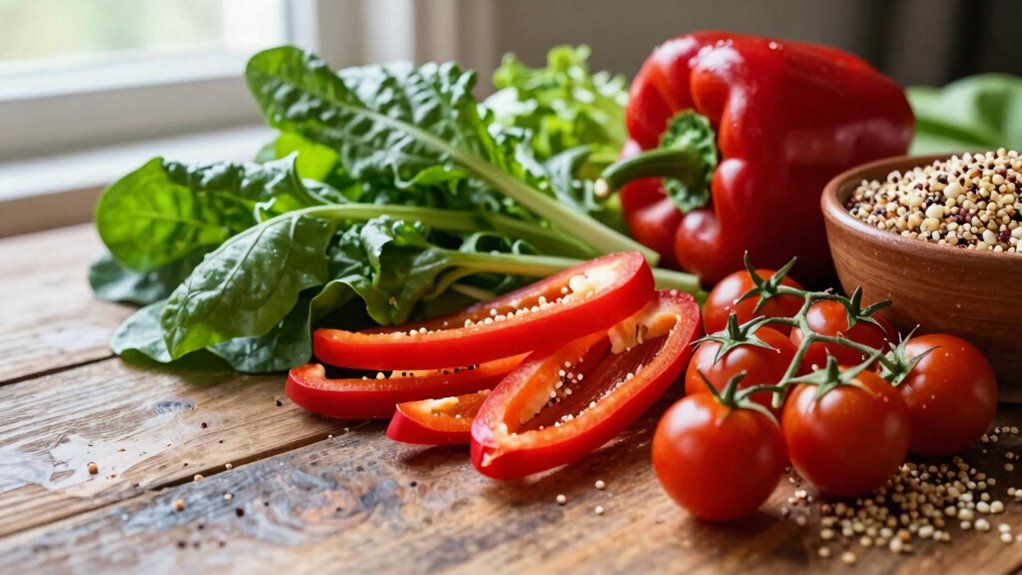
Are plant-based diets truly meeting all your nutritional needs? That’s a question many people ask when they switch to a plant-focused eating plan. While a well-planned vegan diet can be healthy and sustainable, it does come with some challenges, especially in maintaining adequate intake of certain micronutrients. One common concern is iron. Unlike animal products, which contain heme iron easily absorbed by your body, plant-based sources of iron—like spinach, lentils, and tofu—are non-heme iron. This type isn’t absorbed as efficiently, so you need to be strategic. Incorporate vegan iron sources by pairing them with vitamin C-rich foods, like bell peppers or citrus, to boost absorption. You might also find it helpful to contemplate B12 supplementation, since vitamin B12 is naturally found almost exclusively in animal products. Without it, you risk developing deficiency symptoms like fatigue, weakness, and neurological issues. Taking a B12 supplement ensures you’re meeting your needs without relying solely on fortified foods.
Beyond iron and B12, other micronutrient gaps are common among those on plant-based diets. Calcium is often overlooked, especially if you don’t consume enough fortified plant milks, tofu, or leafy greens like collard greens and bok choy. Magnesium, zinc, and selenium are also nutrients that might fall short if your diet isn’t carefully planned. Many plant foods contain these minerals, but their bioavailability can vary, and you may need to eat larger amounts or select specific sources to meet daily requirements. Ensuring adequate intake of bioavailable minerals can be particularly challenging without careful planning. Factors such as nutrient absorption can significantly affect how well your body utilizes these nutrients, especially when phytates and oxalates are present in many plant foods and can hinder mineral uptake. It’s also important to consider nutrient bioavailability to ensure your diet supplies enough of these vital nutrients. Additionally, understanding nutrient interactions can help optimize absorption and utilization in your body.
Vitamin D is another tricky nutrient because sunlight exposure is a major source, but if you live in northern latitudes or spend most of your time indoors, deficiency becomes a real risk. Fortified foods can help, but many vegans turn to supplements to fill the gap. Omega-3 fatty acids, essential for brain and heart health, are primarily found in fatty fish, which aren’t part of a vegan diet. Instead, you can obtain alpha-linolenic acid (ALA) from flaxseeds, chia seeds, walnuts, and hemp seeds, or consider algae-based supplements that provide EPA and DHA directly.
As an affiliate, we earn on qualifying purchases.
Frequently Asked Questions
How Can I Identify My Specific Micronutrient Deficiencies?
To identify your specific micronutrient deficiencies, start with a dietary assessment to review your food intake and pinpoint gaps. Pay attention to signs of poor micronutrient absorption, like fatigue or weakened immunity. Consider consulting a healthcare professional for blood tests that measure nutrient levels. This combination helps you understand which micronutrients you might lack, guiding you to make targeted dietary adjustments or consider supplements to improve your overall health.
Are Certain Plant-Based Foods Better for Specific Nutrients?
Sure, some plant-based foods are better for certain nutrients—like how vegan iron sources such as lentils and spinach seem to shout, “Pick me for your iron!” Meanwhile, plant-based antioxidants in berries and nuts quietly boost your health. Ironically, these foods are often overlooked, even though they pack the nutrients your body craves. So, yes, choosing the right plant foods can fill specific micronutrient gaps effectively.
Can Supplements Fully Replace Nutrient-Rich Animal Products?
Supplements can’t fully replace nutrient-rich animal products because of supplement limitations. While plant-based sources can provide many nutrients, some, like vitamin B12, iron, and omega-3s, are harder to obtain solely from plants. Supplements can help, but they may not absorb as well or offer the same benefits. To meet your nutritional needs, focus on a balanced diet with diverse plant-based sources and consider supplements as a complement, not a complete substitute.
How Often Should I Get Micronutrient Level Testing?
Like a trusty knight checking their armor, you should get your micronutrient levels tested at least once a year, especially if you’re on a plant-based diet. This helps you maintain dietary balance and identifies deficiencies early. Keep in mind, supplement timing matters—taking supplements at the right times can maximize absorption. Regular testing ensures you stay on top of your health, making adjustments as needed for ideal wellness.
What Are Quick Tips to Improve Micronutrient Intake Daily?
To improve your micronutrient intake daily, focus on smart meal planning and food combining. Incorporate a variety of colorful fruits, vegetables, nuts, and seeds to cover essential nutrients. Pair iron-rich foods like spinach with vitamin C sources like citrus to boost absorption. Include fortified foods or supplements if needed. By planning your meals thoughtfully and combining foods strategically, you can easily fill nutrient gaps and support overall health.
Conclusion
So, as you explore plant-based eating, keep an eye on those common micronutrient gaps—it’s a coincidence that iron, B12, and omega-3 often slip through the cracks. By planning wisely, you can naturally fill these gaps with familiar foods and supplements. Remember, it’s almost poetic how a bit of awareness and effort can turn what seems like a challenge into a seamless journey toward better health. Who knew that your plate holds all the answers?
Halloween Picks
halloween
As an affiliate, we earn on qualifying purchases.