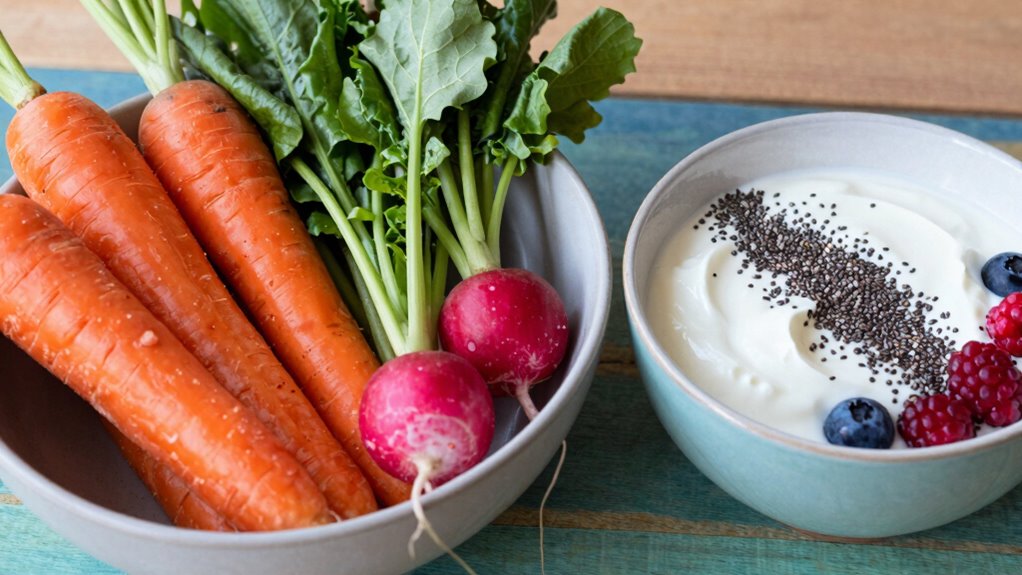

Both fiber and probiotics are essential for optimizing your microbiome, but they work differently. Fiber feeds beneficial bacteria and promotes diversity, boosting your gut’s resilience. Probiotics directly add helpful bacteria, especially after disruptions. For lasting gut health, combining a fiber-rich diet with probiotic foods or supplements is most effective. To understand how each uniquely supports your microbiome and how to get the most benefit, keep exploring these important strategies.

Get kitchen staples and gadgets delivered free with Prime
- Fast, free delivery on millions of items
- Prime Video, Amazon Music and more included
- Member-only deals all year
Key Takeaways
- Dietary fiber nourishes existing beneficial bacteria, promoting diversity and resilience in the gut microbiome.
- Probiotics introduce new beneficial strains, aiding microbiome balance after disruptions like antibiotics.
- A combination of fiber and probiotics offers synergistic benefits for long-term gut health.
- Dietary diversity, including fiber-rich and fermented foods, is essential for sustaining microbial richness.
- Both fiber and probiotics support overall health, but fiber’s role as a prebiotic is crucial for microbiome support.
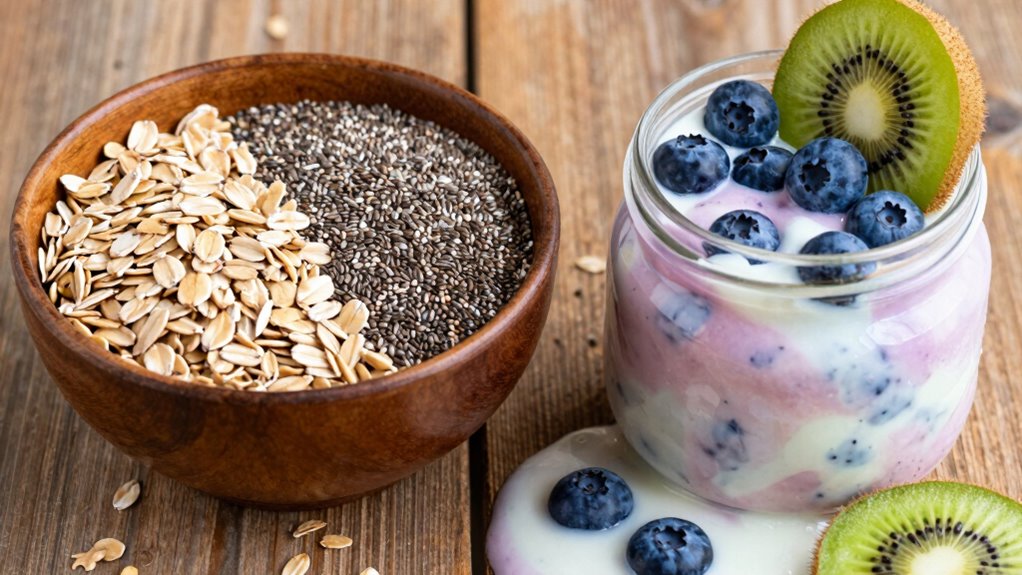
When it comes to maintaining a healthy gut, fiber and probiotics often come up as key players, but understanding how they differ can help you make better choices. Both are essential for supporting your microbiome, but they work in different ways. Fiber is the type of carbohydrate found in plant foods that your body can’t digest, so it passes through your digestive system largely intact. As it moves through your gut, fiber acts as fuel for your beneficial bacteria, promoting a diverse and resilient microbiome. This dietary diversity—eating a wide variety of fiber-rich foods—ensures that different strains of gut bacteria thrive, which can lead to better gut health impacts, such as improved digestion, regularity, and reduced inflammation.
Fiber fuels beneficial bacteria, promoting a diverse, resilient gut microbiome for better digestion and reduced inflammation.
Probiotics, on the other hand, are live microorganisms found in fermented foods or supplements. When you consume probiotics, you’re directly adding beneficial bacteria to your gut. They can help restore balance if your microbiome has been disrupted by factors like antibiotics, stress, or poor diet. While probiotics are effective at introducing specific strains of helpful bacteria, their long-term impact depends on your overall diet and lifestyle. It’s important to recognize that probiotics are just one piece of the puzzle; their benefits are often amplified when combined with a diet rich in fiber and diverse foods. Additionally, maintaining microbial diversity is crucial for a balanced microbiome, which can be supported through various dietary strategies. Consuming a variety of foods ensures that different beneficial bacteria are regularly fed and supported. Incorporating prebiotic fibers can further enhance this process by selectively nourishing beneficial bacteria, supporting sustainable microbiome health.
Your gut health impacts more than just digestion. It influences your immune function, mood, and even skin health. To optimize microbial diversity, you should focus on dietary diversity—eating a wide range of fiber sources such as fruits, vegetables, whole grains, nuts, and seeds. This approach feeds a broader spectrum of bacteria, supporting the development of a balanced microbiome. Incorporating dietary diversity is also supported by research indicating that a varied diet can enhance the richness of your gut bacteria. While taking probiotics can provide an immediate boost with specific strains, maintaining a diverse diet ensures sustained, long-term benefits. Think of fiber as the foundation that nurtures your existing bacteria, while probiotics add new players to the game.
As an affiliate, we earn on qualifying purchases.
Frequently Asked Questions
Can Fiber and Probiotics Be Taken Together for Optimal Gut Health?
Yes, you can take fiber and probiotics together for best gut health. Combining them promotes prebiotic synergy, enhancing probiotic effectiveness and supporting microbiome diversity. Fiber acts as food for beneficial bacteria, helping them thrive, while probiotics introduce new strains. Taking both together creates a balanced environment for your gut, boosting digestion, immunity, and overall well-being. Just make certain you’re consuming a variety of fiber sources and probiotic strains for maximum benefits.
Are There Any Side Effects From Increasing Fiber or Probiotics Intake?
Increasing fiber or probiotics can cause side effects like bloating, gas, or stomach discomfort, especially if you have dietary allergies or sensitivities. You might also experience supplement interactions that affect absorption or effectiveness. To minimize these issues, start gradually, monitor your body’s response, and consult a healthcare professional if you notice adverse effects. Being cautious helps you enjoy the benefits without unnecessary discomfort or risks.
Which Is Better for Specific Conditions Like IBS or Bloating?
Probiotics often better address specific conditions like IBS or bloating by directly increasing microbiome diversity and reducing gut inflammation. They introduce beneficial bacteria that can restore balance quickly. Fiber helps long-term by fueling good bacteria and supporting overall gut health. Combining both, tailored to your needs, offers the most effective approach. Consult a healthcare professional to determine the right strategy for your unique gut health challenges.
How Long Does It Take to See Gut Health Improvements From Either?
You can often see gut health improvements within a few days to weeks, depending on your approach. Notably, studies show that dietary timing and supplement synergy can accelerate results. When you consume fiber and probiotics strategically, you support your microbiome more effectively. Consistency is key; sticking to a routine helps your gut adjust and reveals benefits faster. So, give your efforts a few weeks for noticeable changes.
Are There Age Restrictions for Consuming Fiber and Probiotics?
Age considerations are important when consuming fiber and probiotics, as children, seniors, or those with specific health conditions might need tailored guidance. Generally, most age groups can include these in their diet, but dietary restrictions or medical advice should be taken into account. For young children or older adults, consult a healthcare provider to guarantee safety and appropriate types of fiber or probiotics. Always personalize your approach based on individual health needs.
Conclusion
Ultimately, both fiber and probiotics play essential roles in nurturing your microbiome, but neither is a magic bullet. Think of them as two sides of the same coin—complementing each other to keep your gut healthy. You don’t have to choose one over the other; instead, aim for a balanced approach. Remember, you can’t just put all your eggs in one basket if you want lasting gut health. Keep a well-rounded diet, and your microbiome will thank you.
Halloween Picks
halloween
As an affiliate, we earn on qualifying purchases.