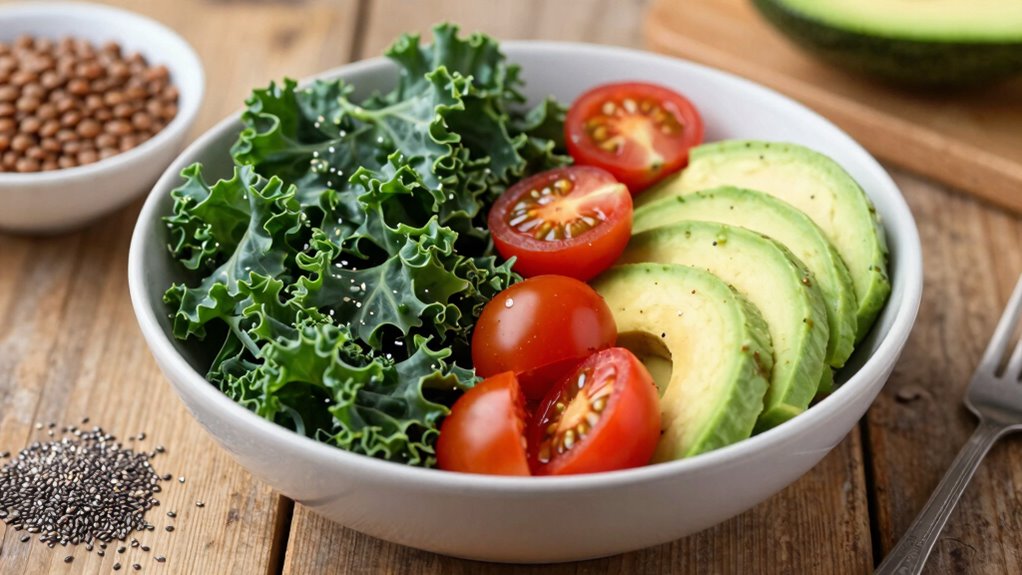

A plant-based diet rich in fiber, protein, and iron can help you manage perimenopause symptoms naturally. Incorporate foods like legumes, whole grains, fruits, and vegetables to support hormone regulation and digestion. Fiber keeps your energy stable and helps eliminate excess hormones, while plant proteins sustain your strength and immunity. Iron from sources like leafy greens and seeds boosts energy and bone health. Keep exploring to discover simple ways to optimize your nutrition during this shift.

Get kitchen staples and gadgets delivered free with Prime
- Fast, free delivery on millions of items
- Prime Video, Amazon Music and more included
- Member-only deals all year
Key Takeaways
- Incorporate soy, flaxseeds, and legumes to support hormonal balance with phytoestrogens during perimenopause.
- Consume high-fiber foods like oats, fruits, and vegetables to aid digestion and regulate mood swings.
- Include plant-based proteins such as beans, lentils, and nuts to maintain energy and muscle mass.
- Eat iron-rich plant foods paired with vitamin C sources to prevent deficiency and support bone health.
- A diverse plant-based diet promotes hormone detoxification, overall health, and symptom management during perimenopause.
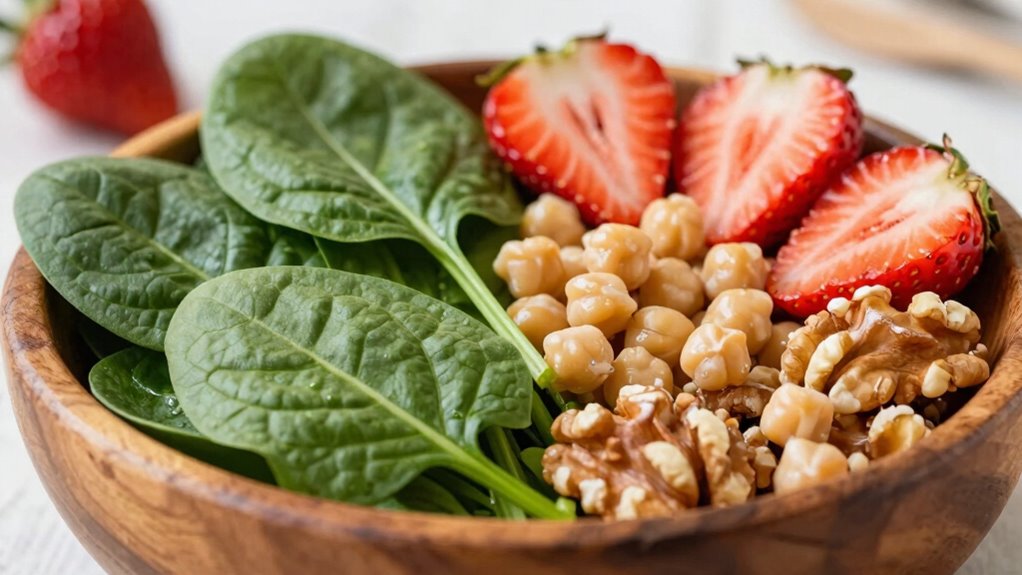
As you navigate the changes of perimenopause, adopting a plant-based diet can offer valuable support for managing symptoms and maintaining overall health. One of the key benefits is promoting hormonal balance, which helps regulate mood swings, hot flashes, and other common issues. Plant foods are rich in phytoestrogens—natural compounds that mimic estrogen in the body—helping to stabilize hormone levels during this *passage*. Incorporating soy, flaxseeds, and legumes can provide these benefits, supporting your body’s natural hormone production and reducing fluctuations that contribute to discomfort.
Supporting hormonal balance with plant foods like soy, flaxseeds, and legumes during perimenopause.
Fiber plays a *fundamental* role in your diet during perimenopause. It not only aids digestion and keeps you regular but also helps manage weight and stabilize blood sugar levels. High-fiber foods like oats, fruits, vegetables, and whole grains slow down the absorption of sugars into your bloodstream, which can lessen energy dips and mood swings. Additionally, fiber contributes to hormonal balance by helping your body eliminate excess hormones and toxins through bowel movements. This process can reduce the severity of symptoms like breast tenderness and irritability, common during perimenopause. Supporting hormone detoxification is especially important during this phase, as hormonal fluctuations can significantly impact your well-being. Incorporating detoxification support through diet can enhance your body’s natural ability to balance hormones effectively. A diet rich in fiber also promotes a healthy gut microbiome, which is increasingly recognized for its role in hormone regulation and overall health. Maintaining a diverse and balanced gut flora can also influence the production and metabolism of hormones, further supporting your health during this time.
Protein is essential for maintaining muscle mass, supporting immune function, and promoting overall *well-being*. Plant-based sources such as beans, lentils, nuts, seeds, and tofu provide abundant protein without the saturated fats found in some animal products. Adequate protein intake can help you sustain energy levels and prevent unwanted weight gain, which is often a concern during perimenopause. Plus, plant proteins come with beneficial nutrients like fiber, antioxidants, and healthy fats, enhancing your overall nutritional profile.
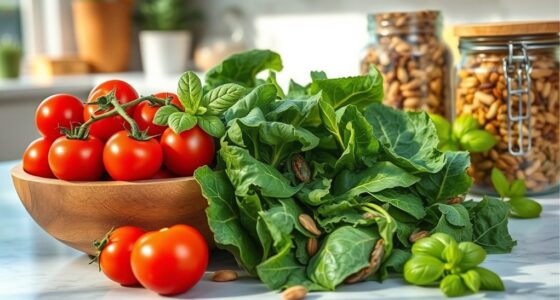
Iron is another *significant* nutrient during this phase, especially since hormonal fluctuations can lead to heavier or irregular periods, increasing your risk of iron deficiency. Plant-based iron sources include spinach, Swiss chard, lentils, pumpkin seeds, and fortified cereals. To maximize absorption, pair these foods with vitamin C-rich options like bell peppers or citrus fruits. Adequate iron levels support your energy levels, prevent fatigue, and contribute to bone health—*important* as estrogen decline can accelerate bone loss. Maintaining strong bones is *essential*, and a diet rich in plant-based iron, combined with weight-bearing exercise, can help preserve bone density over time. Recognizing the importance of nutrient absorption can also help you make more effective dietary choices to meet your needs. Additionally, understanding how nutrients interact within the body can guide you in optimizing your diet for better health outcomes during perimenopause.
Incorporating a variety of plant foods that supply fiber, protein, and iron can make a significant difference in how you feel during perimenopause. Not only do these nutrients promote hormonal balance and support bone health, but they also boost your overall *health*. With mindful choices, you can navigate this phase more comfortably and maintain your health for years to come.
plant-based protein powder for women
As an affiliate, we earn on qualifying purchases.
As an affiliate, we earn on qualifying purchases.
Frequently Asked Questions
Can Plant-Based Diets Help Reduce Perimenopausal Hot Flashes?
Yes, a plant-based diet can help reduce perimenopausal hot flashes. By incorporating herbal remedies like black cohosh and lifestyle adjustments such as regular exercise and stress management, you may experience relief. Eating fiber-rich foods, plant proteins, and iron supports hormonal balance and overall health. These combined strategies can ease hot flashes naturally, making your shift smoother and more manageable.
Are Supplements Necessary When Following a Plant-Based Perimenopause Diet?
Supplements can be helpful, but they’re not always necessary if your plant-based diet is well-planned. You should consider them if you’re concerned about supplement efficacy and nutrient absorption, especially for nutrients like vitamin B12, iron, or omega-3s, which can be harder to get from plants alone. Consulting with a healthcare provider or nutritionist guarantees you’re filling any gaps effectively and safely, optimizing your diet’s benefits during perimenopause.
How Does Plant-Based Nutrition Impact Hormonal Balance During Perimenopause?
You might feel overwhelmed by hormonal fluctuations, but plant-based nutrition can help stabilize them. By incorporating foods rich in phytoestrogens, you promote hormonal stabilization naturally. These plant compounds mimic estrogen, easing symptoms and balancing your hormones during perimenopause. Embracing this approach brings hope and empowerment, transforming uncertainty into confidence. Your diet becomes a powerful tool, supporting your journey with phytoestrogen benefits that nurture your body from within.
What Are the Best Plant Sources of Calcium for Bone Health?
You should focus on plant calcium sources like leafy greens, broccoli, almonds, sesame seeds, and fortified plant milks. These foods enhance calcium absorption because they contain vitamin K and magnesium, which help your body utilize calcium effectively. Including a variety of these sources in your diet supports bone health during perimenopause, ensuring you get enough calcium from plant-based options to maintain strong bones and prevent osteoporosis.
Is It Possible to Meet All Nutrient Needs on a Vegan Perimenopause Diet?
Yes, you can meet all your nutrient needs on a vegan perimenopause diet. Focus on diverse vegan protein sources like legumes, tofu, and quinoa to guarantee adequate protein intake. To enhance iron absorption, pair iron-rich foods with vitamin C sources such as citrus or bell peppers. Incorporating a variety of plant foods helps you get essential nutrients, supporting bone health, energy levels, and overall well-being during this change.
Conclusion
Embracing plant-based nutrition during perimenopause is like tending a thriving garden—you nurture your body with fiber, protein, and iron, helping it flourish through hormonal changes. By choosing whole foods, you support your energy, mood, and overall health. Remember, small daily choices can make a big difference—just like watering your plants regularly. Stay committed, and you’ll cultivate a vibrant, resilient you, ready to bloom through every phase of this journey.
Halloween Picks
halloween
As an affiliate, we earn on qualifying purchases.