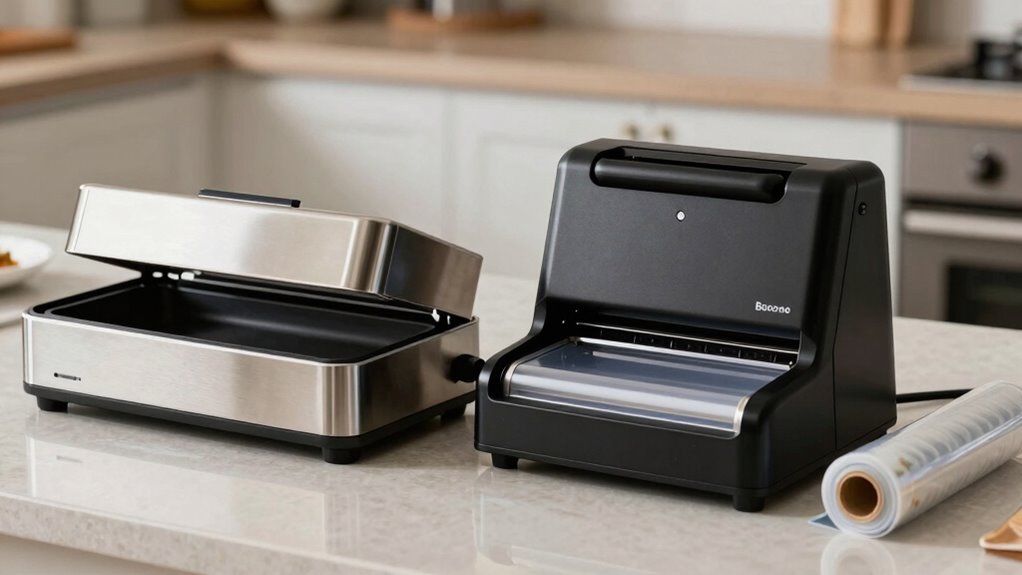
Chamber vacuum sealers are built with a sealed compartment that removes air from both the bag and environment, providing a more reliable, airtight seal ideal for large quantities and liquids. External sealers use a nozzle and vacuum pump to extract air from just the bag, making them smaller and easier to operate but less effective for liquids and bulk packaging. To find out which suits your needs best, explore the key differences further below.
Key Takeaways
- Chamber vacuum sealers remove air from both the bag and the entire chamber, providing a more airtight and reliable seal compared to external sealers.
- External vacuum sealers attach the bag to a nozzle and remove air externally, suitable for smaller quantities and less delicate foods.
- Chamber models excel at sealing liquids and bulk items, offering better preservation and longer shelf life; external models are ideal for dry, small-scale use.
- External sealers are generally more affordable and compact, while chamber sealers have higher upfront costs but greater durability and capacity.
- The choice depends on preservation needs, volume, budget, and space; chamber sealers suit frequent, large-scale, or delicate sealing tasks.
How to Choose the Best Vacuum Sealer for Your Needs
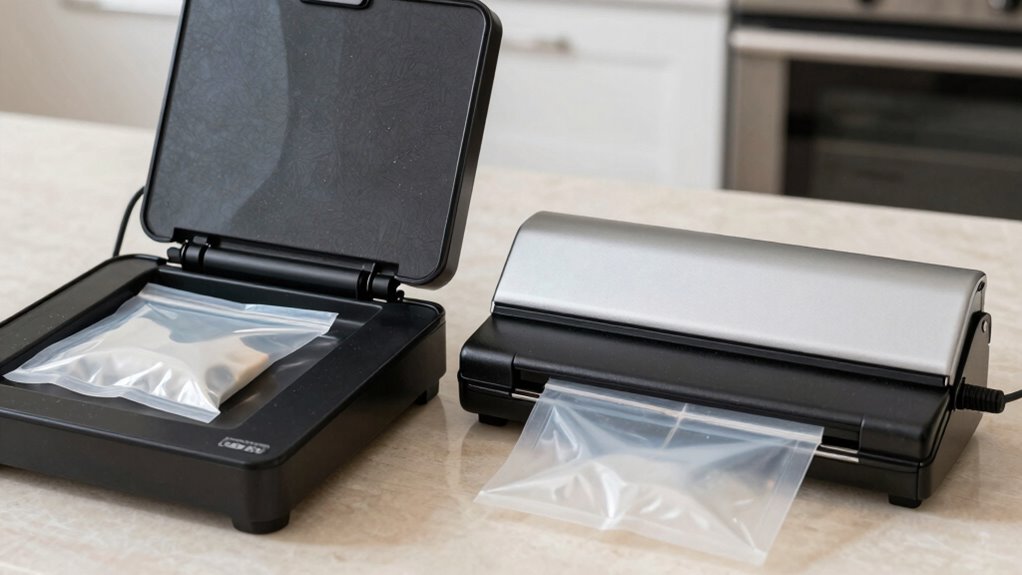
Choosing the right vacuum sealer depends on your specific needs and how you plan to use it. For food preservation, consider whether you want a simple external model or a more advanced chamber sealer. External sealers are usually more affordable and suitable for occasional use, perfect for sealing snacks or leftovers. If you frequently preserve large quantities of meat, produce, or bulk items, a chamber vacuum sealer offers better reliability and higher quality seals. Think about your kitchen appliances and space as well—compact models fit smaller kitchens, while larger, professional-grade sealers suit serious food preservation. Additionally, color accuracy in sealing and packaging can impact the visual appeal and quality of stored items. When selecting a vacuum sealer, understanding the technology involved can help you make an informed decision. Recognizing the different types of vacuum sealers can guide you toward a model that aligns with your preservation goals. Clearly defining your needs helps you select a vacuum sealer that fits your budget, enhances your food storage, and ensures your kitchen stays organized. Furthermore, exploring the latest innovations in vacuum sealing can offer insights into features that improve efficiency and convenience. For example, being aware of privacy policies and how your data is handled can help you choose brands that prioritize user privacy and security.
What Are Chamber and External Vacuum Sealers? An Overview
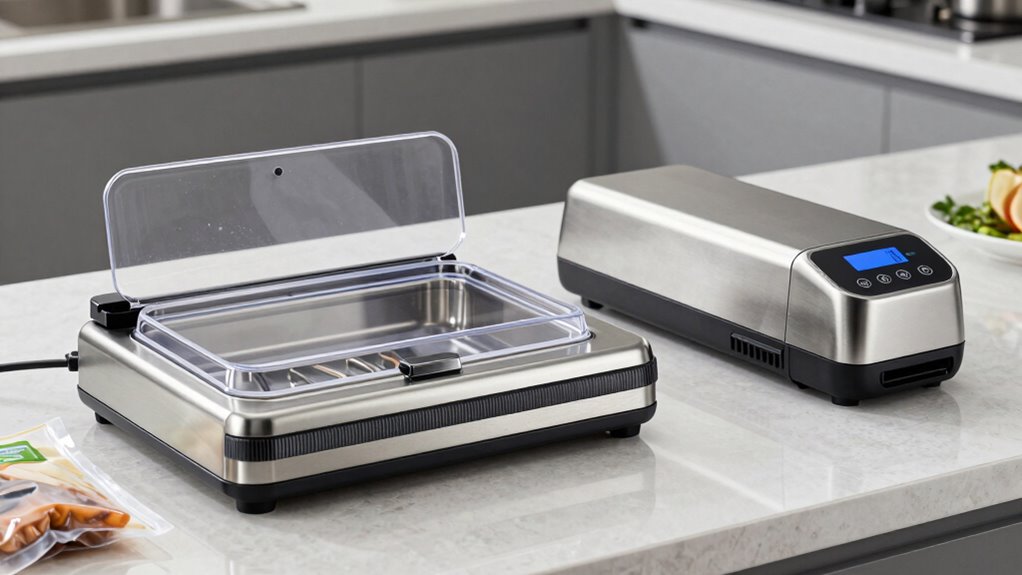
Vacuum sealers come in two main types: chamber and external models, each designed for different levels of use and convenience. Chamber sealers are built with a sealed compartment where the bag is placed, allowing air to be removed from both inside and outside the bag simultaneously. This design is ideal for food preservation and handling large quantities, as it provides a consistent, tight seal. Additionally, chamber sealers often feature higher vacuum strength, making them more effective for commercial applications. They also tend to have greater sealing capacity, which is beneficial for bulk packaging needs. External vacuum sealers, on the other hand, work by attaching the bag to a nozzle and removing air externally. They are more compact and suitable for everyday use with packaging materials like rolls and pre-made bags. Both types help extend food freshness, but their features and capacities differ, making each suitable for specific needs and volume levels. Moreover, the seal quality of chamber sealers tends to be more reliable, reducing the risk of leaks or broken seals during storage. This increased reliability is particularly important when sealing liquids or delicate items. For those considering home versus professional use, understanding these distinctions can help in selecting the most appropriate vacuum sealing method for your needs.
How Do Chamber Vacuum Sealers Keep Food Fresh?
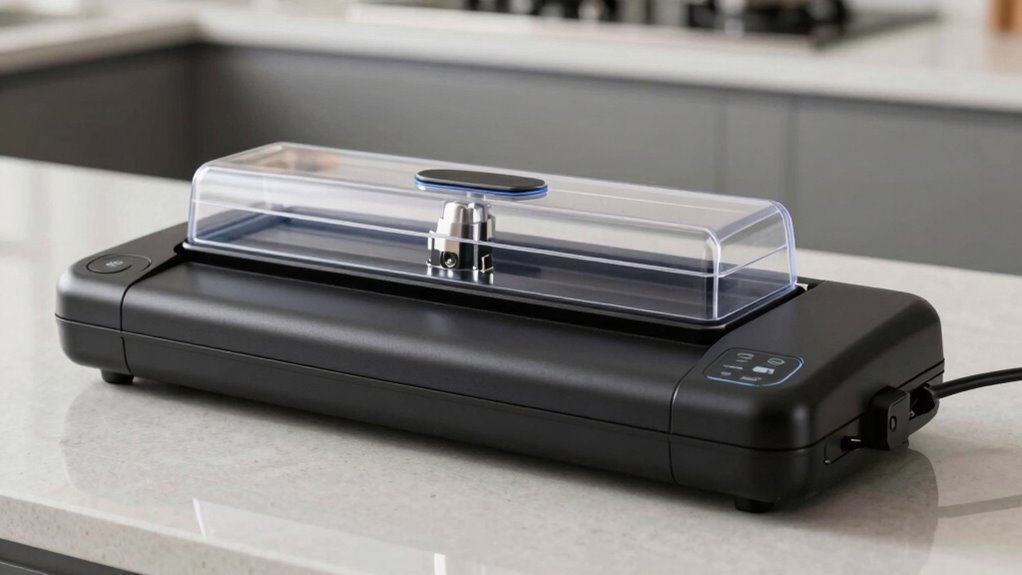
Chamber vacuum sealers keep food fresh by removing air from the entire sealed environment, which prevents oxidation and slows bacteria growth. This advanced vacuum technology creates a perfect seal, preserving flavors, nutrients, and texture longer. With this method, you can store large quantities of food without worry. Imagine:
- Enjoying fresh, flavorful meals weeks later
- Reducing food waste and saving money
- Having confidence in your food preservation skills
Additionally, the vacuum environment ensures consistent preservation results, making it easier to maintain the quality of your stored foods. Proper sealing techniques also contribute to preventing spoilage and maintaining optimal freshness over time. Understanding the vacuum sealing process can help you achieve the best results and maximize the shelf life of your foods. Knowing how to control air removal effectively is crucial for optimal preservation. For example, mastering the sealing cycle can significantly impact the longevity of your stored items.
How External Vacuum Sealers Work: A Simple Explanation
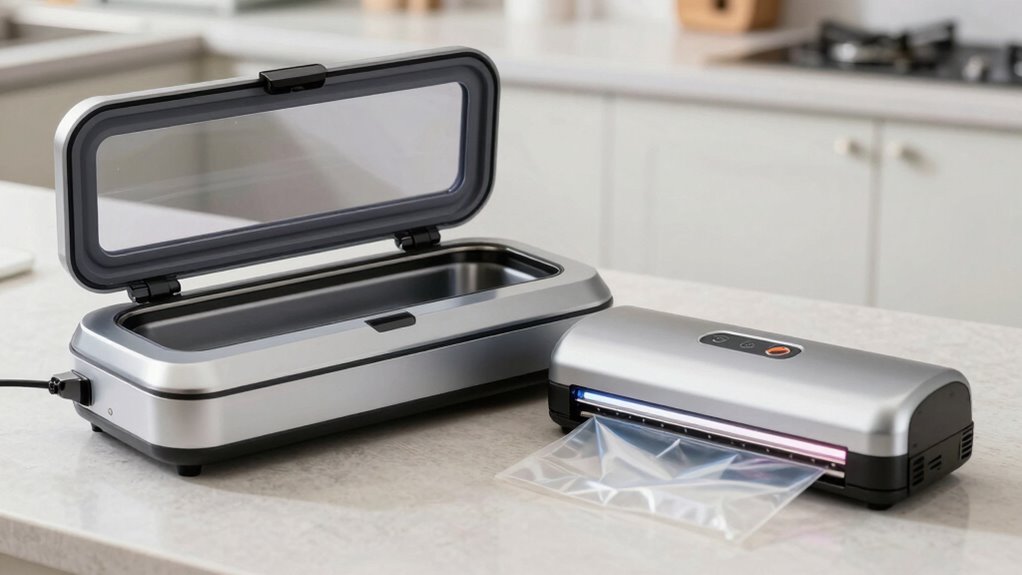
External vacuum sealers work by removing air from the bag or pouch containing your food, then sealing it shut to lock in freshness. They use a vacuum pump to create a tight seal by extracting air from the bag’s interior. During the sealing process, the vacuum pump efficiently removes most of the air, reducing oxygen and inhibiting bacterial growth. Once the air is evacuated, the sealer heats the open edge of the bag to create a secure, airtight seal. This process guarantees your food stays fresh longer and prevents freezer burn. External vacuum sealers are user-friendly and ideal for smaller quantities or occasional use. They work quickly and effectively by relying on the vacuum pump to do the heavy lifting in removing air before sealing.
Comparing the Pros and Cons of Chamber and External Sealers
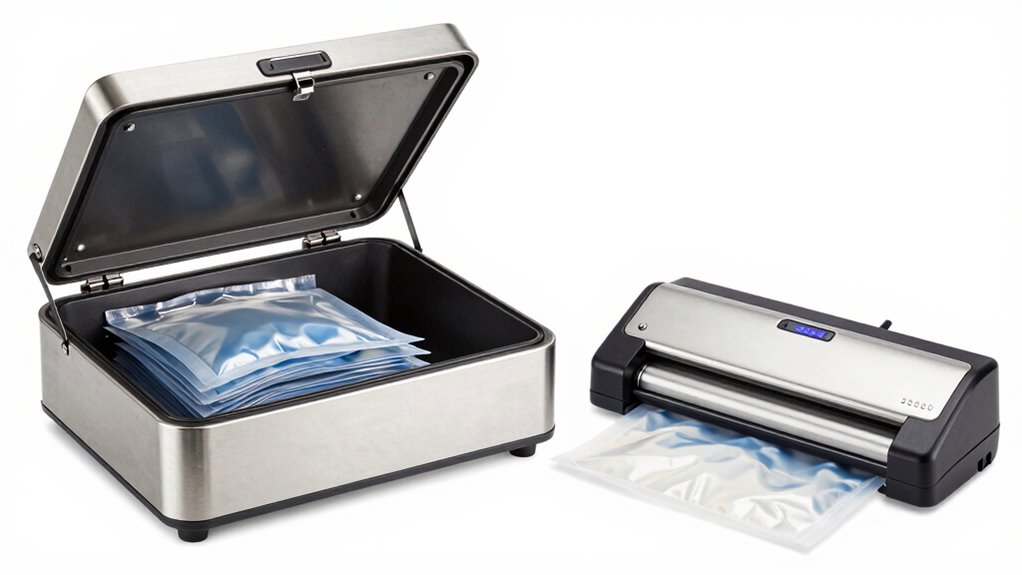
When choosing between chamber and external vacuum sealers, understanding their respective advantages and disadvantages can help you make an informed decision. Chamber sealers excel in food preservation, offering superior sealing technology that handles liquids and delicate items better. They often provide more consistent, airtight seals, reducing spoilage. External sealers, on the other hand, are more compact and affordable, making them ideal for casual use. However, they may struggle with moist foods and larger quantities. Consider these points:
Choosing the right vacuum sealer depends on your needs: chamber models excel with liquids, while external units are more portable.
- Chamber sealers deliver higher quality seals for complex food preservation needs.
- External sealers are portable and easier to operate for everyday tasks.
- Sealing technology in chamber models minimizes waste and maximizes shelf life.
- Vacuum sealing technology continues to evolve, offering better performance and user convenience.
- The speed and efficiency of sealing in chamber models can significantly impact your food storage process.
- Additionally, advancements in vacuum pump design contribute to quieter operation and longer-lasting seals, enhancing overall user experience.
A smart maintenance system integrated into modern vacuum sealers can alert you when parts need replacement or service, ensuring optimal operation and longevity.
Knowing these differences helps you choose the right tool to preserve your food effectively.
Which Vacuum Sealer Is Better for Home Use?
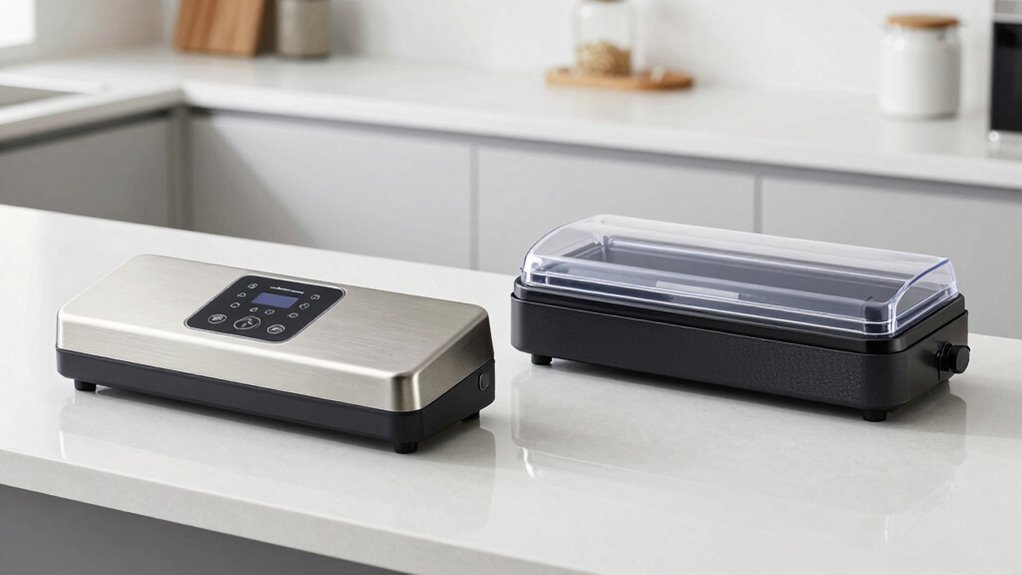
When choosing a vacuum sealer for home use, you’ll want to contemplate how easy it is to operate, along with the overall cost and maintenance. External sealers are typically more affordable and simpler to use, making them a popular choice for everyday needs. However, chamber sealers, though pricier, might save you time and effort in the long run. Additionally, considering the types of essential oils you might store, a chamber sealer can better preserve delicate scents and prevent cross-contamination over multiple uses. The sealing method can also impact the overall effectiveness and convenience, with chamber sealers generally providing a more consistent seal due to their design. Furthermore, safety features are an important consideration to ensure the sealer operates reliably and securely over time. Incorporating smart‑home integrations can also enhance control and monitoring of the sealing process, especially if you already use connected devices in your kitchen. Understanding the differences in vacuum pressure between models can help optimize preservation quality and extend the shelf life of your stored items.
Ease of Use
Choosing the right vacuum sealer for home use depends largely on how easy it is to operate. If you value simplicity, automatic features make sealing effortless—just place your bag, press a button, and let the machine do the work. Manual operation, on the other hand, requires you to control the process, which can be rewarding but may take more time and effort. Consider these factors:
- Ease of use brings peace of mind, especially after long days.
- Automatic features save time and reduce user error.
- Manual operation offers control but demands attention and skill.
If you want quick, hassle-free sealing, go for models with automatic functions. If you enjoy a hands-on approach, manual operation might suit you better. Either way, ease of use makes the process more enjoyable and less frustrating.
Cost and Maintenance
Cost and maintenance are key factors to contemplate when selecting a vacuum sealer for home use. Pricing strategies vary between chamber and external models, with external sealers usually costing less upfront but potentially needing more frequent repairs. Chamber sealers tend to have higher initial prices, but their durability might offset these costs over time. Maintenance requirements also differ; external sealers often need regular replacement of seals and vacuum bags, while chamber models require occasional cleaning and checking of internal components. Consider how often you’ll use the device and your budget. If you want a more budget-friendly option with straightforward upkeep, an external vacuum sealer may suit you. However, if you prioritize durability and consistent performance, investing in a chamber sealer might be more cost-effective long-term.
Things to Consider When Buying a Vacuum Sealer (Capacity, Cost, Efficiency)
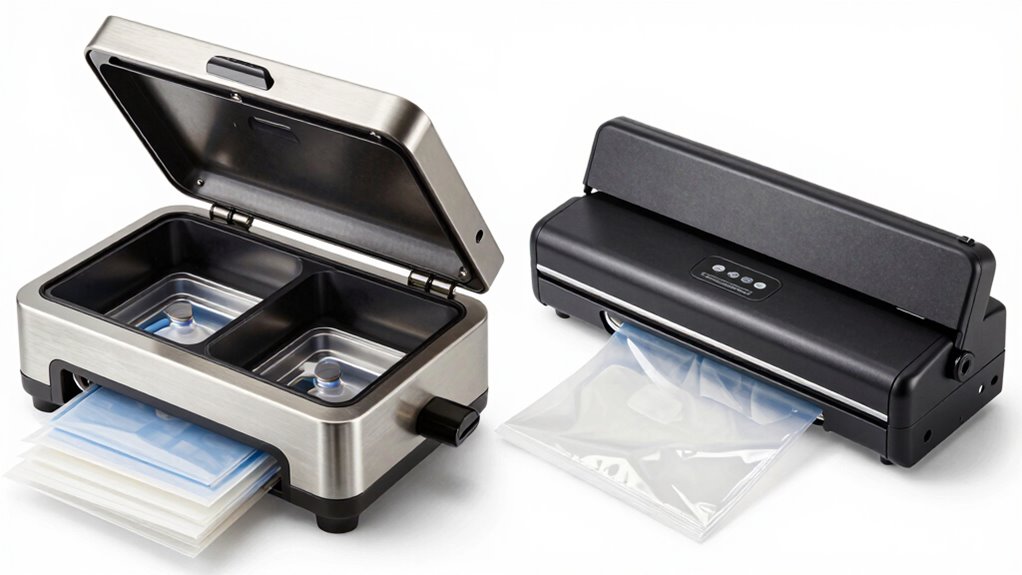
When choosing a vacuum sealer, you need to take into account its sealing capacity and size to match your storage needs. Budget and long-term costs also matter, since some models cost more upfront but save money over time. Additionally, look at energy use and efficiency to ensure your purchase is both effective and economical. For outdoor or emergency use, consider the water purification features of certain models to ensure your food and water stay safe.
Sealing Capacity and Size
Sealing capacity and size are crucial factors to contemplate because they directly affect how much and what type of items you can vacuum seal efficiently. Your choice depends on the volume of food or items you plan to process regularly. Consider the size options available, as larger units can handle bigger cuts or bulk packaging, saving you time.
Think about:
- The joy of sealing large cuts of meat or multiple portions in one go.
- The convenience of compact models that fit easily in your kitchen.
- The confidence of choosing a sealer that matches your storage needs without compromise.
Picking the right sealing capacity and size ensures you won’t be limited when sealing your favorite foods or preparing for future meals.
Budget and Long-term Costs
Budget and long-term costs are essential factors to weigh because they influence how much you’ll spend upfront and over time. When choosing between chamber and external vacuum sealers, consider the initial investment in relation to your storage solutions needs. Chamber sealers often have higher upfront costs but excel in vacuum packaging larger quantities efficiently, saving money in the long run. External sealers tend to be more affordable initially but may require more frequent replacements or maintenance. Think about how often you’ll use your vacuum sealer and the volume of storage solutions you need to preserve. Investing wisely ensures you get a device that fits your budget now and remains cost-effective over time, helping you optimize your vacuum packaging process without unnecessary expenses.
Energy Use and Efficiency
Energy consumption and efficiency are essential factors to contemplate because they directly impact your operating costs and environmental footprint. When choosing between chamber and external vacuum sealers, consider how each model manages energy savings and power consumption. A more efficient machine uses less electricity, reducing your bills and carbon footprint. Look for models with features like auto shut-off or energy-saving modes to maximize efficiency.
- Feel confident knowing you’re lowering energy costs while protecting the environment
- Enjoy longer-lasting appliances with smarter power consumption
- Save money over time with machines designed for optimal energy efficiency
Final Tips: Picking the Right Vacuum Sealer for Your Food Storage
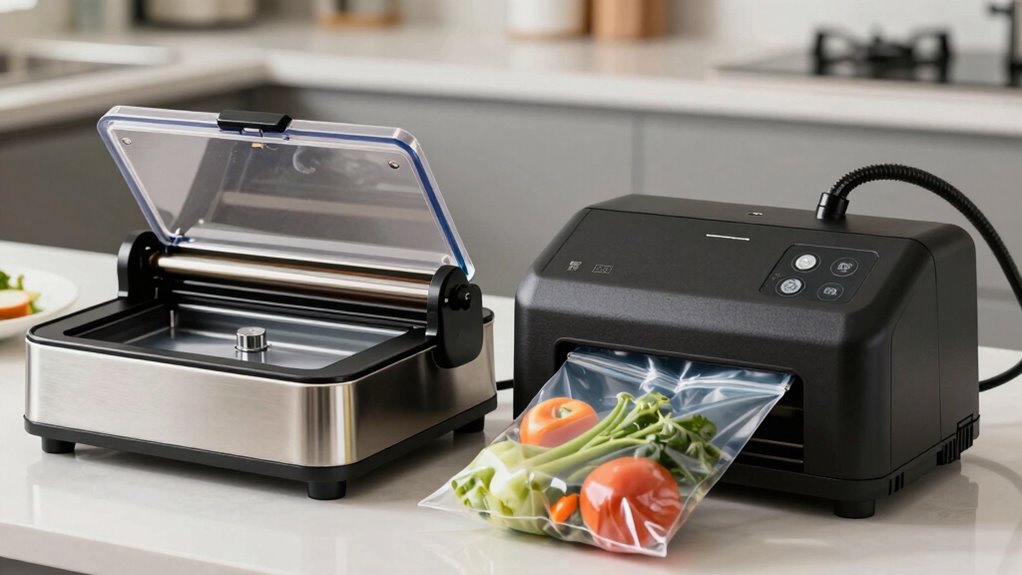
Choosing the right vacuum sealer for your food storage depends on understanding your specific needs and how you plan to use it. If you’re interested in sous vide benefits, a chamber vacuum sealer is ideal because it removes almost all air, allowing for precise temperature control and better food preservation. For smaller quantities or occasional use, an external vacuum sealer might suffice, offering convenience and affordability. Consider the types of food you’ll seal most often—hard foods require stronger sealing, which chamber sealers handle better. Also, think about storage space and budget. Ultimately, selecting the right sealer guarantees maximum food preservation and lets you enjoy the benefits of fresh, well-preserved meals longer. Your choice should align with your culinary goals and storage needs.
Frequently Asked Questions
Can Chamber Vacuum Sealers Reseal Already Vacuum-Packed Bags?
Yes, chamber vacuum sealers can reseal already vacuum-packed bags, making reusing bags possible. You simply open the chamber, place the bag inside, and reseal it, which helps you save money and reduce waste. This process is especially useful for resealing bags after opening, allowing you to extend the freshness of your food. Keep in mind, though, not all bags are suitable for vacuum reuse, so check compatibility first.
How Much Space Does Each Type of Vacuum Sealer Typically Require?
You might think larger vacuum sealers take up more space, but that’s not always true. Countertop footprint varies, with external sealers generally being more compact and easier to store in small kitchens. Chamber vacuum sealers tend to be bulkier due to their design, requiring more storage space. When choosing, consider your available countertop and storage space to make sure your sealer fits comfortably and meets your needs efficiently.
Are Chamber Vacuum Sealers Suitable for Commercial Use?
Yes, chamber vacuum sealers are suitable for commercial kitchens and industrial applications. They handle large volumes efficiently, making them ideal for preserving bulk ingredients or prepared foods. Their ability to vacuum and seal multiple bags at once boosts productivity, and their durability guarantees they withstand frequent use. If you’re running a busy food operation, investing in a chamber vacuum sealer can streamline your packaging process and improve product longevity.
How Do Maintenance Requirements Differ Between Chamber and External Sealers?
Think of your vacuum sealer as a trusted companion. You’ll find that chamber vacuum sealers often require more frequent cleaning routines to keep their components in top shape, while external sealers are generally more durable with less maintenance. Regularly check seals and gaskets, and keep everything spotless to prevent wear. With proper upkeep, both types will serve you well, but the chamber’s intricate parts demand closer attention.
Which Sealer Type Is More Energy-Efficient for Regular Use?
You’ll find external vacuum sealers generally more energy-efficient for regular use because they consume less energy during operation. They typically have smaller motors and simpler designs, leading to lower energy consumption. While chamber sealers might use more power due to their larger, more complex mechanisms, they can offer better cost efficiency over time for frequent, heavy-duty sealing tasks. Choose based on your daily volume and long-term energy savings.
Conclusion
Choosing between a chamber and an external vacuum sealer is like picking the right tool for your kitchen’s orchestra. Think about your needs, budget, and storage space, and you’ll find the perfect match. Remember, the right sealer can keep your food fresh longer, saving you money and reducing waste. So, weigh your options carefully—you don’t want to miss the sweet spot where efficiency meets convenience. Your food’s future depends on it!