
Airtight containers keep food fresh by creating a sealed environment that blocks air, moisture, and oxygen, which helps slow spoilage and maintain texture. However, leakproof lids can fail if seals become damaged, dirty, or are improperly closed. Factors like temperature changes, material wear, and debris can compromise the seal’s integrity. To prevent failures and keep your containers fully sealed, it’s important to handle, clean, and inspect them regularly—learn more about maintaining your storage solutions below.
Key Takeaways
- Seal failure often results from improper lid engagement or incomplete sealing techniques.
- Gasket degradation caused by environmental factors like heat, moisture, and sunlight reduces seal effectiveness.
- Dirt, debris, or residues on sealing surfaces can prevent lids from forming a proper airtight seal.
- Material wear, cracks, or warping in lids or containers compromise leakproof integrity over time.
- Regular inspection, proper handling, and timely replacement of damaged seals are essential to maintain leakproof performance.
How Do Airtight Containers Keep Food Fresh?
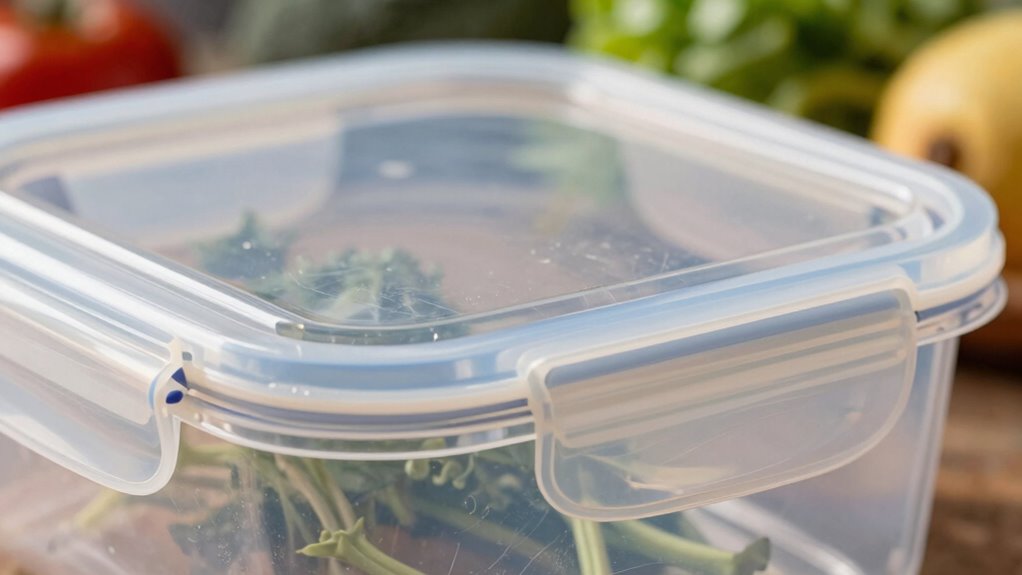
Airtight containers keep food fresh by creating a sealed environment that prevents air from entering or escaping. This design enhances food preservation by slowing down oxidation and spoilage caused by exposure to oxygen. By limiting air flow, these containers also help control moisture levels, which is essential for maintaining the texture and quality of your food. Excess moisture can lead to mold and bacterial growth, while too little can cause dehydration. When you use airtight containers, you minimize these risks, ensuring your food stays fresher longer. Proper moisture control also helps prevent the growth of molds and bacteria that thrive in humid environments. Additionally, smart home technology can be integrated to monitor environmental conditions such as humidity and temperature, further optimizing food storage. This integration can include humidity sensors that provide real-time data to help maintain ideal storage conditions. Understanding the importance of air-tight seals is crucial to preventing leaks that compromise the container’s effectiveness. Maintaining consistent environmental conditions is essential for extending the shelf life of perishable foods. Implementing environmental monitoring systems can further enhance the effectiveness of airtight containers. Overall, airtight containers are an effective way to extend the shelf life of your food through ideal environmental control.
Why Do Leakproof Lids Sometimes Fail?
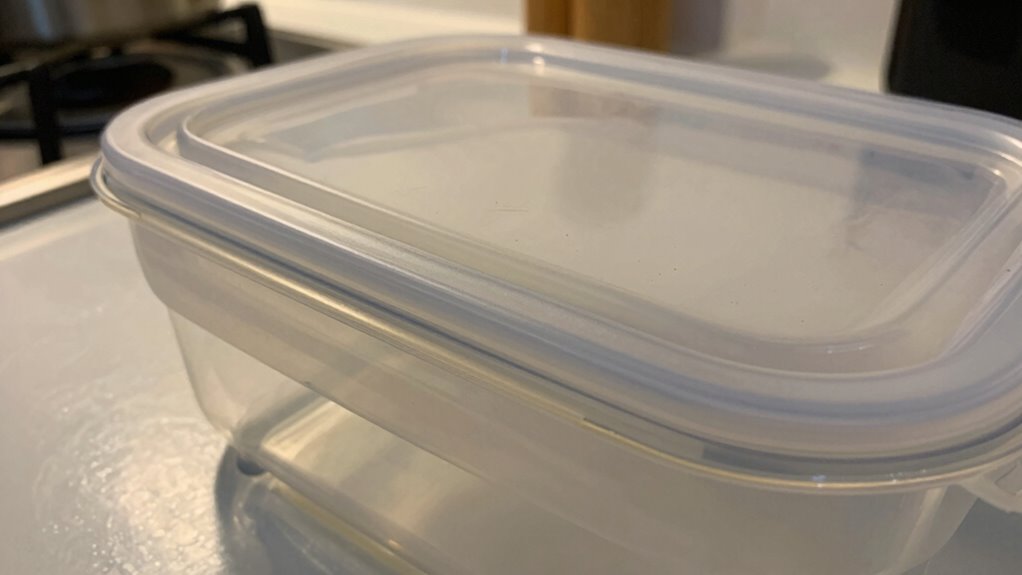
Leakproof lids can fail if you don’t seal them properly or if the gasket gets damaged. Over time, materials can wear out or degrade, making the lid less effective. Proper airflow around the container can also influence how well the lid seals. Additionally, the contrast ratio of the container’s sealing mechanism plays a role in maintaining an airtight environment. Regularly inspecting and replacing worn seals helps prevent issues caused by material degradation, ensuring your containers stay truly airtight. Awareness of free floating phenomena can also impact how the lid performs, especially if the container is stored in environments with temperature fluctuations.
Improper Lid Sealing Technique
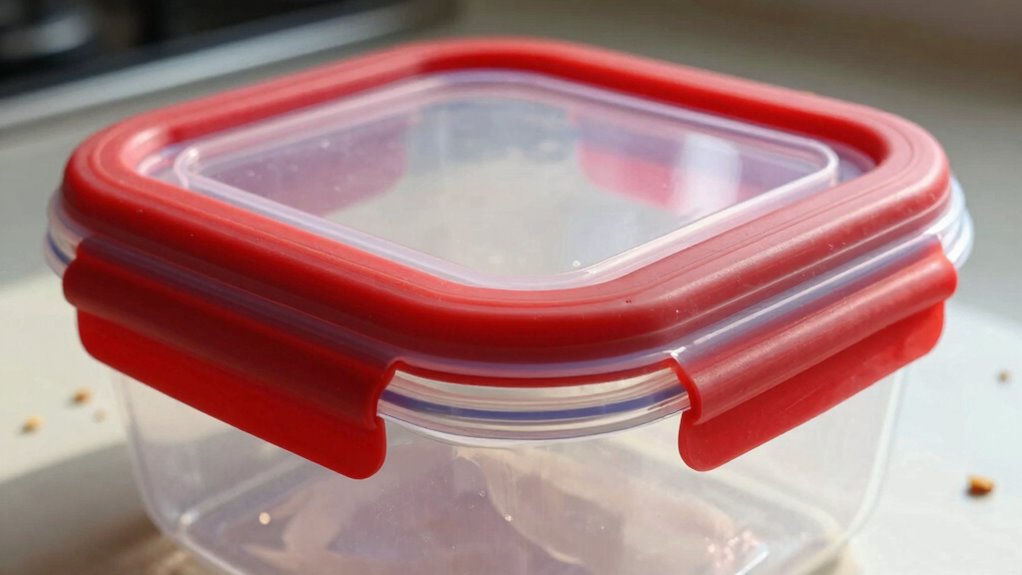
Even when you think you’ve sealed the lid properly, improper technique can cause leaks. A common mistake is not ensuring the lid is fully engaged in the lid locking process. If you skip steps or don’t press firmly, the sealing technique may be incomplete, leading to gaps. To get a tight seal, confirm that the lid is aligned correctly and that you hear or feel it lock securely.
| Step | What to Check |
|---|---|
| Lid placement | Lid sits evenly without wobbling |
| Locking mechanism | Fully engage lid locking points |
| Pressure applied | Press firmly around the edges |
| Gasket position | Gasket is properly aligned inside lid |
| Sealing check | Test for leaks before storing |
Damaged or Worn Gaskets
If your lid is properly sealed but still leaks, the problem often lies with the gasket. Over time, gasket wear can cause it to lose its flexibility, making it less effective at creating a tight seal. Damage to the gasket, such as cracks, tears, or deformations, compromises the container’s ability to hold a leakproof environment. Frequent use, improper cleaning, or exposure to harsh conditions can accelerate seal degradation. When a gasket becomes worn or damaged, even the best lid won’t prevent leaks. Regularly inspect your gasket for signs of deterioration, and replace it if you notice cracks or warping. Proper gasket maintenance is essential to maintaining the airtight integrity of your container, and understanding material durability can help you choose better replacements. Additionally, storing containers in temperature-controlled environments can prolong gasket lifespan by preventing material degradation.
Material Degradation Over Time
Over time, the materials used in airtight containers can break down due to exposure to environmental factors. This process, known as material degradation, leads to weakening of the lid’s seal. Chemical breakdown from heat, moisture, or sunlight causes the plastic or rubber components to lose their elasticity and durability. As a result, the lid may no longer fit snugly, allowing leaks. Certain materials are more prone to degradation; for example, softer plastics may warp faster. Below is a comparison of common lid materials:
| Material | Common Issue | Lifespan Impact |
|---|---|---|
| Silicone | Cracking, hardening | Reduced flexibility |
| Polypropylene | Warping, brittleness | Seal failure |
| Rubber | Chemical breakdown | Loss of elasticity |
| TPE | Hardening, cracking | Seal deterioration |
What Causes Seal Failures in Airtight Containers and How to Prevent Them?
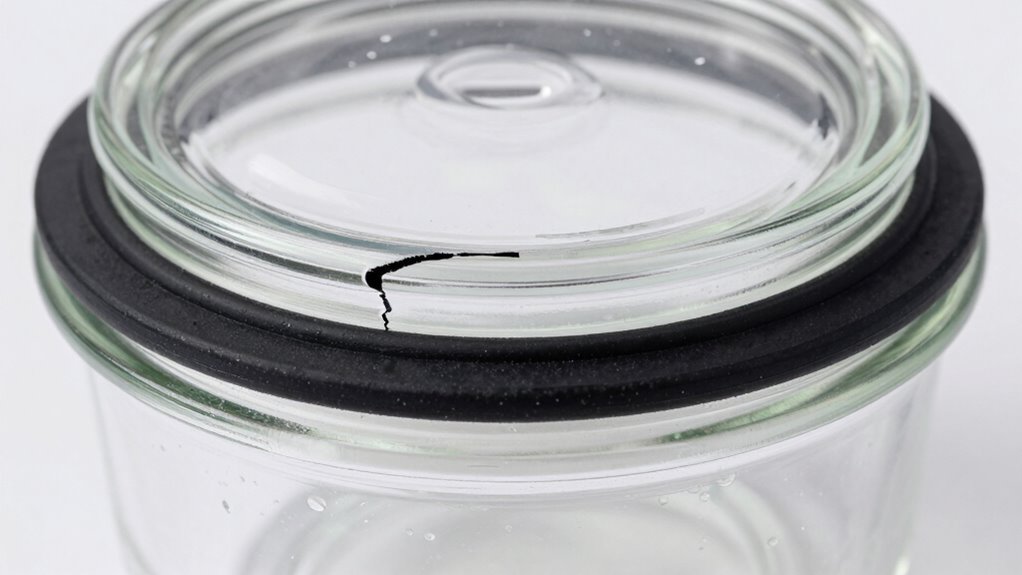
Seal failures in airtight containers often occur because of imperfections or damage to the sealing surfaces. These flaws can compromise the seal, making it less effective at keeping contents airtight. To prevent this, pay attention to the seal material; some materials degrade faster or lose elasticity over time. The container design also plays a vital role—poorly fitting lids or uneven edges create gaps. Additionally, dirt, debris, or residues on sealing surfaces can cause leaks. Temperature fluctuations may warp or weaken the seal material, further increasing failure risk. To minimize failures, regularly inspect seals for cracks or damage, ensure surfaces are clean before sealing, and choose containers with robust, well-designed lids. Proper maintenance and selection are key to keeping your airtight containers leakproof. Incorporating temperature control techniques can also help maintain seal integrity over time, especially when storing temperature-sensitive contents. Being aware of material durability can guide you in selecting more reliable containers that withstand environmental stresses better. Furthermore, understanding the impact of environmental factors helps in choosing storage conditions that prolong seal effectiveness. Regularly checking the seal integrity and replacing damaged lids or seals can significantly reduce the chances of leaks over time.
How Can You Keep Your Leakproof Containers Fully Sealed?
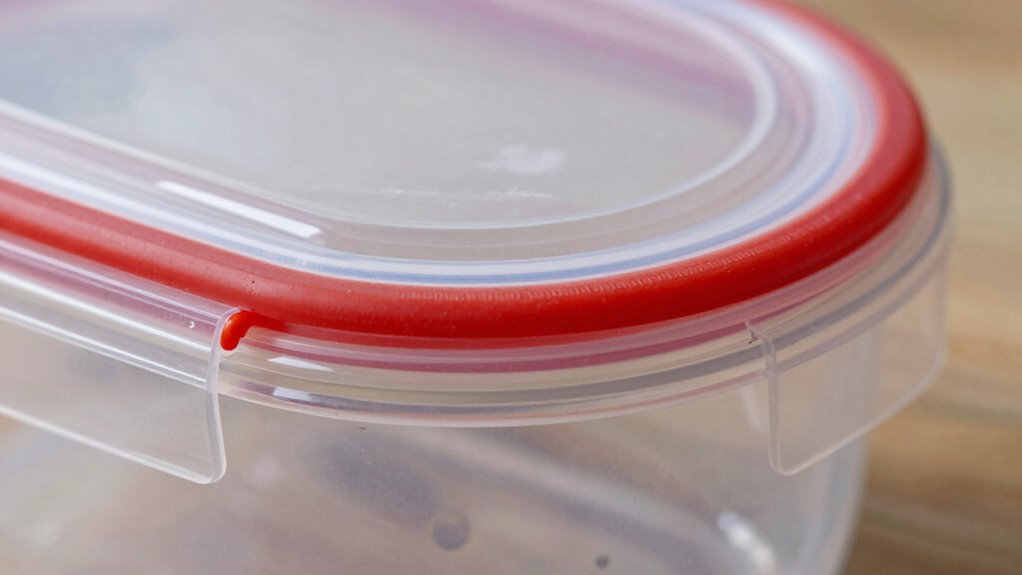
Maintaining a fully sealed, leakproof container requires regular attention and proper handling. To maximize the airtight benefits, always check the lid’s gasket for debris or damage before sealing. Confirm the lid snaps on firmly, creating a tight seal that keeps contents fresh and prevents leaks. Proper handling also involves storing containers upright to reduce stress on the seals and avoid accidental openings. When cleaning, use mild soap and avoid abrasive scrubbers that could damage the seal. Airtight integrity depends on consistent maintenance and careful handling. This care enhances container versatility, allowing you to store liquids, dry goods, or perishables confidently. Ensuring the seal remains intact is essential for preventing leaks and maintaining freshness over time. Regularly inspecting and maintaining the seals can prevent common issues like warping or cracking that compromise leakproof performance. Developing a routine for seal inspection helps identify potential problems early and prolongs the lifespan of your containers. Practicing proper container handling techniques further reduces the risk of damage to the seals. Consistent maintenance ensures your containers function at their best, preventing leaks and preserving freshness. With attention to these details, you’ll enjoy the full benefits of your airtight containers every time.
How to Test if Your Airtight Container Is Truly Leakproof?
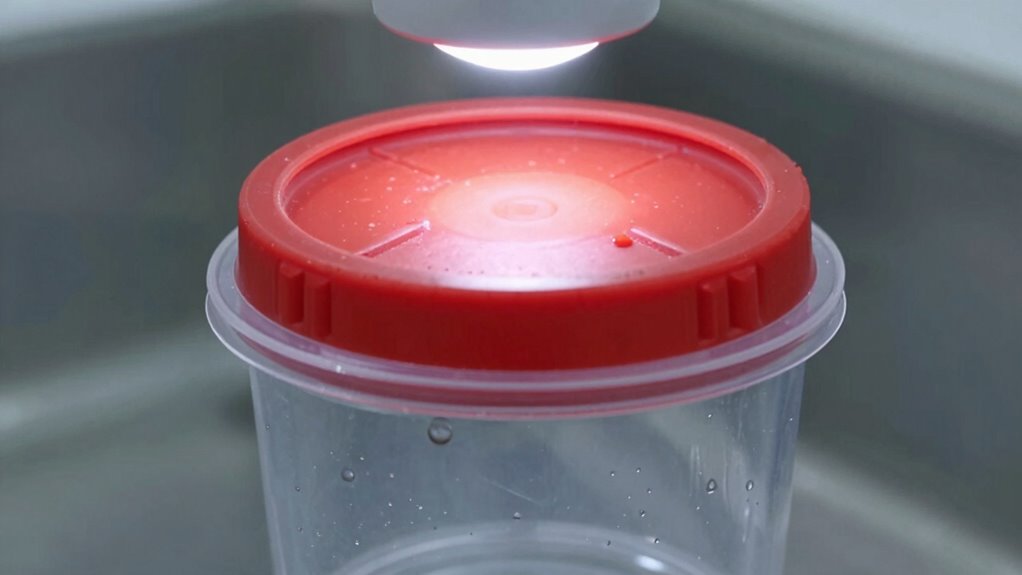
To make certain your airtight container truly keeps leaks at bay, it’s vital to test its seal regularly. This ensures your kitchen organization stays intact and your food stays fresh. Here’s how to do it:
Regularly test your airtight containers to ensure they keep food fresh and your kitchen organized.
- Fill the container with water, seal it tightly, and gently tilt to check for leaks.
- Place a piece of paper or a napkin between the lid and container, then close it firmly—if it slips out easily, the seal isn’t tight enough.
- Use a flashlight to inspect the gasket for gaps or damage.
- Store a small amount of liquid or oil inside, close the lid, and turn upside down to see if any drips occur.
- Regular testing helps maintain proper seal integrity, preventing spoilage and messes.
How to Choose the Best Airtight Containers for Your Needs?
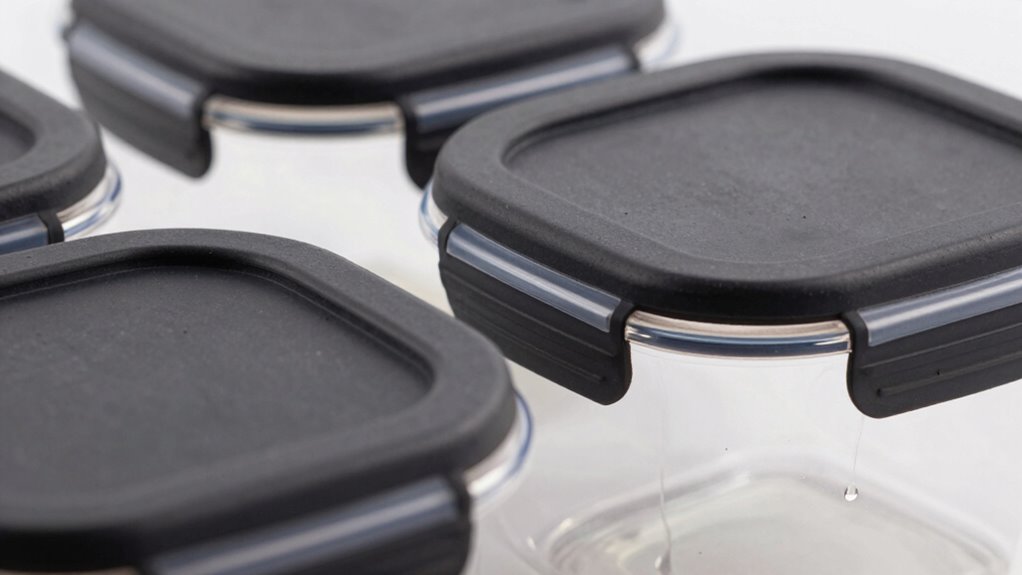
Choosing the right airtight containers depends on your specific storage needs, kitchen space, and the types of food you regularly keep. To select the best, consider container size to match portioning and storage volume, and aesthetic design to complement your kitchen decor. Small containers are ideal for spices or snacks, while larger ones suit bulkier items like grains or pasta. Avoid overcrowding by choosing a variety of sizes. Proper airtight seals are essential to prevent leaks and preserve freshness over time, and understanding how these seals work can help you avoid common failure points that cause leaks. Here’s a quick guide:
| Container Size | Ideal For | Aesthetic Design |
|---|---|---|
| Small | Spices, snacks | Sleek, minimalistic |
| Medium | Leftovers, grains | Colorful, modern |
| Large | Bulk items, flour | Classic, sturdy |
Pick containers that fit your space and style, ensuring they’re functional and visually appealing.
How to Troubleshoot and Maintain Your Airtight Storage Solutions?
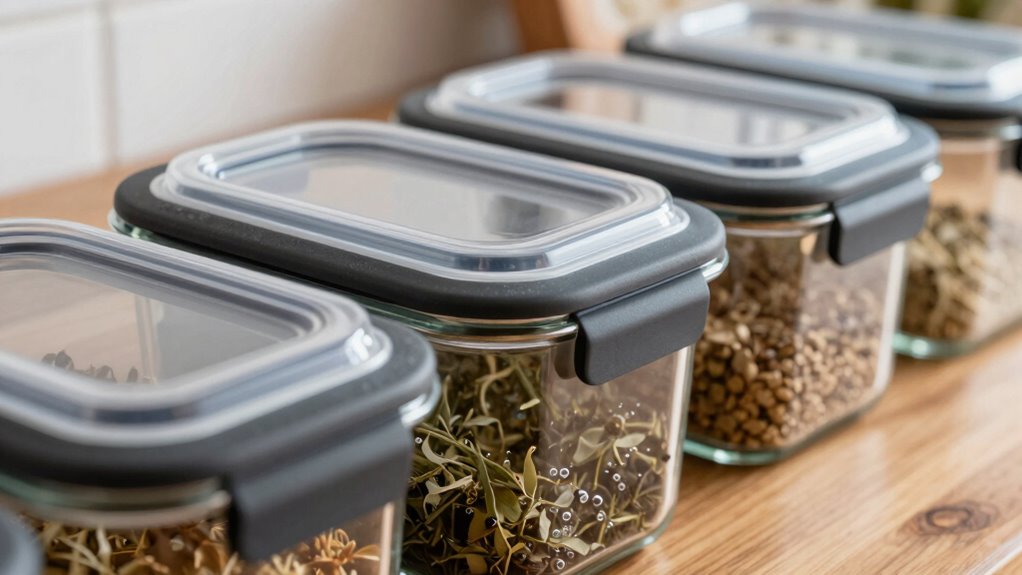
To keep your airtight containers working properly, you need to regularly check the seals for cracks or gaps. Cleaning them thoroughly and avoiding harsh chemicals helps maintain their effectiveness. When you notice any issues, addressing them quickly guarantees your stored items stay fresh and protected.
Seal Inspection Techniques
Inspecting the seal of your airtight container is essential to guarantee it keeps contents fresh and prevents leaks. To do this effectively, start with vacuum sealing tests—sucking out air helps reveal weak spots. Next, perform pressure testing by gently squeezing the container; if it collapses or air escapes, the seal may be compromised. Here are some quick techniques to check your lid’s integrity:
- Look for cracks or warping around the seal
- Listen for hissing sounds during pressure tests
- Check for gaps or misalignments in the lid
- Use a soapy water solution to spot leaks around the edges
Regular inspection ensures your lid remains leakproof and maintains freshness. These simple methods help you troubleshoot and extend the life of your airtight storage.
Proper Cleaning and Maintenance
Maintaining the cleanliness of your airtight containers is key to preserving their effectiveness and extending their lifespan. You should establish a regular cleaning frequency—ideally after each use or weekly for bulk storage—to prevent residue buildup. Use warm, soapy water and a brush to thoroughly clean both the container and lid, paying attention to seals and grooves. The storage environment also matters; keep containers in a cool, dry place away from direct sunlight and moisture, which can degrade seals and promote mold. If you notice lingering odors or residue, consider using baking soda or vinegar as natural deodorizers. Proper maintenance includes inspecting seals regularly and replacing any damaged parts promptly. This routine ensures your containers stay leakproof and function efficiently over time.
Frequently Asked Questions
Are All Plastic Materials Equally Effective for Airtight Containers?
Not all plastic materials are equally effective for airtight containers. You should consider plastic durability, as some plastics are more resistant to cracks and warping, ensuring a better seal. Additionally, check the material safety—food-grade plastics prevent chemical leaching. Opt for high-quality, BPA-free plastics like polypropylene or polyethylene, which maintain their integrity over time and keep your food safe and fresh, making your container truly airtight.
Can Temperature Changes Affect the Seal Integrity Over Time?
Temperature changes can definitely affect the seal integrity of your airtight container. When temperatures fluctuate, thermal expansion occurs, causing the material to expand or contract. This can lead to pressure fluctuations inside the container, weakening the seal over time. You might notice leaks or spills, especially if the lid isn’t designed to accommodate these changes. To keep your contents safe, avoid exposing containers to extreme or rapid temperature shifts.
How Do Different Lid Designs Impact Leakproof Performance?
Your container’s lid design is like a gatekeeper—its hinge design and sealing gasket quality determine if leaks stay out or sneak in. A robust hinge allows smooth closure, while a flexible one can weaken over time. High-quality sealing gaskets mold perfectly, creating a fortress against spills. Poorly designed hinges or cheap gaskets are like cracks in armor, letting leaks happen even when you think it’s secure.
Are There Eco-Friendly Options for Airtight Container Materials?
Yes, you can find eco-friendly airtight containers made from biodegradable plastics or recycled materials. These options help reduce plastic waste and lessen environmental impact. When shopping, look for labels indicating the use of sustainable materials. By choosing containers with biodegradable plastics or recycled content, you’re making a greener choice that supports eco-conscious living while still keeping your food secure and leakproof.
What Are Signs That a Container’s Seal Has Been Compromised?
You’ll notice seal deterioration when your container no longer feels snug or shows gaps. Odor leakage is another sign, as smells escape or become more intense over time. If you see cracks, warping, or the lid doesn’t close tightly, it’s time to replace the container. These signs indicate the seal isn’t effective anymore, risking spoilage or spills, so pay close attention to how your container performs regularly.
Conclusion
Think you’ve got your airtight containers figured out? The truth is, even the best lids can fail if you don’t understand how seals work. Regularly testing and maintaining your containers guarantees they stay leakproof, keeping your food fresh longer. Don’t fall for the myth that all lids are foolproof—sometimes, a tiny defect can cause big messes. Stay vigilant, and your storage will truly keep food fresh and secure.