
TL;DR

Get kitchen staples and gadgets delivered free — and shop member deals
- Fast, free delivery on millions of items
- Access to Prime Big Deal Days deals on October 6–7
- Prime Video, Amazon Music and more included
Birmingham’s authentic balti, a dish rooted in the city’s history, is threatened by restaurant closures and cultural shifts. Campaigners are pushing for official heritage recognition to save it.
Campaigners are warning that Birmingham’s iconic balti curry, a dish uniquely born in the city, is at risk of disappearing as many traditional restaurants close amid economic and social challenges.
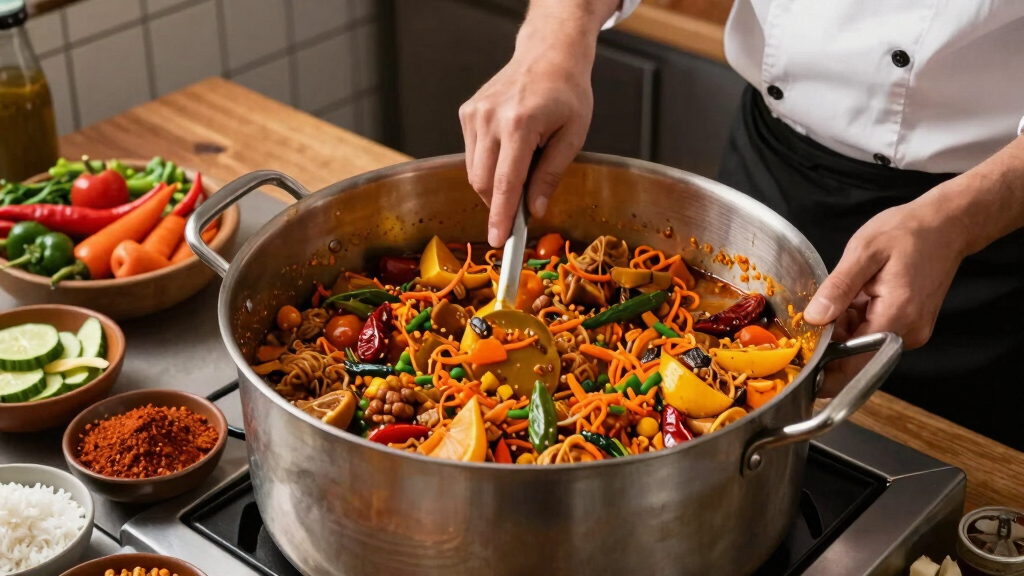
Zaf Hussain, owner of Shababs in Birmingham’s Sparkbrook area, confirmed that authentic balti is increasingly rare as many eateries close or alter the dish. Hussain has been making balti for over two decades, emphasizing its unique cooking method in a steel bowl on high heat, served sizzling. Andy Munro, a balti enthusiast and campaigner, is leading efforts to secure UNESCO heritage status for the dish, arguing it is a vital part of Birmingham’s cultural identity. The dish was invented in 1975 by chef Mohammed Arif and steel engineer Tara Singh, and it quickly became a symbol of the city’s diverse culinary scene. However, the rise of restaurant closures, economic pressures, Brexit, COVID-19, and the cost of living have severely impacted the traditional balti trade. Notably, Adil’s, one of the earliest and most renowned balti restaurants, closed in 2022. Birmingham’s city council declared bankruptcy in 2023, and ongoing issues like strikes and urban decline have compounded the problem, threatening the future of the dish itself.
Why It Matters
The potential loss of Birmingham’s balti would mean the disappearance of a dish with deep cultural and historical roots, recognized as a symbol of the city’s multicultural identity. Securing heritage status could help preserve traditional recipes and support local restaurants, maintaining Birmingham’s culinary legacy amidst economic decline.
As an affiliate, we earn on qualifying purchases.
Background
The balti was created in Birmingham in 1975, inspired by local steel manufacturing and cultural exchange. It rapidly gained popularity, leading to a boom in the 1980s and 1990s, with the city earning the nickname ‘balti triangle.’ However, economic downturns, rising costs, and the pandemic have led to closures, with many traditional establishments shutting down or changing their offerings. Campaigners now seek official recognition to protect this unique culinary tradition.
“The proper balti is all about the bowl in which it’s cooked and served. Lots of places say they do balti, but they actually cook it in a frying pan and dump it into a bowl. That’s not the real thing.”
— Zaf Hussain
“Balti was born here, and it needs to be recognized as part of Birmingham’s cultural heritage. It’s more than just food; it’s a symbol of our city’s diversity and history.”
— Andy Munro
What Remains Unclear
It is not yet clear whether the bid for UNESCO heritage status will succeed or how many traditional balti restaurants will remain open in the coming years. The future of the dish depends on both official recognition and local support.
What’s Next
Campaigners will continue to gather endorsements and submit their bid for heritage status. Meanwhile, efforts to support surviving traditional restaurants and educate the public about authentic balti are underway. The next few years will be crucial in determining if the dish can be preserved for future generations.
Key Questions
What makes Birmingham’s balti different from other curries?
Authentic balti is cooked in a steel bowl on high heat and served sizzling immediately, preserving its flavors and texture. Many imitations use different methods, but the traditional technique is key to its identity.
Why is the balti at risk of disappearing?
Many traditional restaurants have closed due to economic pressures, rising costs, and the impacts of COVID-19. The decline of the ‘balti triangle’ and changing tastes also contribute to its threatened status.
What is being done to protect the dish?
Campaigners like Andy Munro are seeking UNESCO heritage status for balti, aiming to preserve it as part of Britain’s living cultural heritage. Local efforts also include promoting remaining traditional restaurants.
Will the dish be officially recognized as heritage?
The bid for UNESCO status is ongoing, and it is not yet confirmed whether it will be successful. The process involves endorsements and assessments over the coming months.
Can new generations keep the tradition alive?
Yes, but it depends on supporting traditional restaurants and educating people about authentic methods. Campaigns aim to inspire young chefs to learn and preserve the dish.
Source: Guardian Life
NFL season / tailgating Picks
team gear
As an affiliate, we earn on qualifying purchases.