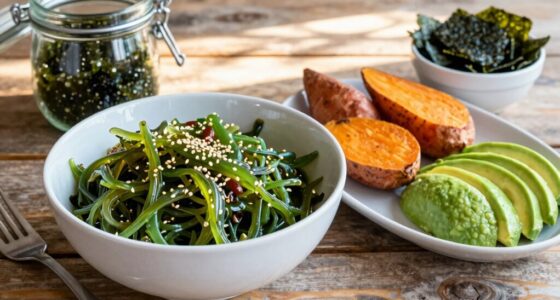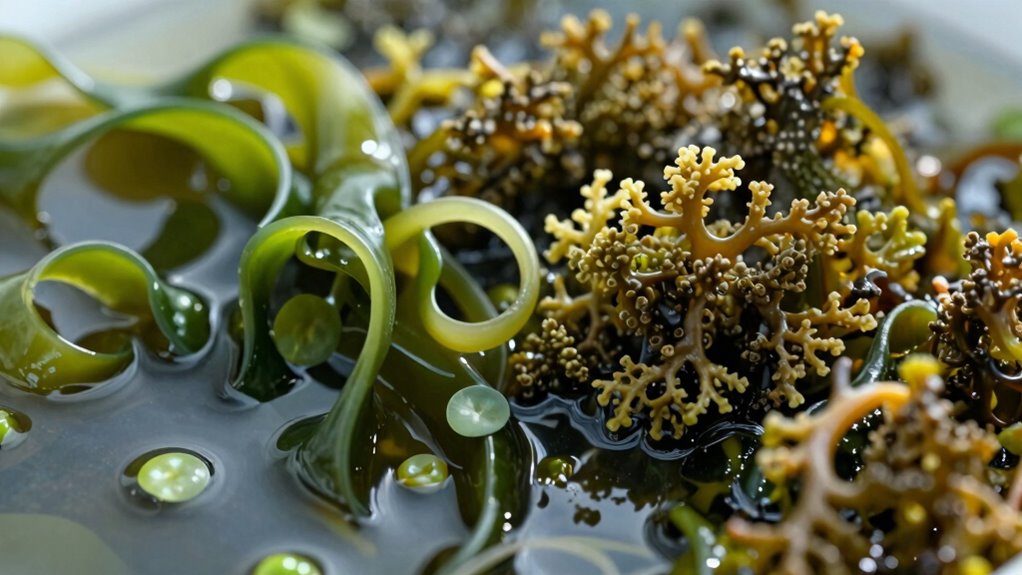
Vegan sea plants like seaweed, sea moss, and water lentils are nutrient-packed superfoods that boost your health with essential vitamins, minerals, and plant proteins. Seaweed and sea moss provide iodine for thyroid health, while water lentils are high in protein and amino acids. They’re versatile, easy to add to your meals, and support sustainable eating. Keep exploring to discover how these powerhouses benefit your body and the environment even more.

Get kitchen staples and gadgets delivered free — and shop member deals
- Fast, free delivery on millions of items
- Access to Prime Big Deal Days deals on October 6–7
- Prime Video, Amazon Music and more included
Key Takeaways
- Seaweed, sea moss, and water lentils are vegan-friendly aquatic plants rich in nutrients, antioxidants, and essential minerals.
- They serve as plant-based sources of iodine, calcium, magnesium, and protein, supporting overall health.
- These sea plants are versatile ingredients easily incorporated into salads, smoothies, and other vegan dishes.
- They are sustainably cultivated or harvested with eco-friendly practices, promoting environmental conservation.
- Using these marine plants supports marine ecosystems and offers a sustainable, plant-based alternative to animal-derived nutrients.
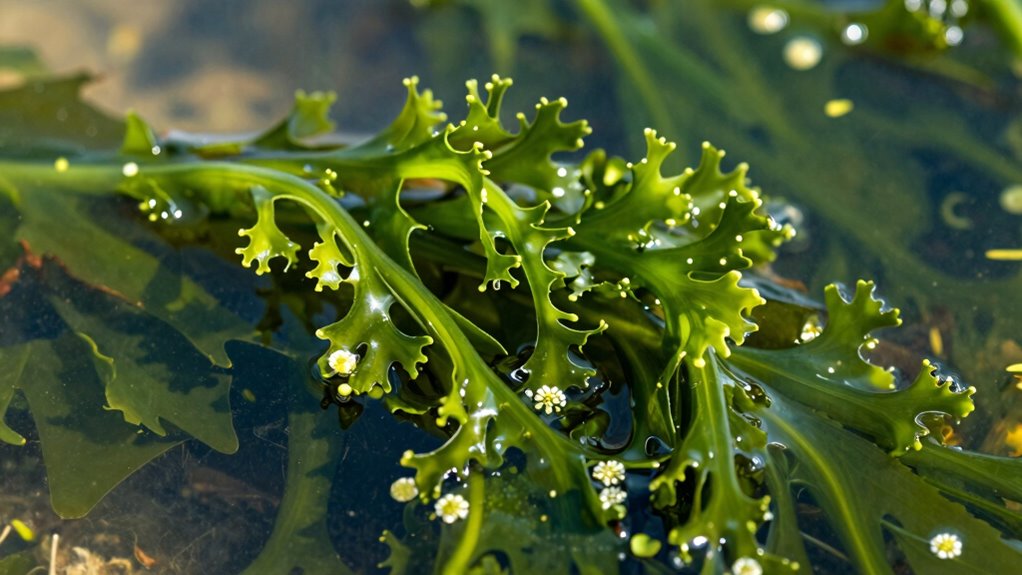
Seaweed and water lentils are gaining popularity as nutrient-packed superfoods that can easily be incorporated into your diet. These aquatic plants are celebrated not only for their health benefits but also for their sustainability and their role in marine ecosystems. When you include seaweed and water lentils in your meals, you’re tapping into a rich source of marine nutrition that can boost your overall health. These plants are naturally abundant in essential vitamins, minerals, antioxidants, and unique compounds that support immune function, skin health, and energy levels. Plus, their versatility makes it simple to add them to salads, smoothies, soups, or snacks.
Marine nutrition is at the core of why seaweeds and water lentils are so highly valued. They contain iodine, which is critical for thyroid health, along with calcium, magnesium, potassium, and iron. Water lentils, also known as duckweed, are especially high in protein and amino acids, making them an excellent plant-based alternative to traditional protein sources. Consuming these plants helps you meet your nutritional needs while also supporting sustainable eating habits. They grow rapidly and require minimal land, water, and nutrients compared to traditional crops. This efficiency makes them a sustainable choice, reducing environmental impact and helping conserve natural resources. Recognizing the process of sustainable cultivation can deepen your understanding of how these plants are harvested responsibly.
Sustainable harvesting practices are essential to guarantee that these superfoods remain available for future generations. When you choose products from sources committed to responsible harvesting, you’re supporting ecosystems and local communities that rely on healthy waters. Many growers use eco-friendly methods, such as regulated wild harvesting or aquaculture systems, which prevent overharvesting and protect marine biodiversity. By opting for sustainably harvested seaweed and water lentils, you contribute to a cycle that benefits both the environment and your health. These practices help maintain water quality and protect marine habitats, ensuring that the plants continue to thrive and provide essential nutrients. Additionally, understanding the importance of marine ecosystems can deepen your appreciation for the sustainability of these aquatic foods. Recognizing the role of marine biodiversity highlights how these plants contribute to the health of entire ecosystems. Incorporating these superfoods into your diet can also support the preservation of marine habitats for future generations. Sustainable cultivation methods are increasingly being adopted to minimize environmental impact, ensuring the longevity of these vital resources.
Integrating seaweed and water lentils into your diet is a simple yet impactful way to enhance your nutrition while supporting sustainable practices. Whether you’re adding seaweed flakes to your sushi or blending water lentils into a smoothie, you’re making a conscious choice for your health and the planet. As awareness about marine nutrition grows, so does the importance of responsible harvesting. This combination of health benefits and environmental mindfulness makes seaweed and water lentils a smart, eco-friendly addition to any plant-based diet.
As an affiliate, we earn on qualifying purchases.
Frequently Asked Questions
Are Vegan Sea Plants Sustainable and Eco-Friendly?
Yes, vegan sea plants like seaweed, sea moss, and water lentils are generally sustainable and eco-friendly. They have a low environmental impact because they grow quickly without freshwater or fertilizers, and their harvesting practices help maintain healthy ecosystems. Plus, they don’t deplete land resources or emit greenhouse gases. By choosing responsibly harvested sea plants, you support eco-conscious food options that benefit the planet.
How Do Sea Plants Affect Thyroid Health?
Sea plants gently support your thyroid health by aiding thyroid hormone regulation. Their natural iodine content helps prevent iodine deficiency, which is essential for proper thyroid function. Including seaweed, sea moss, or water lentils in your diet can be a delicious way to boost your iodine intake, ensuring your thyroid stays balanced and healthy. Just remember to enjoy them in moderation, as too much iodine can have adverse effects.
Can Seaweed Cause Allergic Reactions?
Yes, seaweed can cause allergic reactions, especially if you have a seaweed allergy or shellfish cross reactivity. You might experience symptoms like itching, swelling, or difficulty breathing. It’s important to be cautious if you’re allergic to shellfish, as some reactions can be similar due to cross reactivity. Always check labels and consult with an allergist before adding seaweed to your diet, especially if you’re prone to allergies.
What Is the Best Way to Store Water Lentils?
You should store water lentils in an airtight container in the refrigerator, as they stay fresh for up to a week. Interestingly, water lentil preservation is essential because they can lose nutrients quickly if not stored properly. Use a sealed glass jar or plastic container, and rinse them thoroughly before storage. Avoid storing them at room temperature to prevent spoilage, ensuring they remain nutritious and ready for your meals.
Are Sea Plants Safe During Pregnancy?
Yes, sea plants like seaweed and sea moss are generally safe during pregnancy if consumed in moderation. They provide essential nutrients that support pregnancy nutrition and fetal development, such as iodine, calcium, and vitamins. However, you should avoid high-iodine varieties and consult your healthcare provider before adding them to your diet. Properly sourced and prepared sea plants can be a healthy, beneficial addition to your pregnancy diet.
Conclusion
Just like discovering a hidden treasure beneath the waves, incorporating seaweed, sea moss, and water lentils into your diet opens nature’s abundant, sustainable resources. Imagine each spoonful as a small step toward nourishing your body and protecting our oceans. When I first tried seaweed, it felt like unearthing a secret ingredient from the sea’s vast bounty—reminding us that sometimes, the greatest treasures are found where we least expect them. Immerse yourself and explore these oceanic marvels today.
NFL season / tailgating Picks
team gear
As an affiliate, we earn on qualifying purchases.