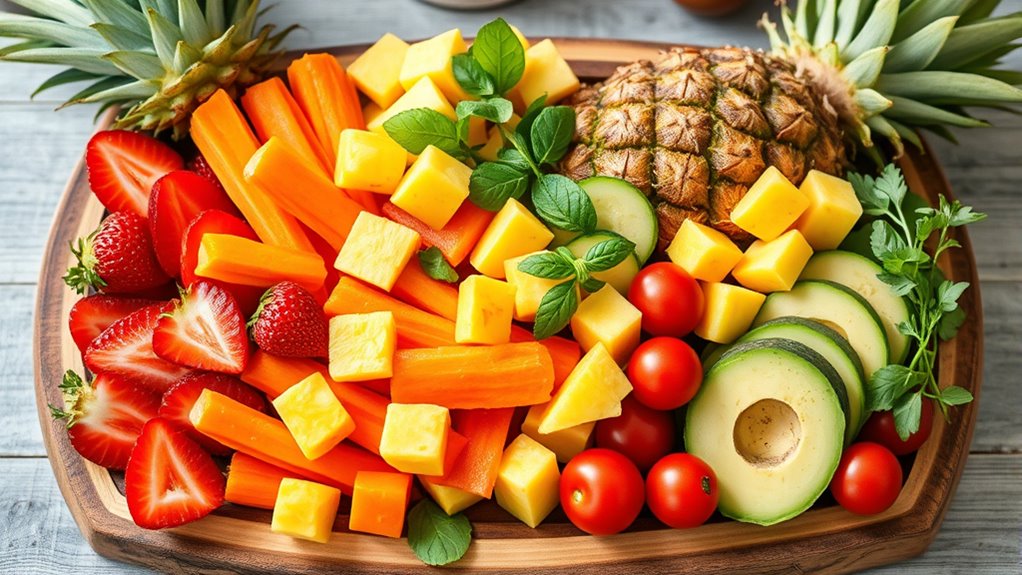

If you’re looking for raw food options for kids, consider colorful fruit slices, veggie sticks with healthy dips, and fruit kabobs that make eating fun. Incorporate smoothies with fresh ingredients or offer sprouted grains carefully prepared to maximize nutrients. Always wash and handle produce properly, and supervise your child during meals to guarantee safety. Exploring these ideas further will help you craft nutritious, appealing raw foods that support your child’s healthy development.

Get kitchen staples and gadgets delivered free with Prime
- Fast, free delivery on millions of items
- Prime Video, Amazon Music and more included
- Member-only deals all year
Key Takeaways
- Offer colorful fruit and vegetable sticks with healthy dips to make raw foods appealing to kids.
- Prepare smoothies with fresh, raw ingredients to boost nutrition and entice children.
- Choose organic produce and thoroughly wash all raw fruits and veggies to ensure safety.
- Slice foods into manageable sizes and supervise eating to prevent choking hazards.
- Incorporate fun presentations like kabobs or veggie faces to encourage healthy raw food choices.
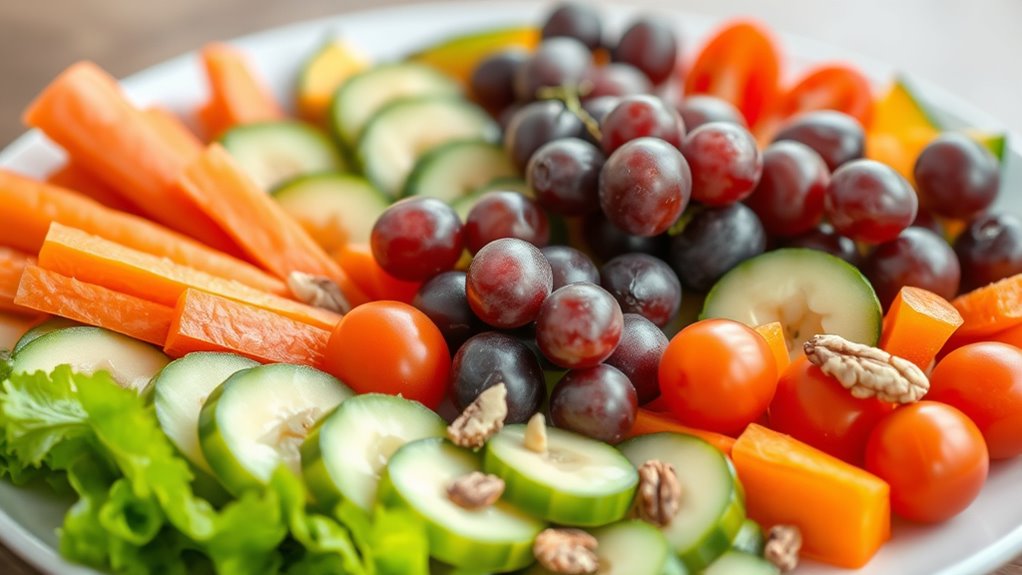
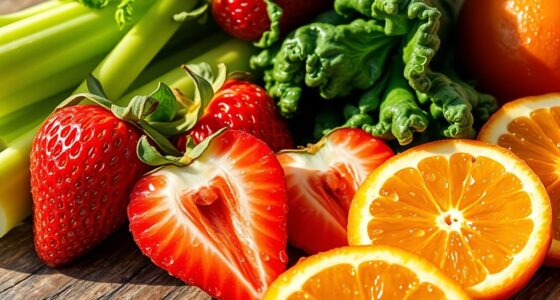
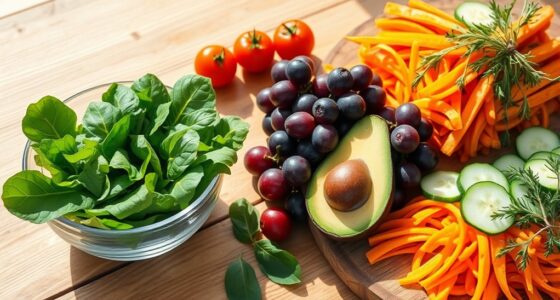
Choosing raw food options for kids can be a healthy way to introduce fresh, minimally processed fruits and vegetables into their diets. When you opt for raw foods, you’re giving your children access to a variety of nutritional benefits that often get reduced during cooking. Fresh fruits and vegetables retain more vitamins, minerals, and enzymes when eaten raw, helping to boost their immune systems, improve digestion, and support overall growth. These foods are packed with fiber, antioxidants, and essential nutrients that contribute to healthy development. Plus, offering raw options encourages kids to develop good eating habits early on, fostering an appreciation for natural flavors and textures.
However, as you incorporate raw foods into your child’s diet, food safety becomes a top priority. Young children are more vulnerable to foodborne illnesses caused by bacteria, parasites, or other pathogens that can sometimes be present on raw produce. To minimize these risks, it’s important to thoroughly wash all fruits and vegetables under running water. Using a brush or scrubber can help remove dirt and microbes from the surface, especially for produce with thicker skins. When possible, peel fruits or vegetables to further reduce potential contaminants. Additionally, store raw produce separately from raw meats or other high-risk foods to prevent cross-contamination.
Choosing organic produce can also help reduce exposure to pesticides and other chemicals, which is especially important for children’s developing bodies. Keep in mind that some raw foods, like sprouts, can carry higher risks of bacteria; it’s often safer to cook these before offering them to young kids. When serving raw foods, cut them into manageable sizes to prevent choking hazards, and always supervise children while they’re eating. If your child has a compromised immune system or specific health concerns, consult with a healthcare professional to determine the safest options.
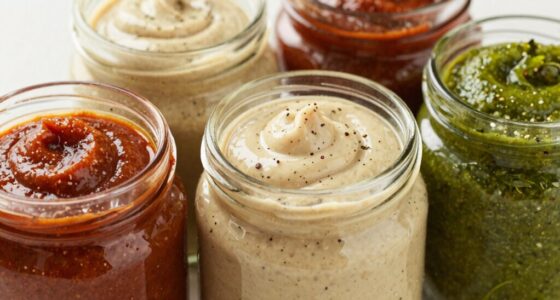
Incorporating raw foods into your child’s diet isn’t just about health; it’s also about making mealtime engaging and fun. Prepare colorful fruit kabobs, veggie sticks with dips, or smoothies packed with fresh ingredients. These options make raw foods appealing and accessible, helping your child develop a positive relationship with healthy eating. Overall, balancing raw options with proper food safety measures ensures your kids reap the nutritional benefits without unnecessary risks. By doing so, you’re setting them up for a lifetime of healthy habits and a love for fresh, natural foods.
kids fruit and veggie snack containers
As an affiliate, we earn on qualifying purchases.
As an affiliate, we earn on qualifying purchases.
Frequently Asked Questions
Are Raw Food Options Suitable for All Age Groups of Children?
Raw food options aren’t suitable for all age groups of children due to age-specific considerations and raw food restrictions. Young kids and toddlers have developing immune systems, making them more vulnerable to bacteria and parasites in raw foods. Older children may handle certain raw foods better, but you should always consult a healthcare provider. Always prioritize proper food safety, especially when considering raw options, to protect your child’s health.
How Can Parents Ensure Raw Foods Are Hygienic and Safe for Kids?
Think of your kitchen as a fortress against germs. You can keep raw foods safe by following strict handwashing protocols before preparing or eating. Always store foods according to food storage guidelines, keeping raw items separate from cooked ones. Regularly clean surfaces and utensils, and check freshness before offering raw options. This way, you protect your kids from contamination and make raw foods a safe, healthy part of their diet.
What Are the Best Raw Snacks for Picky Eaters?
You should try creative snack ideas that appeal to picky eaters, like fruit skewers or veggie sticks with hummus. Incorporate texture variations, such as crunchy apple slices or chewy dried fruits, to make raw snacks more interesting. Keep presentation colorful and fun, and involve your child in prep to boost their curiosity. These strategies make raw foods more enticing and help develop healthy eating habits.
Can Raw Food Diets Meet All Nutritional Needs of Growing Children?
Raw food diets can meet your child’s nutritional needs if you guarantee nutritional completeness and a diet variety. You need to carefully plan meals to include essential nutrients like protein, calcium, iron, and vitamins, which can be challenging with raw foods alone. By combining a diverse selection of fruits, vegetables, nuts, and seeds, you help your child get the nutrients they need for healthy growth and development.
How Do Raw Food Options Compare to Cooked Foods in Nutritional Value?
Raw food options often preserve more nutrients and enzymatic benefits than cooked foods, since heat can destroy delicate vitamins and enzymes. You’ll find that raw foods retain their natural enzymes, aiding digestion and nutrient absorption. However, you should consider that some nutrients, like lycopene and beta-carotene, become more available when cooked. Balancing raw and cooked foods lets you maximize nutritional value for your child’s growth and health.
Conclusion
In the end, offering raw food options for kids can be a real game-changer for their health. You’ll want to keep things simple and appealing, like hitting two birds with one stone—nurturing their taste buds and boosting their nutrition. Just remember, with a little creativity and patience, you can turn raw foods into fun, delicious snacks that set them up for a lifetime of good habits. It’s worth the effort to plant those healthy seeds early on.
Halloween Picks
halloween
As an affiliate, we earn on qualifying purchases.