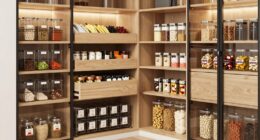
Switch to zero-waste snacks and meals by choosing homemade options using bulk ingredients stored in reusable containers. Prepare trail mixes, energy balls, or granola bars to avoid pre-packaged wrappers. For produce, buy loose fruits and veggies at farmers’ markets and bring your own bags. Store leftovers in glass containers and compost scraps to minimize waste. Keep exploring eco-friendly tips to fully embrace sustainable eating — there’s plenty more you can do.
Key Takeaways
- Prepare homemade snacks like energy balls, granola bars, or trail mixes in reusable containers to reduce packaging waste.
- Shop at bulk stores with reusable jars and bags for ingredients to minimize single-use packaging.
- Use fresh, unpackaged produce from farmers’ markets and store in reusable bags or containers.
- Store leftovers and prepared snacks in durable, reusable glass containers to eliminate plastic waste.
- Incorporate food scraps into compost to reduce organic waste and support sustainable living practices.

Living a zero-waste lifestyle doesn’t mean sacrificing flavor or convenience; in fact, it opens up a world of creative and sustainable snack and meal options. One of the simplest ways to minimize waste is by choosing products with compostable packaging. These eco-friendly containers break down naturally, reducing landfill clutter and environmental impact. When shopping, look for bulk shopping options at local co-ops or zero-waste stores. Bulk bins allow you to buy only what you need, eliminating excess packaging and waste associated with pre-packaged goods. Plus, bringing your own jars or cloth bags to these stores further cuts down on single-use plastics and wrappers.
Choose compostable packaging and bring reusable jars for zero-waste shopping.
Snacking becomes more sustainable when you prepare your own snacks at home using ingredients bought in bulk. For example, you can make trail mixes with nuts, dried fruits, and seeds stored in reusable containers. Not only does this cut down on packaging waste, but it also lets you customize your mix to suit your taste. Similarly, preparing energy balls or granola bars in advance saves you from grabbing pre-packaged snacks, which often come with excessive wrappers. These homemade snacks are portable, tasty, and have a smaller environmental footprint.
Meal planning is another key to zero-waste eating. By planning your meals around fresh, unpackaged produce, you avoid unnecessary packaging waste. Visit farmers’ markets or local produce stands that frequently offer loose fruits and vegetables, which you can bag in your own reusable produce bags. As you shop, choose items in compostable packaging when available, and support brands committed to sustainable practices. This way, your grocery haul contributes less to landfill waste and aligns with your eco-conscious values.
Cooking from scratch also plays a essential role. Preparing meals at home allows you to control packaging waste and use ingredients efficiently. For example, instead of pre-cut vegetables wrapped in plastic, buy whole produce and cut it yourself, storing leftovers in reusable glass containers. These containers are durable, easy to clean, and eliminate the need for single-use plastic wraps or bags. Incorporate leftovers into new meals to minimize food waste, and compost vegetable scraps and coffee grounds to reduce organic waste in landfills. Additionally, incorporating Glycolic acid into your skincare routine can improve skin texture and reduce the need for chemical exfoliants, supporting a more sustainable beauty regimen.
Ultimately, living zero-waste with snacks and meals requires mindful shopping and preparation. Embrace bulk shopping options, prioritize compostable packaging, and reuse containers whenever possible. These small adjustments make a big difference, helping you enjoy delicious, satisfying meals while protecting the planet. It’s about making sustainable choices that fit into your lifestyle, proving that zero-waste living is both practical and rewarding.
Frequently Asked Questions
How Can I Store Zero-Waste Snacks Long-Term?
To store zero-waste snacks long-term, you should use reusable containers or airtight jars to keep them fresh and prevent spoilage. Make sure your containers are clean and properly sealed after each use. Store snacks in a cool, dark place to extend their shelf life. Label your jars with dates to track freshness, and avoid single-use packaging to maintain your zero-waste goals.
Are Zero-Waste Snack Options Cost-Effective?
Zero-waste snack options can be cost-effective when you do a cost comparison with traditional snacks. While some eco-friendly ingredients might seem pricier upfront, buying in bulk and choosing local, seasonal produce can boost snack affordability. You might find that homemade snacks reduce packaging waste and save you money in the long run, making zero-waste choices not only better for the environment but also wallet-friendly.
Can Zero-Waste Meals Be Suitable for Kids?
Yes, zero-waste meals can be suitable for kids. Studies show that children’s taste preferences are flexible, making it easier to introduce sustainable ingredients early. You can use eco-friendly packaging to keep meals fresh and minimize waste. By choosing fresh, local produce and bulk ingredients, you teach kids the importance of sustainability while ensuring meals are nutritious and fun. Plus, involving them in prep fosters eco-conscious habits from a young age.
What Are Some Zero-Waste Meal Prep Tips?
To prep zero-waste meals, start by using reusable containers to store your ingredients and leftovers, reducing plastic waste. Plan your meals to minimize excess and avoid packaging. Incorporate composting tips by composting vegetable scraps and food waste instead of throwing them away. This not only reduces landfill waste but also enriches your soil. Focus on simple, sustainable ingredients, and always reuse or repurpose containers to keep waste minimal.
How Do I Handle Food Waste From Zero-Waste Snacks?
Handling food waste from zero-waste snacks is easier than you think! You can compost food scraps to turn waste into nutrient-rich soil, or repurpose snack leftovers into new tasty treats, minimizing waste even further. By composting and creatively reusing leftovers, you reduce your environmental impact and make the most of every bit of food. It’s a simple yet powerful way to stay eco-friendly and waste less every day.
Conclusion
Think of your journey to zero-waste eating as tending a thriving garden. Every snack you choose wisely, every meal you prepare thoughtfully, is like planting a seed that grows into a lush, sustainable oasis. With each mindful decision, you’re nurturing a brighter, greener future—one delicious bite at a time. Embrace these ideas as your tools, and watch your efforts blossom into a vibrant, waste-free world where both you and the planet flourish.