To support your vegan gut health, focus on including a variety of fiber types from diverse plant foods. Different fibers nourish different bacteria, promoting a resilient microbiome that produces beneficial SCFAs. Incorporate foods like fruits, vegetables, grains, and legumes, along with fermented options like sauerkraut or kimchi to boost probiotic diversity. By combining these fiber sources, you strengthen your gut’s ecosystem. Keep exploring to discover more ways to optimize your gut through diet.

Get kitchen staples and gadgets delivered free with Prime
- Fast, free delivery on millions of items
- Prime Video, Amazon Music and more included
- Member-only deals all year
Key Takeaways
- Incorporate diverse fiber sources like fruits, vegetables, and legumes to support a resilient and varied gut microbiome.
- Soluble fibers (e.g., oats, apples) ferment easily, producing beneficial SCFAs that nourish colon cells and reduce inflammation.
- Insoluble fibers (e.g., whole grains, broccoli) promote healthy bowel movements and increase microbial diversity.
- Prebiotic fibers like inulin and resistant starch enhance probiotic growth and overall gut microbial balance.
- Eating a broad range of plant fibers supports ecosystem biodiversity within the gut, improving resilience and gut health.
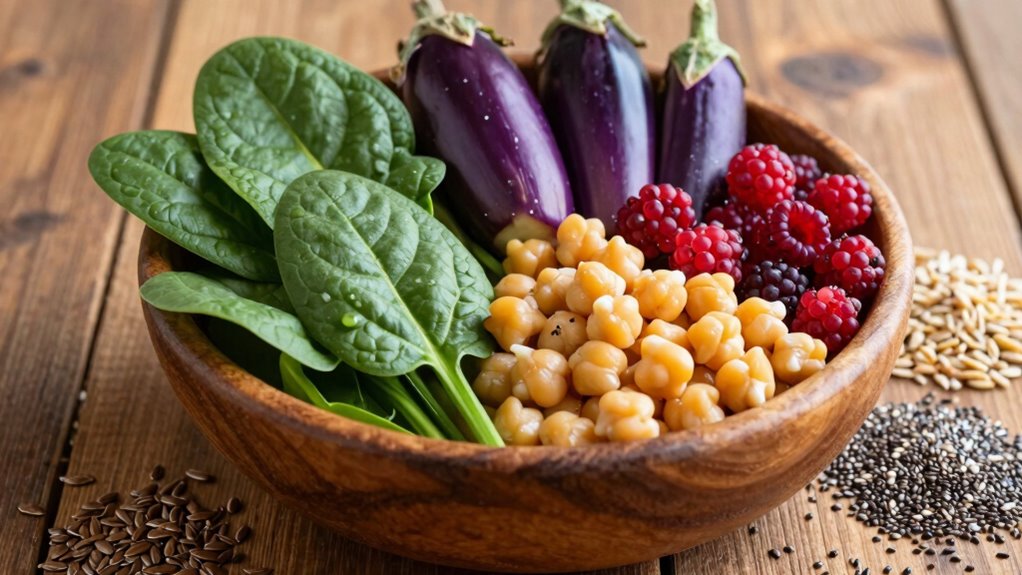
Have you ever wondered how a vegan diet can support your gut health? One of the key factors is how it influences your gut microbiome, the community of bacteria living in your digestive system. When you include a variety of fiber types in your meals, you promote a diverse and resilient microbiome. This diversity is vital because it enhances fermentation benefits, helping your gut produce essential short-chain fatty acids (SCFAs) like butyrate, acetate, and propionate. These SCFAs nourish your colon cells, reduce inflammation, and support overall gut integrity. Consuming different fiber sources ensures that your gut bacteria have a diverse food palette, which keeps your microbiome balanced and thriving. Incorporating a variety of plant-based foods also supports biodiversity, which is essential for resilient ecosystems, including your gut microbiome.
Probiotic sources are often associated with fermented foods like yogurt or kefir, but as a vegan, you can get probiotics from plant-based options. Fermentation benefits go beyond just the creation of probiotics; they also include increased nutrient availability and improved digestion. Fermented vegetables, such as sauerkraut and kimchi, are rich in live bacteria that can help restore and maintain a healthy gut flora. These foods contain beneficial strains like Lactobacillus and Bifidobacterium, which can aid digestion, reduce bloating, and support your immune system. Incorporating these probiotic sources regularly helps strengthen your gut’s microbial diversity, making it more resilient to disturbances like stress or antibiotics. Additionally, consuming a variety of fermentable foods can support microbial diversity, further enhancing your gut health. Recognizing the importance of fiber types that support different bacterial populations can help you tailor your diet for optimal gut function.
Frequently Asked Questions
How Much Fiber Should Vegans Consume Daily for Optimal Gut Health?
You should aim for about 25 to 30 grams of dietary fiber daily to support ideal gut health. Consuming enough fiber feeds your gut bacteria, promoting diversity and better digestion. Incorporate a variety of fiber-rich foods like fruits, vegetables, legumes, and whole grains. This not only benefits your gut bacteria but also helps regulate your bowel movements and boosts overall health. Stay consistent to see the best results.
Can Excessive Fiber Intake Cause Digestive Issues in Vegans?
Yes, excessive fiber intake can cause digestive issues in vegans. When you consume too much fiber, it can overwhelm your gut flora balance, leading to bloating, gas, and constipation. Fiber digestion becomes harder, and your body struggles to process it efficiently. To avoid these issues, gradually increase fiber intake and make certain you’re eating a variety of fiber types, supporting healthy gut flora balance and smooth digestion.
Are There Any Vegan-Specific Probiotics That Improve Gut Health?
Yes, there are vegan-specific probiotics focusing on plant-based fermentation. These strains, like Lactobacillus plantarum and Bifidobacterium animalis, are tailored for vegans and help improve gut health by supporting digestion and balancing gut flora. Ironically, if you think only animal products can boost gut health, plant-based fermentation proves otherwise. Incorporating these vegan probiotic strains into your diet can make a real difference for your digestive system.
How Does Cooking Affect the Fiber Content in Vegan Foods?
Cooking methods can impact fiber retention in vegan foods, often reducing the overall fiber content. When you steam or simmer vegetables, you generally preserve more fiber compared to boiling or frying, which can cause fiber loss. To maximize fiber retention, opt for gentle cooking techniques like steaming or roasting. This way, you maintain more of the beneficial fibers that support your gut health, ensuring you get the most nutritional benefit from your plant-based meals.
Which Vegan Foods Are Highest in Prebiotic Fibers?
You should focus on vegan fiber sources rich in prebiotic diversity, like chicory root, Jerusalem artichokes, garlic, onions, leeks, asparagus, and bananas. These foods promote gut health by feeding beneficial bacteria. Incorporating a variety of these prebiotic-rich vegan foods into your diet guarantees you get diverse fibers, supporting digestion and overall wellness. Aim for daily intake to maximize the gut benefits from prebiotic diversity.
Conclusion
Embracing different fiber types in your vegan diet is like planting seeds for a thriving gut garden. Each type nourishes your microbiome in unique ways, helping you feel energized and balanced. When you choose a variety of fibers, you’re watering the roots of your digestive health, allowing it to flourish. So, keep exploring colorful plant foods—you’re cultivating a vibrant, resilient gut that supports your overall well-being like a well-tended paradise.
Halloween Picks
halloween
As an affiliate, we earn on qualifying purchases.