
Choosing between ultra-processed and minimally processed plant foods impacts your health. Ultra-processed options often contain added sugars, unhealthy fats, artificial flavors, and preservatives, which can harm your nutrition and overall wellbeing. Minimally processed plant foods, like fresh vegetables, fruits, nuts, and seeds, retain most of their natural nutrients and flavors. By focusing on these wholesome choices, you support better health and sustainability. Keep exploring to discover practical tips for making smarter food choices every day.

Get kitchen staples and gadgets delivered free — and shop member deals
- Fast, free delivery on millions of items
- Access to Prime Big Deal Days deals on October 6–7
- Prime Video, Amazon Music and more included
Key Takeaways
- Minimally processed plant foods are close to their natural state, retaining most nutrients and natural flavors, unlike ultra-processed options.
- Ultra-processed plant foods often contain artificial ingredients, preservatives, added sugars, and unhealthy fats, reducing their nutritional value.
- Choosing minimally processed plant foods supports better health, nutrient intake, and reduces exposure to harmful additives.
- Read ingredient labels carefully to identify highly processed plant foods with long lists of chemical additives.
- Preparing plant foods at home preserves nutrients and allows natural flavors to shine without artificial seasonings.
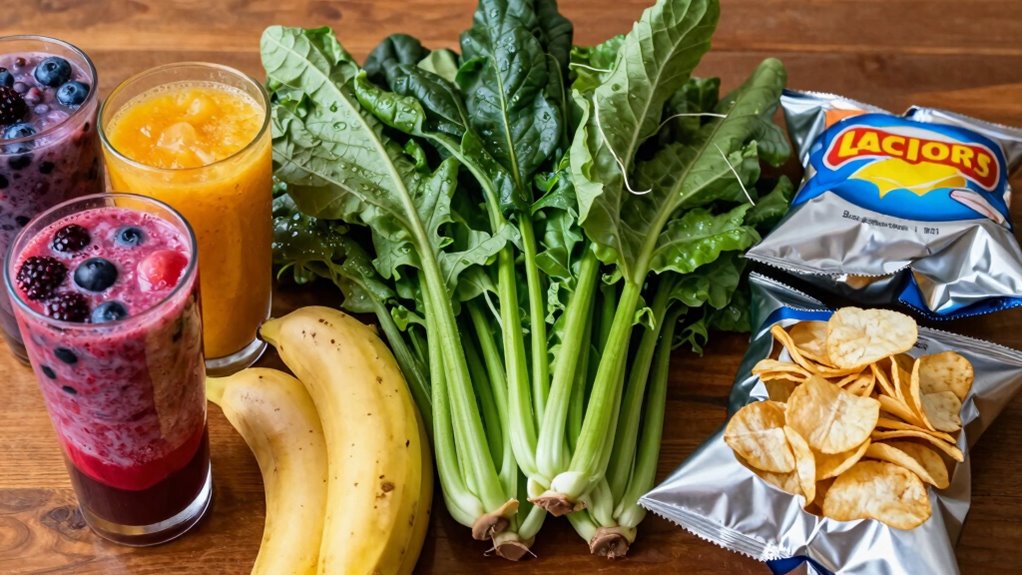
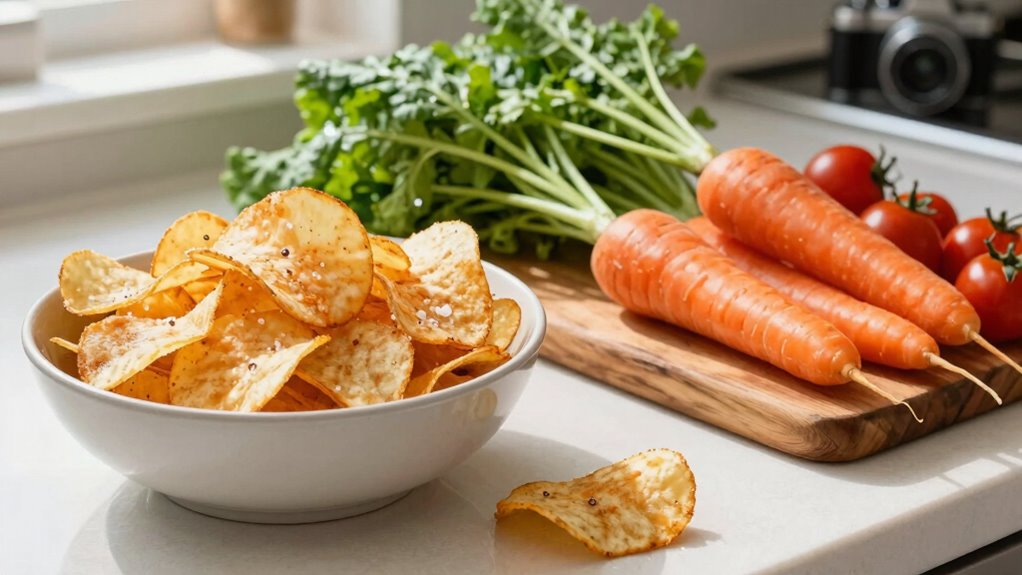
When choosing plant foods, understanding the difference between ultra-processed and minimally processed options is essential for making healthier decisions. Ultra-processed foods often undergo extensive manufacturing processes that can strip away natural nutrients and add artificial ingredients. They’re designed to be convenient, often benefiting from flavor enhancement techniques that make them more appealing but can also mask their lack of nutritional value. These foods might include items like snack chips, sugary cereals, and flavored plant-based snacks, which often contain preservatives, artificial flavors, and additives. While they may taste good initially, they typically lack the nutritional preservation found in less processed options. Consuming too many ultra-processed plant foods can lead to nutrient deficiencies and health issues like weight gain or metabolic problems over time. Additionally, many ultra-processed foods contain added sugars or unhealthy fats that can negatively impact overall health.
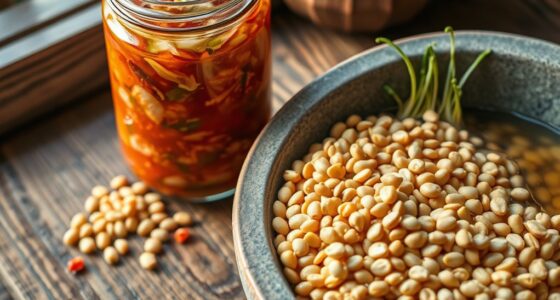
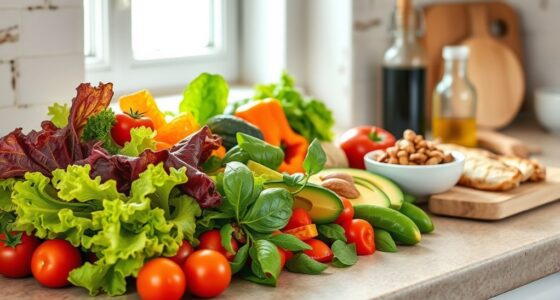
On the other hand, minimally processed plant foods are closer to their natural state. They undergo simple processes such as washing, peeling, chopping, or freezing, which help retain most of their original nutrients. When you choose minimally processed options like fresh fruits, vegetables, nuts, seeds, or minimally preserved grains, you’re getting a product that’s rich in fiber, vitamins, and minerals. These foods are less likely to contain artificial ingredients or preservatives, ensuring nutritional preservation. Because they retain more of their natural flavors, they often require less flavor enhancement—meaning you can enjoy their authentic taste without relying on added sugars or artificial seasonings. This natural flavor can be complemented with healthy herbs or spices, further enhancing taste without sacrificing nutritional value. Recognizing processing levels can help you select foods that are more nutrient-dense and healthful. Being aware of food additives can further guide you toward cleaner, more wholesome choices. Choosing whole foods over heavily processed options can also reduce exposure to potentially harmful chemicals and support sustainable practices.
The key difference lies in how these foods are prepared and what they preserve. Ultra-processed foods often prioritize flavor enhancement at the expense of nutrition, aiming to make foods more addictive or appealing through chemical additives, sweeteners, and flavorings. Conversely, minimally processed foods focus on preserving the original nutritional profile, making them a better choice for maintaining a balanced diet. When shopping, look for items with few ingredients, ideally recognizable whole foods, and avoid products with long lists of additives. Cooking minimally processed foods at home allows you to control flavor and preserve nutrients, giving you a healthier, more satisfying eating experience. By understanding these differences, you can make smarter choices that support your overall health while still enjoying tasty, natural plant-based foods. Focusing on food processing levels can help guide you toward more nutritious options that benefit your health in the long run.
As an affiliate, we earn on qualifying purchases.
Frequently Asked Questions
How Do Ultra-Processed Foods Impact Long-Term Health?
Ultra-processed foods can negatively impact your long-term health by causing additive effects like increased risk of chronic diseases. They often contain additives, preservatives, and unhealthy fats that lead to nutrient depletion, leaving you with fewer essential vitamins and minerals. Over time, consuming too many ultra-processed foods may contribute to weight gain, heart disease, and diabetes, making it essential to prioritize minimally processed plant foods for better health outcomes.
Are There Specific Ultra-Processed Plant Foods to Avoid?
Think of ultra-processed plant foods like a modern-day Frankenstein’s monster—full of artificial additives and flavor enhancers. You should avoid items like flavored potato chips, sugary snack bars, and instant noodles, which often contain these ingredients. These foods can contribute to health issues over time. Instead, opt for minimally processed options like fresh fruits, vegetables, nuts, and whole grains to keep your diet balanced and wholesome.
Can Minimally Processed Plant Foods Be Expensive?
Minimally processed plant foods can sometimes be expensive, but you can find cost-effective options by shopping seasonally, buying in bulk, or choosing local produce. Affordability strategies like visiting farmers’ markets or using frozen fruits and vegetables also help save money without sacrificing quality. By planning your meals around these options, you make it easier to incorporate healthy, minimally processed plant foods into your diet without overspending.
How Can I Identify Ultra-Processed Foods at the Store?
Ever wonder if that snack hiding on the shelf is ultra-processed? To spot them, start with packaging labels—look for words like “artificial,” “flavor,” or “preservative.” Then, scrutinize ingredient lists: if they contain long, unfamiliar additives or a laundry list of ingredients, it’s likely ultra-processed. Trust your instincts and choose simpler options with fewer ingredients for healthier plant-based choices.
What Are Simple Ways to Incorporate More Minimally Processed Plant Foods?
To incorporate more minimally processed plant foods, start by adding whole fruits and leafy greens to your meals. Snack on fresh fruits instead of processed snacks, and toss leafy greens into salads, smoothies, or sandwiches. Keep it simple by shopping around the perimeter of the store, where fresh produce is usually located. This way, you naturally increase your intake of minimally processed foods, boosting your nutrition and flavor.
Conclusion
By choosing minimally processed plant foods, you empower your body with nutrients that are as close to nature as possible—like opening a treasure chest of health. While ultra-processed options may seem tempting, they can turn your health journey into a wild goose chase. Stick to the real deal, and you’ll fuel your body with the energy it deserves—making your wellness quest feel like conquering the universe, one wholesome bite at a time.
NFL season / tailgating Picks
team gear
As an affiliate, we earn on qualifying purchases.