
Seaweed snacks are a sustainable superfood that you can enjoy guilt-free. They grow naturally in the ocean, absorbing nutrients without needing fresh water, land, or fertilizers. Rich in vitamins, minerals, and antioxidants, they support your health while reducing environmental impact. As a renewable resource, seaweed promotes ocean conservation and climate change mitigation. Keep exploring to discover how these eco-friendly snacks fit into a healthy, sustainable lifestyle perfectly.
Key Takeaways
- Seaweed snacks are produced from sustainably farmed edible seaweeds that naturally absorb nutrients without land or freshwater use.
- They act as natural carbon sinks, helping reduce greenhouse gases and combat climate change.
- Rich in essential nutrients like iodine, vitamins, and minerals, supporting health with minimal environmental impact.
- Their rapid growth allows for multiple harvests annually, promoting renewable, eco-friendly superfood sources.
- Cultivating seaweed requires no fertilizers or pesticides, making it an environmentally responsible food choice.
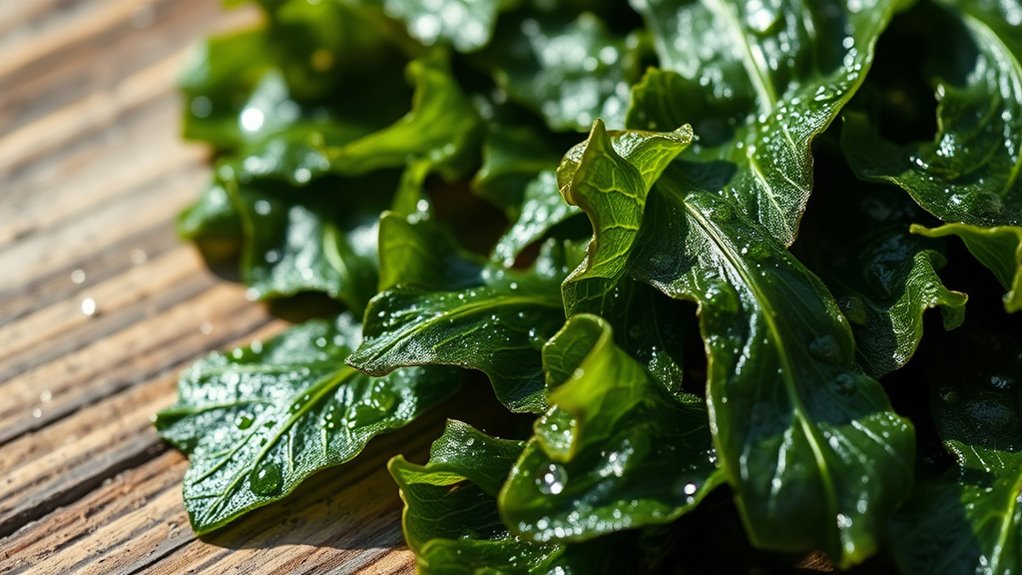
Have you ever tried seaweed snacks? If not, you might be missing out on a tasty, nutritious treat that’s gaining popularity for good reason. Seaweed farming, which involves cultivating various species of edible seaweeds like nori, kelp, and wakame, has become a sustainable way to produce these superfoods. Unlike land crops that require extensive water, fertilizer, and land, seaweed grows naturally in the ocean, absorbing nutrients directly from the water. This makes seaweed farming an eco-friendly alternative to traditional agriculture, with minimal environmental impact. As demand for healthy snacks rises, seaweed farms are expanding, providing a renewable source of nutrient-rich ingredients that support both local economies and the environment.
Seaweed farming is a sustainable, eco-friendly way to produce nutrient-rich superfoods that support health and the environment.
The health benefits of seaweed are impressive and well-documented. It’s packed with essential vitamins and minerals, including iodine, calcium, magnesium, and vitamins A, C, and K. Iodine, in particular, is vital for proper thyroid function and helps regulate metabolism. Incorporating seaweed snacks into your diet can boost your immune system and improve digestion thanks to their high fiber content. Additionally, seaweed contains antioxidants that combat oxidative stress, potentially lowering the risk of chronic diseases. Its natural umami flavor makes it an appealing snack, offering a savory, salty taste without the need for excessive salt or artificial additives. Because seaweed is low in calories but high in nutrients, it’s an excellent choice for anyone looking to maintain a balanced diet or lose weight. The ability of seaweed to absorb nutrients from the water contributes to its high mineral content, making it a nutrient-dense superfood.
When you choose seaweed snacks, you’re also supporting sustainable practices. The cultivation of seaweed requires no fresh water or arable land, making it a responsible choice in a world where resources are increasingly strained. Seaweed acts as a natural carbon sink, helping reduce greenhouse gases and combat climate change. Its rapid growth rate means it can be harvested multiple times a year, providing a consistent supply without depleting natural stocks. By opting for seaweed snacks, you’re not only nourishing your body but also contributing to a healthier planet.
Incorporating seaweed into your snack routine is simple and versatile. You can find crispy sheets, roasted nori, or seasoned strips that satisfy crunchy cravings while delivering a nutritional punch. Whether you snack on them straight out of the package or add them to salads, rice bowls, or soups, seaweed offers a convenient way to enjoy a superfood that’s as good for your health as it is for the environment. So next time you’re looking for a tasty, eco-friendly snack, reach for seaweed—it’s a small choice with big benefits.
Frequently Asked Questions
Are Seaweed Snacks Suitable for Vegans and Vegetarians?
Yes, seaweed snacks are suitable for vegans and vegetarians. They typically have vegan approval, making them a great choice for plant-based diets. You’ll find many vegetarian options available, as they are made from natural seaweed with no animal products. You can enjoy these snacks guilt-free, knowing they align with your dietary preferences and provide a sustainable, nutritious superfood alternative.
How Do Seaweed Snacks Compare Nutritionally to Other Snacks?
Did you notice how seaweed snacks often surprise you with their nutritional comparison to other snack alternatives? They’re typically lower in calories and fat, yet rich in iodine, vitamins, and minerals. Compared to chips or candy, seaweed snacks offer a healthier, nutrient-dense option that supports your wellness goals. So, if you’re looking for a nutritious alternative that’s both tasty and sustainable, these snacks stand out as a smart choice.
Can Seaweed Snacks Be Safely Consumed Daily?
You can safely enjoy seaweed snacks daily, but it is crucial to watch your daily intake. Eating them in moderation supports long-term health by preventing excessive iodine consumption, which can affect your thyroid. Incorporate seaweed snacks into a balanced diet, and consult with a healthcare professional if you have thyroid issues or concerns. This way, you enjoy their nutritional benefits without risking any negative effects on your long-term health.
Are There Any Allergen Concerns With Seaweed Snacks?
You should know that about 1% of people have a seaweed allergy, so it’s worth being cautious. If you have iodine sensitivity, you might also react to seaweed snacks, since they’re naturally high in iodine. Always check labels and consult with your doctor if you’re unsure. While generally safe for most, these allergen concerns mean it’s best to start with small amounts.
How Sustainable Is the Harvesting of Seaweed for Snacks?
You’ll find that harvesting practices for seaweed snacks are generally sustainable, as they often involve careful, responsible collection methods that minimize environmental impact. Wild seaweed is typically harvested by hand, avoiding damage to ecosystems, while farmed seaweed promotes renewable resources. This sustainable approach helps reduce carbon footprint and preserves marine environments, making seaweed snacks an eco-friendly choice. However, it’s good to stay informed about specific harvesting practices to guarantee environmental impact remains minimal.
Conclusion
By choosing seaweed snacks, you’re not just indulging in a tasty treat—you’re making a smart move for the planet. These superfoods are sustainable and packed with nutrients, proving that good things come in small packages. So, don’t overlook the power of this ocean’s gift; it’s a win-win situation. Remember, the proof is in the pudding, and with seaweed, the proof is in the health and environmental benefits you’ll enjoy every day.