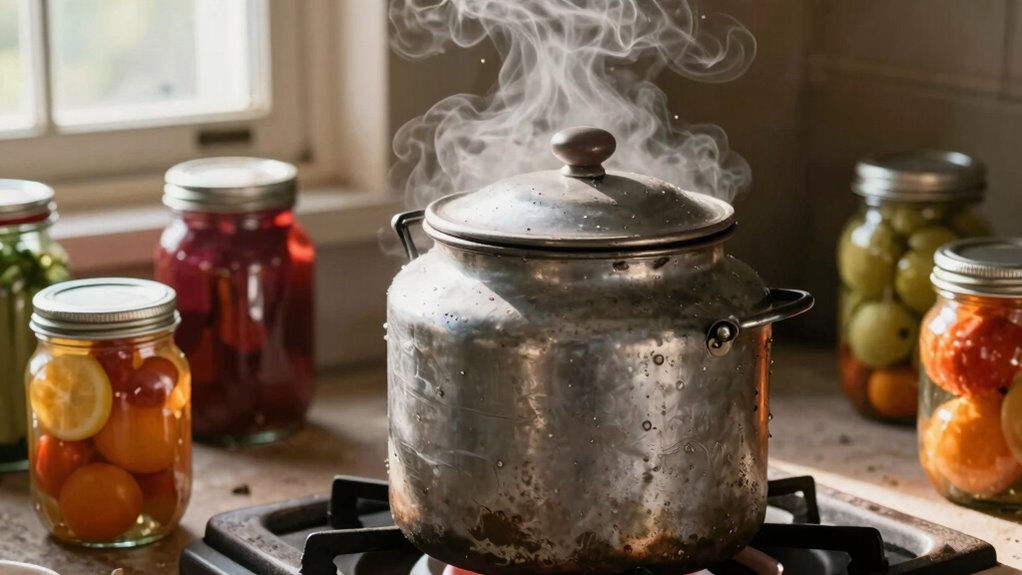

Pressure canning may scare beginners for good reason — a small mistake can cause dangerous bacteria like *Clostridium botulinum* to grow, leading to foodborne illnesses. Using improper techniques, rushing, or neglecting safety equipment increases risks. Managing pressure and temperature correctly is essential for safe preservation. If you follow proper steps and watch for common mistakes, you can enjoy home-canned foods confidently. Keep exploring to learn crucial tips for safe, successful pressure canning.
Listen free for 30 days with Audible
Thousands of audiobooks and originals — cancel anytime.
As an affiliate, we earn on qualifying purchases.
Key Takeaways
- Improper pressure canning can lead to deadly *Clostridium botulinum* growth if safety steps are skipped.
- Using incorrect pressure levels or outdated equipment increases the risk of spoilage and foodborne illness.
- Rushing or ignoring proper procedures compromises sterilization, sealing, and overall food safety.
- Failing to recognize spoilage signs like mold, cloudiness, or broken seals can cause health hazards.
- Proper equipment maintenance and safety gear are essential to prevent accidents and ensure safe preservation.
pressure canner with pressure gauge
As an affiliate, we earn on qualifying purchases.
As an affiliate, we earn on qualifying purchases.
Why Pressure Canning Can Be Dangerous (And How To Stay Safe)
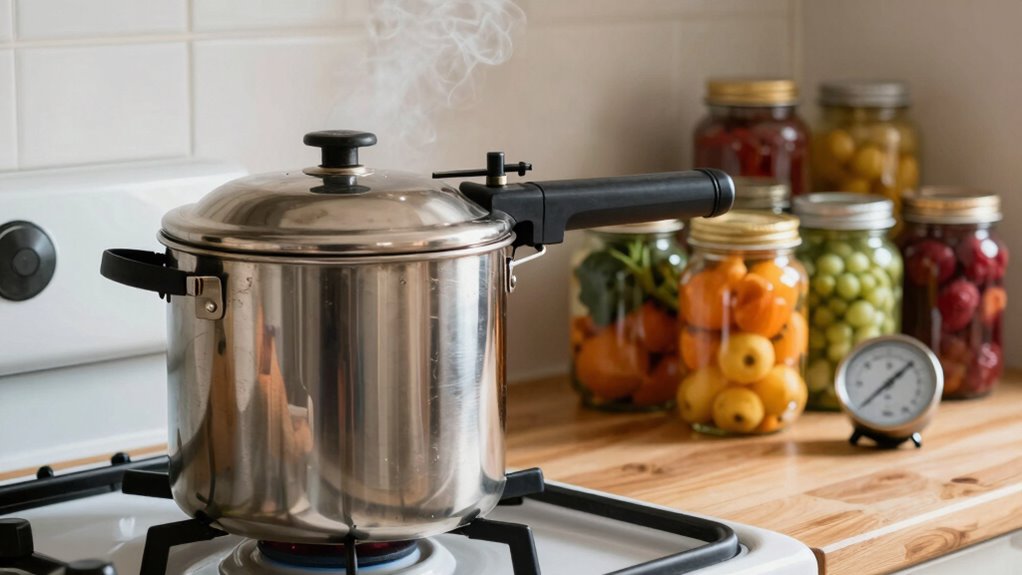
Pressure canning can be dangerous if you don’t follow proper safety procedures because it involves high heat and pressure that can lead to serious accidents. Many canning myths, like using old jars or skipping venting, increase risks. It’s crucial to understand the correct process and avoid shortcuts. Proper storage tips also matter; storing canned goods in a cool, dark place prevents spoilage and reduces risks of bacterial growth. Always check jar seals before storing, and discard any that aren’t properly sealed. Never rush the process or ignore pressure gauge instructions. Safety isn’t just about following rules—it’s about protecting yourself and your family. By understanding these dangers and sticking to proven methods, you can enjoy the benefits of pressure canning without unnecessary hazards. Awareness of canning safety guidelines ensures you minimize risks and keep your canned foods safe. Additionally, staying informed about early warning signs of equipment malfunction can help prevent accidents before they happen. Being familiar with proper pressure levels and how to monitor them accurately can significantly reduce potential dangers. Regularly inspecting your pressure canner for wear and tear can also prevent unexpected failures during processing. Recognizing signs of gasket failure can further prevent dangerous malfunctions during operation.
What Are The Risks Of Improper Pressure Canning?
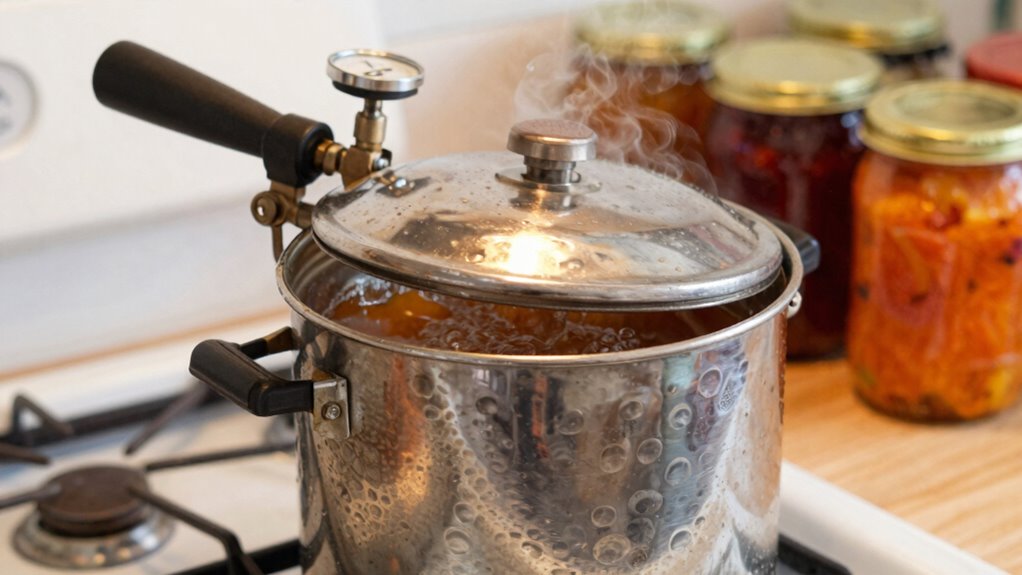
When pressure canning isn’t done properly, the risks can be serious and potentially life-threatening. Improper techniques can lead to underprocessing, which allows harmful bacteria like Clostridium botulinum to grow, risking botulism. Many canning myths suggest shortcuts or skipping steps, but these can compromise safety. For example, incorrect pressure levels or inadequate sealing can cause spoilage or dangerous bacterial growth. Additionally, poor storage tips—such as storing canned foods in warm or humid environments—can increase spoilage risks. Proper ventilation during storage can help prevent condensation and mold growth on canned goods. Ensuring proper heat distribution is essential for effective sterilization and safety. Proper calibration of pressure and temperature settings ensures consistent results, which is why understanding contrast ratio and other technical factors is crucial for safety. It’s also important to regularly check your equipment’s pressure gauges to maintain accurate readings. Always follow tested recipes and guidelines to guarantee safety. Properly processed jars are safe to store long-term, but neglecting proper procedures can turn your efforts into health hazards. Never take shortcuts; safety comes from precise techniques and adherence to proven methods.
What Safety Equipment Do You Need For Pressure Canning?
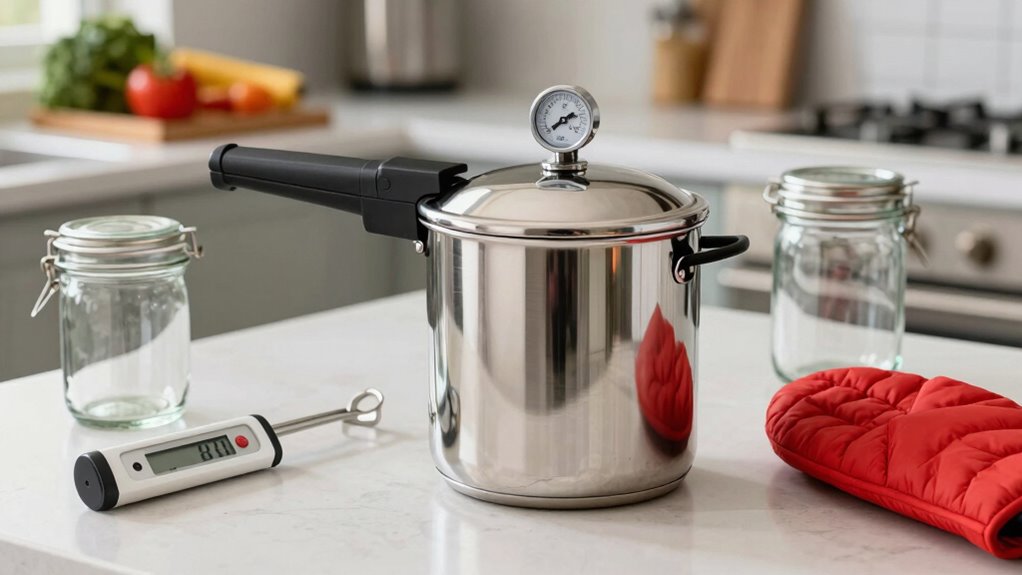
To stay safe during pressure canning, you need essential safety gear like heat-resistant gloves and eye protection. Proper protective clothing, such as long sleeves and an apron, helps prevent burns and spills. Always make sure you have the right equipment before starting to avoid accidents. Additionally, considering fire safety measures can further reduce risks associated with handling hot equipment and steam. Understanding ethical consumer choices can also guide you toward safer, more sustainable practices in your kitchen. Being aware of cultural shifts in safety standards can help you stay informed about best practices in home canning. Incorporating safety protocols from reputable sources ensures you follow the most current guidelines to protect yourself and your family. Staying informed about current safety standards can help you adapt to evolving recommendations and improve your canning safety.
Essential Safety Gear
Before you start pressure canning, it’s essential to have the right safety gear in place to protect yourself throughout the process. You should wear sturdy gloves to handle hot canning jars safely, preventing burns or slips. Use eye protection like safety glasses to shield yourself from steam or splashes. Confirm your canning jars are in good condition, free of cracks or chips, to maintain seal integrity during processing. A reliable jar lifter makes removing hot jars safer and easier. Keep a clean towel or heat-resistant pad nearby to set jars on as they cool. Proper safety gear minimizes risks, helps prevent accidents, and ensures your canning experience is safe and successful. Always prioritize safety to enjoy preserving with confidence. Staying aware of everyday safety tips and making smart choices can help you prevent common accidents during pressure canning. Additionally, understanding pressure canning safety guidelines can further reduce potential hazards during the process. Incorporating proper safety equipment into your routine is essential for a safe and successful canning session. Familiarizing yourself with canning safety practices can also enhance your overall safety during each step. Remember that feature Buddies can be a helpful resource for troubleshooting or safety advice if you encounter any issues.
Proper Protective Clothing
Proper protective clothing is essential for keeping you safe during pressure canning. Wearing the right protective gear helps prevent burns, steam injuries, and spills. You should wear heat-resistant gloves to handle hot jars and lids safely, and an apron to protect your clothing from splashes. Safety protocols also include wearing long sleeves and closed-toe shoes to shield your skin from hot liquids and steam. Eye protection, like safety goggles, is advisable when working with high-pressure equipment to prevent steam burns or splashes. Always verify your protective gear is in good condition and fits well. Following these safety protocols minimizes risks and keeps you safe throughout the pressure canning process, giving you confidence to focus on your preserving tasks.
How Does Pressure And Temperature Keep Your Food Safe?
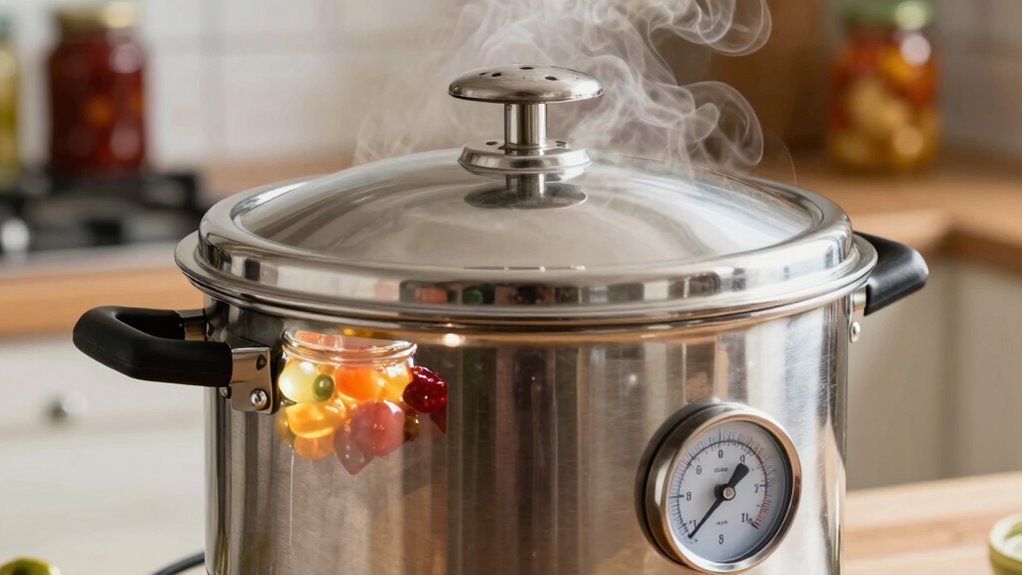
How do pressure and temperature work together to keep your food safe during canning? During the process, pressure increases inside your canner, which raises the temperature above boiling point. This combination is vital for food preservation because it destroys harmful bacteria, yeasts, and molds that can cause spoilage or foodborne illnesses. Proper canning techniques guarantee that your food reaches the right temperature for the correct amount of time, making it safe to store long-term. The pressure acts as a control mechanism, allowing you to maintain consistent heat levels necessary to neutralize dangerous microorganisms. Additionally, understanding pressure regulation is essential for achieving reliable results in home canning. Properly managing pressure and temperature ensures the safety and effectiveness of the process. Without this careful regulation of pressure and temperature, your canned foods could be unsafe. Understanding how pressure and temperature interact is essential for safe, effective canning. Regularly monitoring canner gauges helps prevent errors and ensures optimal conditions throughout the process.
How To Choose The Right Pressure Canner For Beginners
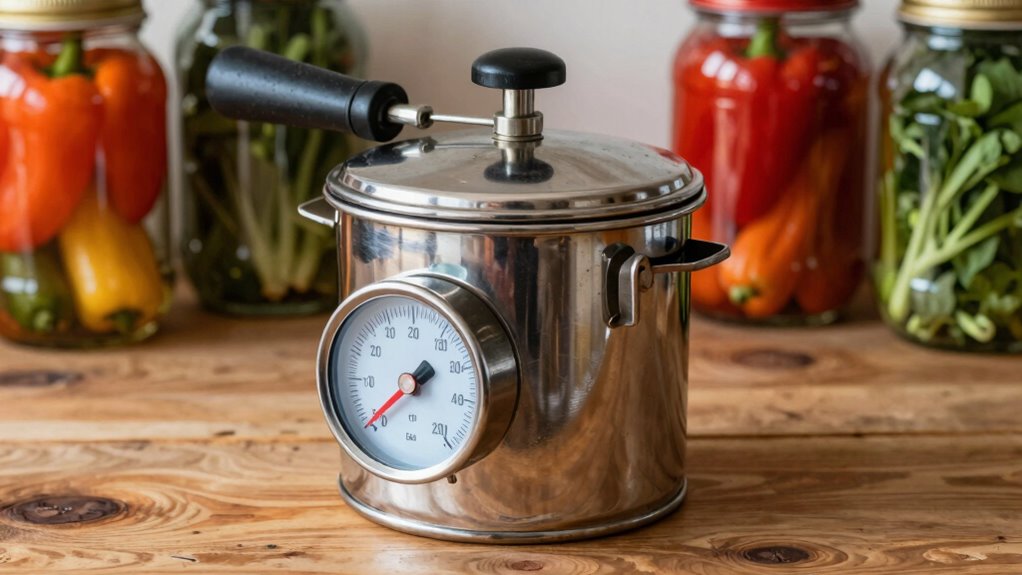
Choosing the right pressure canner might seem overwhelming at first, but focusing on a few key factors can make the process much simpler. First, consider the size—smaller canners are great for beginners and fit standard canning jars comfortably. Next, check the pressure gauge; a reliable, accurate gauge ensures your food stays safe. Third, look for models with sturdy, durable construction to withstand frequent use. Finally, verify that the canner is compatible with your canning jars—some fit certain jar sizes better. Trust your instincts, and don’t hesitate to ask questions or seek advice. Remember, a good pressure canner provides peace of mind and safe preservation, making your canning journey enjoyable and successful. Additionally, understanding the importance of proper maintenance can extend the lifespan of your canner and ensure consistent safety during each use.
Step-By-Step Guide To Safe Pressure Canning
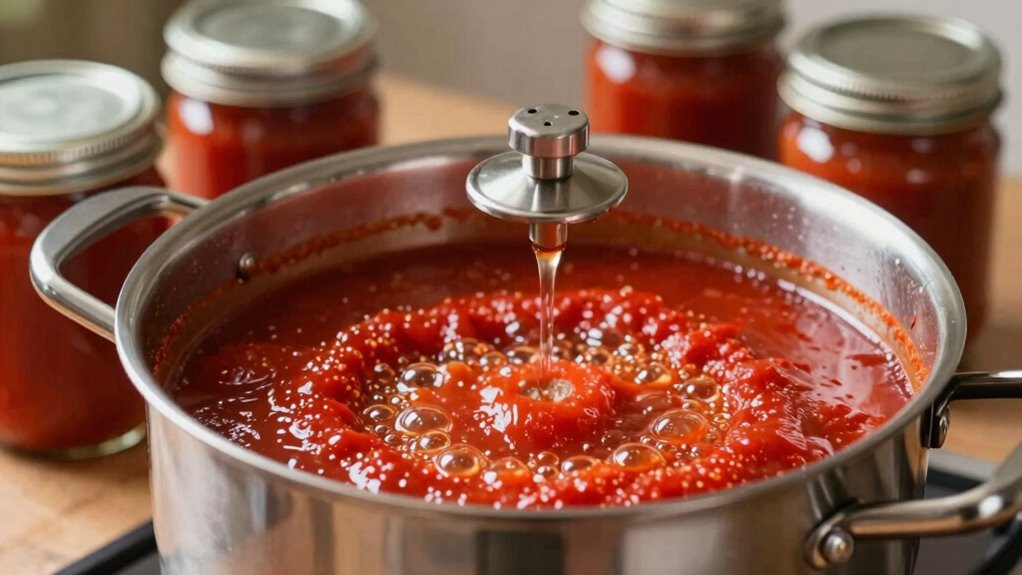
To guarantee your pressure canning is safe and successful, follow a clear, step-by-step process. Begin by preparing your jars and lids, ensuring they’re clean and in good condition. Fill each jar with your prepared food, leaving the recommended headspace. Secure the lids and place the jars into the pressure canner. Close the lid tightly and heat the canner over medium-high heat. Once pressure builds, monitor the pressure gauge closely. When the target pressure is reached, start timing your jar processing. After the processing time, turn off the heat and allow the pressure to release naturally—this is your pressure release step. Only when the pressure drops to zero can you carefully remove the jars. Proper jar sealing indicates your food is safely preserved.
Top Mistakes Beginners Make And How To Avoid Them
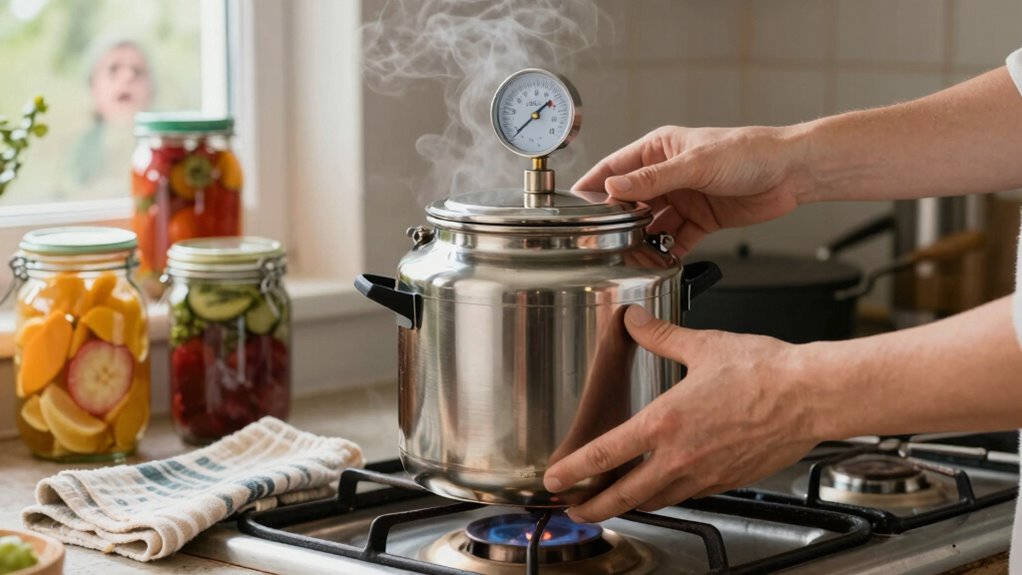
Beginners often make critical mistakes in pressure canning that can compromise safety and food quality. One common error is rushing through canning recipes without double-checking processing times or pressure levels. Second, failing to properly label jars leads to confusion and potential misuse later. Third, neglecting to adjust for altitude can cause underprocessing, risking spoilage. Finally, using old or damaged jars or lids can result in leaks or seal failures. To avoid these pitfalls, follow precise canning recipes, always check jar labels for correct processing instructions, adjust pressure for your elevation, and inspect jars thoroughly. Taking these steps ensures safe, delicious canned foods and peace of mind every time you preserve.
How To Recognize And Fix Canning Problems
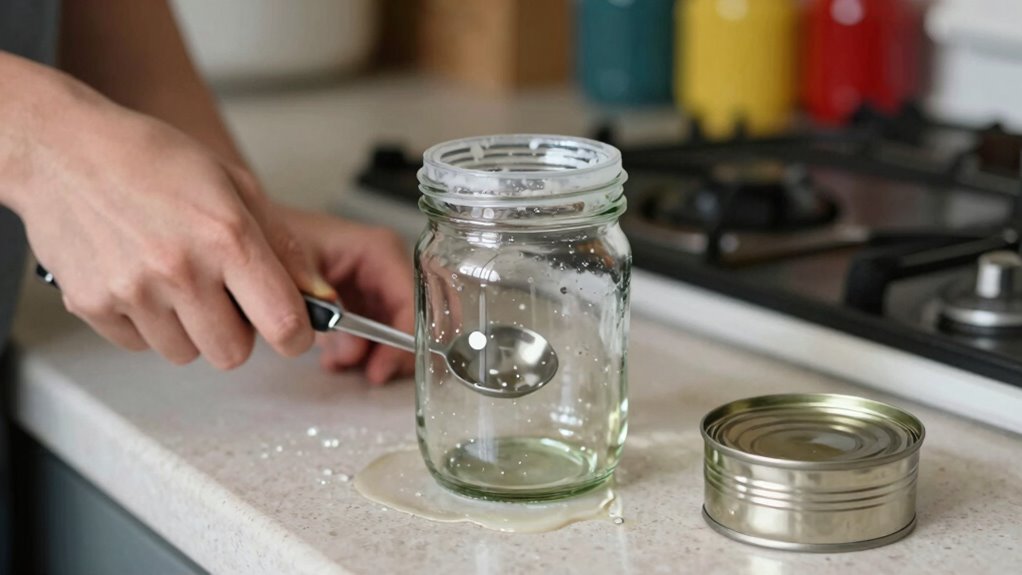
You need to know how to spot common canning issues like spoilage, improper seals, or cloudy liquid. When problems arise, follow troubleshooting steps to identify and address them quickly. Being vigilant ensures your canned goods stay safe and delicious.
Common Canning Issues
Canning can be rewarding, but it’s not without its pitfalls. Common issues can cause frustration or food safety concerns. Beware of canning myths that lead to unsafe practices—like overfilling jars or skipping headspace. To prevent problems, focus on proper storage tips and technique. Here are key issues to watch for:
- Spoiled jars: Result from improper sealing or contamination, risking foodborne illness.
- Broken seals: Usually indicate mishandling or temperature issues, compromising safety.
- Gassy jars: Indicate fermentation or spoilage, signaling you should discard the contents.
- Mold or discoloration: Point to spoilage, often caused by poor storage or contaminated jars.
Sticking to tested methods and accurate storage tips keeps your canned goods safe and delicious.
Troubleshooting Techniques
When issues like broken seals or gassy jars arise, recognizing the signs early can save your canned goods and guarantee safety. First, don’t fall for canning myths that suggest all jar sealing problems mean spoilage—sometimes, seals can be broken during handling or storage. Check the lid’s vacuum; if it’s not concave or if the lid moves when pressed, the jar isn’t sealed properly. Gassy jars often indicate fermentation or spoilage, so examine for bulging lids or foul odors. Fix sealing issues by reprocessing jars if possible or refrigerating and consuming promptly. Remember, proper jar sealing is essential for safe preservation, so always verify seals before storing. Troubleshooting these problems quickly helps ensure your canned foods stay safe and delicious.
How To Build Confidence And Succeed In Pressure Canning
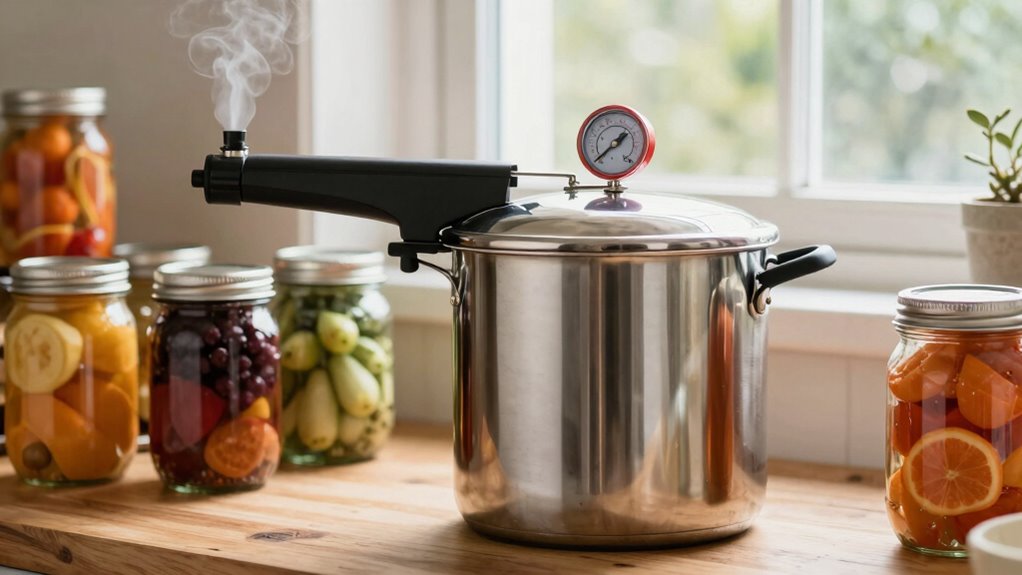
Building confidence in pressure canning starts with understanding the process and practicing in small, manageable steps. Begin with simple canning recipes to build your skills and trust in your methods. Focus on mastering storage techniques so your preserved foods stay safe and flavorful. To bolster your confidence:
- Follow tested recipes precisely to ensure safety.
- Keep detailed notes to track what works best.
- Double-check your equipment and gauges regularly.
- Celebrate small successes to stay motivated.
As you gain experience, you’ll feel more comfortable experimenting with new canning recipes and optimizing storage techniques. Remember, confidence comes from knowledge and repetition—trust your skills, stay cautious, and enjoy the process of creating your own preserved foods.
Frequently Asked Questions
Can I Pressure Can Without a Thermometer?
You shouldn’t pressure can without a thermometer, as accurate temperature control is essential for canning safety. A reliable dial or digital thermometer ensures you reach the correct pressure, preventing bacteria growth. Regular equipment maintenance, like checking gauges and seals, helps maintain proper pressure levels. Without a thermometer, you risk under- or over-processing, which can spoil food or cause safety hazards. Always use proper tools to keep your canning safe and effective.
How Long Does Pressure Canning Typically Take?
Pressure canning usually takes between 45 minutes to over two hours, depending on what you’re canning and your equipment. Timing variations occur based on jar size, food type, and altitude adjustments. Equipment considerations include using a reliable pressure canner with a proper gauge and ensuring it maintains consistent pressure. Always follow tested recipes and guidelines, as precise timing and equipment safety are essential for safe canning.
Is It Safe to Pressure Can Low-Acid Foods?
Yes, it’s safe to pressure can low-acid foods if you follow proper food safety guidelines. You need to use a pressure canner to reach the necessary temperatures to destroy harmful bacteria. Additionally, pH testing is essential to verify the food’s acidity level is safe for pressure canning. Accurate pH testing helps prevent spoilage and foodborne illnesses, making your canning process safe and effective.
What Are the Signs of a Failing Pressure Canner?
Think of your pressure canner as a trusted ship—if it’s failing, it risks sinking. Signs include steam leaks, a gauge that won’t stabilize, or unusual noises during operation. Regular pressure canner maintenance is essential for safety. Follow canning safety tips diligently, and if you notice any of these signs, stop using the canner immediately and get it inspected or replaced. Trust your equipment to keep your canned goods safe.
Can I Reuse Canning Jars and Lids?
Yes, you can reuse canning jars, but only if they’re in good condition without cracks or chips. However, lid safety is vital—metal lids are typically single-use, as they form a seal during processing. For jar reuse, always inspect for damage, and use new lids to guarantee a proper seal and safe preservation. This guarantees your canned goods stay safe and fresh over time.
Conclusion
Beginning the journey of pressure canning may seem intimidating at first, but with patience and proper knowledge, you’ll find it a rewarding skill to master. Embrace the learning curve as an opportunity to deepen your understanding and confidence. Remember, even the most seasoned canners started with curiosity and caution. With each safe step, you’ll cultivate not only delicious preserves but also a sense of accomplishment that’s truly worth savoring.
NFL season / tailgating Picks
team gear
As an affiliate, we earn on qualifying purchases.