
To meal prep without plastic, focus on reusable containers like glass or BPA-free plastics that are durable, microwave-safe, and stain-resistant. Use eco-friendly wraps, silicone lids, or cloth bags instead of plastic wrap and foil. Organize your containers by meal type to reduce waste, label them with eco-friendly markers, and clean them promptly to extend their lifespan. These sustainable habits help cut plastic waste and support a greener routine—keep exploring to discover more ways to make your kitchen eco-friendly.

Get kitchen staples and gadgets delivered free with Prime
- Fast, free delivery on millions of items
- Prime Video, Amazon Music and more included
- Member-only deals all year
Key Takeaways
- Use glass or BPA-free plastic containers for durable, microwave-safe, and odor-free meal storage.
- Incorporate reusable options like beeswax wraps, silicone lids, and cloth bags to replace plastic wraps and foil.
- Organize meals with designated containers and eco-friendly labels to reduce waste and spoilage.
- Wash and maintain containers promptly, avoiding harsh chemicals to ensure longevity and sustainability.
- Plan meals ahead and choose eco-conscious packaging to minimize landfill contributions and promote a greener routine.

Many people want to meal prep but hesitate because of concerns about plastic waste and its environmental impact. You might worry about the amount of single-use plastic containers that often come with store-bought meals or how disposable packaging contributes to landfill overflow. Fortunately, you can develop a sustainable storage workflow that minimizes plastic use while keeping your meals fresh and organized. The key is to choose reusable containers and opt for eco-friendly packaging options whenever possible.
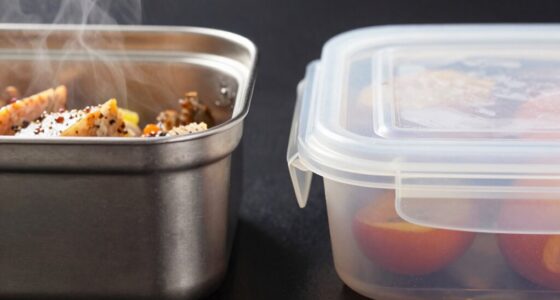
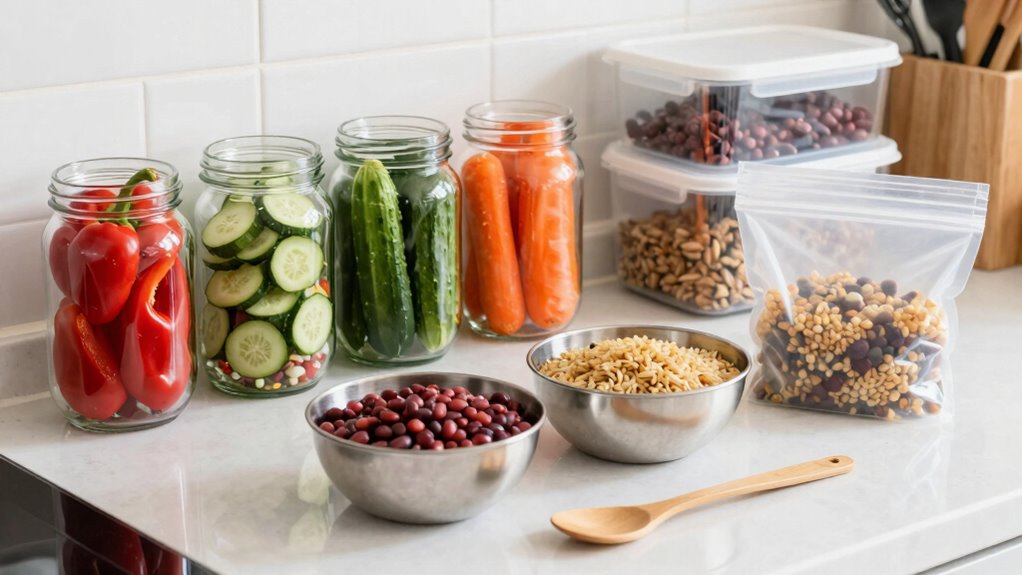
Switching to reusable containers is one of the most effective ways to reduce plastic waste in your meal prep routine. These containers come in various sizes, materials, and designs, so you can find options that suit your needs. Glass containers are durable, microwave-safe, and don’t stain or retain odors, making them an excellent choice for daily use. Plastic reusable containers made from BPA-free materials are lightweight and affordable, providing a practical alternative to single-use plastics. By investing in quality reusable containers, you eliminate the need for disposable packaging and create a more eco-conscious habit. Understanding the lifecycle of your storage solutions can help you make more sustainable choices and extend the usefulness of your containers.
Switch to durable glass or BPA-free plastic containers to cut waste and support eco-friendly meal prep habits.
In addition to containers, consider incorporating eco-friendly packaging accessories into your workflow. Beeswax wraps, silicone lids, and cloth sandwich bags are sustainable options that can replace plastic wrap and foil. These alternatives are reusable, washable, and safe for food storage, helping you cut down on waste without sacrificing convenience. When you do need to pack items for transport, look for biodegradable or compostable packaging options that break down naturally and have minimal environmental impact. Biodegradable packaging is an increasingly popular choice for reducing landfill contributions. Using sustainable packaging options can further enhance your commitment to an eco-friendly routine.
Another essential aspect of a plastic-free meal prep routine is mindful organization. Designate specific containers for different meal types or ingredients, and label them with eco-friendly markers or chalk labels. This practice streamlines your prep process and reduces unnecessary opening and closing of containers, which can lead to waste or spoilage. Keeping your storage area organized also encourages you to plan meals in advance, reducing the temptation to use disposable packaging out of convenience. Additionally, practicing mindful organization can help you maintain a clutter-free space and reduce waste. Proper care of your containers, such as washing them promptly and avoiding harsh chemicals, will prolong their lifespan, ensuring you can maintain a sustainable meal prep routine day after day. By making these mindful choices, you’re not only reducing plastic waste but also contributing to a healthier planet, all while enjoying the benefits of organized, eco-conscious meal prep.
As an affiliate, we earn on qualifying purchases.
Frequently Asked Questions
How Long Can Prepared Meals Last Without Plastic Containers?
Prepared meals can last up to 3-4 days without plastic containers if you use glass or stainless steel for food preservation. These materials offer excellent container durability and help keep your food fresh longer. Verify to store meals in airtight, leak-proof containers to prevent spoilage. Proper storage techniques and choosing sustainable, durable containers ensure your meals stay safe and fresh, reducing waste and supporting eco-friendly habits.
Are Glass Containers Suitable for Microwave Reheating?
Did you know that over 90% of Americans own a microwave? Yes, glass containers are suitable for microwave reheating because they’re microwave-safe and don’t leach chemicals. Just make sure the container is labeled microwave-safe, and avoid sudden temperature changes to prevent breaking. Glass material is an excellent choice for reheating, offering safety and durability, making it a sustainable option for your meal prep routine.
What Are Eco-Friendly Alternatives to Plastic Bags?
You can replace plastic bags with eco-friendly options like biodegradable packaging and reusable fabric wraps. Biodegradable packaging breaks down naturally, reducing waste, while reusable fabric wraps are versatile, washable, and perfect for storing snacks or sandwiches. These alternatives not only help cut down on plastic pollution but also keep your food fresh. By choosing these sustainable options, you contribute to a healthier planet and promote eco-conscious habits in your meal prep routine.
How Can I Prevent Food From Spilling During Storage?
To prevent food from spilling during storage, you can use reusable wraps and compostable lids. Wrap your food securely with reusable beeswax wraps or silicone covers, ensuring a tight seal. For containers, opt for ones with sturdy, leak-proof lids, preferably compostable if possible. Always double-check the seals before storing; this simple step keeps your food fresh and prevents messes, making your storage more sustainable and efficient.
Are Silicone Storage Options as Sustainable as Glass?
Silicone storage options are fairly sustainable, thanks to their durability and flexibility. Silicone’s durability means it lasts a long time without cracking or breaking, reducing waste. Its flexibility makes it easy to store and pack, even when empty. While glass is more eco-friendly overall, silicone offers a reusable, lightweight alternative that can be used daily without much wear and tear. Just make certain it’s food-grade and BPA-free for safety.
Conclusion
Now, picture yourself filling glass containers with vibrant salads and fragrant grains, each lid sealing in freshness without a trace of plastic. As you slide these into your eco-friendly tote, you feel a satisfying connection to the earth, knowing you’re making a difference. Your kitchen transforms into a sanctuary of sustainability, where colorful meals await each day’s adventure. With every conscious choice, you’re crafting a future where nourishment and nature thrive side by side.
Halloween Picks
halloween
As an affiliate, we earn on qualifying purchases.