
TL;DR

Get kitchen staples and gadgets delivered free — and shop member deals
- Fast, free delivery on millions of items
- Access to Prime Big Deal Days deals on October 6–7
- Prime Video, Amazon Music and more included
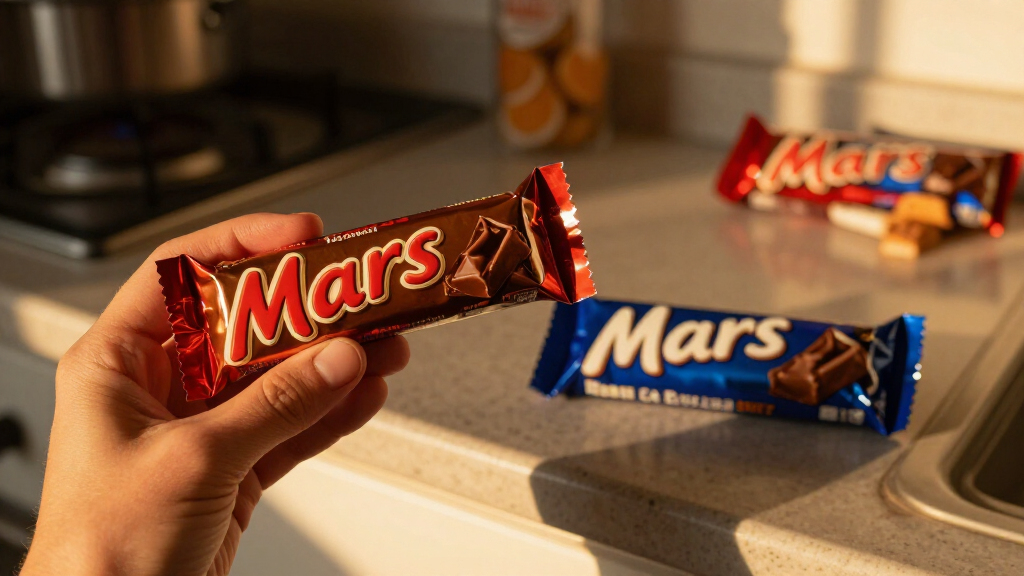
A 1991 Mars Bar was recently found and is confirmed to be 20 grams heavier than today’s version. The discovery highlights differences in product sizes over the years, sparking interest among consumers and food historians.
A Mars Bar from 1991 has been discovered and confirmed to weigh 20 grams more than the current versions available today. The find has attracted attention from consumers and food historians, as it underscores changes in confectionery manufacturing over the past three decades.
The 1991 Mars Bar was found intact, and its weight was measured at approximately 62 grams, compared to the 42 grams typical of today’s Mars Bars, according to the measurement conducted by a collector who obtained the item from an old stockpile. The discovery was verified by a food packaging expert, who confirmed the weight difference.
Manufacturers have not officially commented on the change, but industry analysts suggest that the variation may be due to changes in recipe, packaging, or marketing strategies aimed at reducing costs or aligning with new product standards. The 1991 version’s larger size is consistent with the trend of larger snack portions common in the early 1990s.
Implications of Changing Mars Bar Sizes Over Time
This discovery illustrates how product sizes have evolved over the years, often reflecting shifts in consumer preferences, manufacturing costs, and marketing strategies. The size difference may influence consumer perceptions of value and nostalgia, especially among those who remember the earlier, larger versions. It also raises questions about how food portion standards have changed in the confectionery industry and what that means for health and marketing.
As an affiliate, we earn on qualifying purchases.
Historical Changes in Confectionery Portion Sizes
During the 1990s, many snack foods, including chocolate bars, were generally larger than today’s versions. Over time, manufacturers have reduced portion sizes, often citing cost savings or health concerns. The Mars Bar, introduced in 1932, has undergone several reformulations and packaging changes, but detailed comparisons of sizes over the years are scarce. The recent find provides tangible evidence of these shifts.
“The 1991 Mars Bar weighing 62 grams is significantly larger than the current 42-gram version, reflecting different manufacturing standards and consumer expectations at the time.”
— Food packaging expert Dr. Lisa Grant
Unconfirmed Reasons Behind Size Reduction
It is not yet clear why manufacturers reduced the size of Mars Bars from 1991 to today. No official statement has been made, and industry experts can only speculate about the motivations—whether cost, health, or marketing trends. Further investigation is needed to confirm the exact reasons behind this change.
Future Investigations Into Confectionery Size Trends
Food historians and industry analysts plan to review archived packaging and conduct comparative analyses of other chocolate bars from different eras. Manufacturers may also be prompted to comment or release historical product data. Consumers interested in nostalgic products may see more such discoveries as collectors and researchers continue to explore vintage packaging.
Key Questions
How much did the original 1991 Mars Bar weigh?
The 1991 Mars Bar was confirmed to weigh approximately 62 grams, which is about 20 grams more than the current standard size.
Why did Mars reduce the size of their bars over time?
While official reasons have not been provided, industry experts suggest that the reduction may be due to cost savings, marketing strategies, or health considerations aimed at smaller portion sizes.
Could this size change affect consumer perceptions?
Yes, larger sizes in the past could evoke nostalgia and perceived value, while smaller sizes today might be seen as more health-conscious or cost-effective, impacting consumer preferences.
Are other chocolate bars also smaller now?
Many confectionery products have experienced size reductions over the years, but specific comparisons depend on the brand and product. Research into other vintage items may reveal similar trends.
Source: hn
NFL season / tailgating Picks
team gear
As an affiliate, we earn on qualifying purchases.