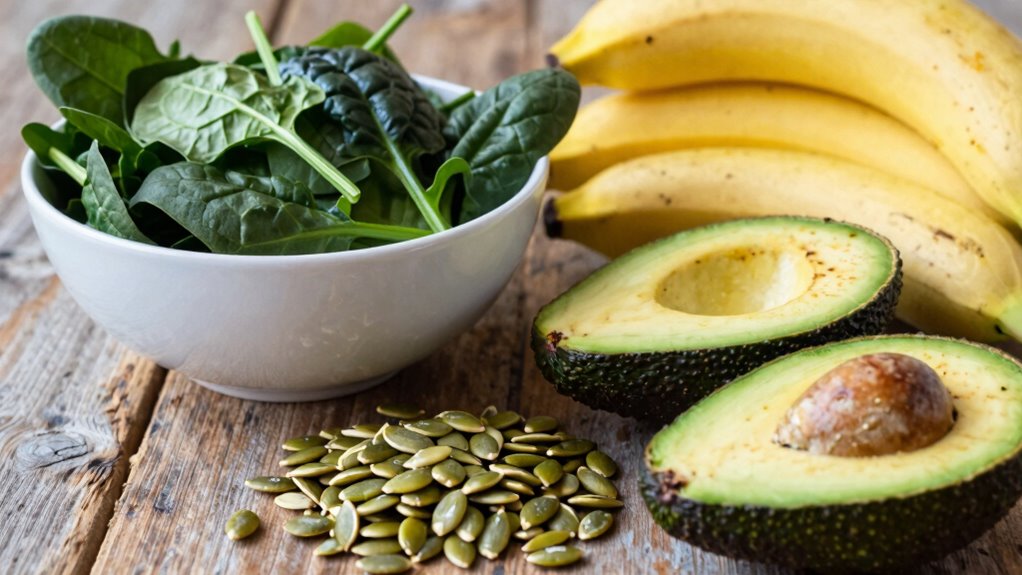

You can improve stress management and sleep by including plant-based magnesium-rich foods in your diet. Focus on leafy greens like spinach and kale, nuts such as almonds and pumpkin seeds, and legumes like chickpeas and lentils. Whole grains like quinoa and oats also boost magnesium intake. Pair these foods with vitamin D sources for better absorption, and choose minimally processed options to maximize benefits. Keep exploring for more tips to enhance your relaxation naturally.

Get kitchen staples and gadgets delivered free — and shop member deals
- Fast, free delivery on millions of items
- Access to Prime Big Deal Days deals on October 6–7
- Prime Video, Amazon Music and more included
Key Takeaways
- Include leafy greens like spinach, Swiss chard, and kale for natural magnesium and calming effects.
- Snack on nuts and seeds such as pumpkin seeds, sunflower seeds, and almonds to boost magnesium intake.
- Incorporate legumes like black beans, chickpeas, and lentils to enhance magnesium and fiber for relaxation.
- Choose whole grains like quinoa, oats, and brown rice to maximize magnesium content and support sleep.
- Pair magnesium-rich foods with vitamin D sources and fermented foods to improve absorption and gut health.
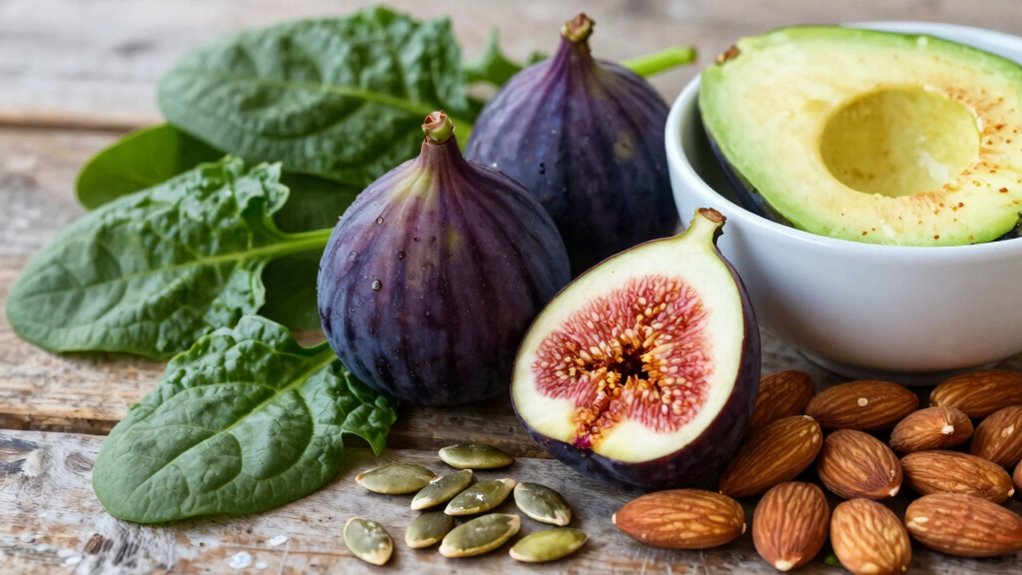
When stress levels rise or sleep becomes elusive, turning to magnesium-rich foods can be a natural way to support your body’s relaxation and rest. Magnesium plays an essential role in calming your nervous system and promoting restorative sleep. However, simply eating magnesium-rich foods isn’t enough; understanding magnesium absorption is key to maximizing its benefits. Your body absorbs magnesium more effectively from certain plant-based sources, especially when these foods are fresh and minimally processed. Incorporating a variety of these plant-based sources into your diet can help guarantee you’re getting enough magnesium to manage stress and improve sleep quality.
Magnesium-rich plant foods support relaxation, sleep, and stress management when consumed fresh and minimally processed.
Leafy greens such as spinach, Swiss chard, and kale are excellent sources of magnesium. These vegetables are not only nutrient-dense but also contain magnesium in a form that’s easily absorbed by your body. Including a generous portion of these greens in your meals can boost your magnesium intake effortlessly. Nuts and seeds, such as pumpkin seeds, sunflower seeds, and almonds, are also rich in magnesium. These snacks are convenient and portable, making it easy to increase your intake throughout the day. When you consume these plant-based sources, your body benefits from their high bioavailability, ensuring that magnesium absorption is maximized. Additionally, consuming magnesium-rich foods alongside gut health support can improve mineral absorption even further, as healthy gut function enhances nutrient uptake. Incorporating plant-based diets can support overall mineral absorption and promote better health.
Consuming legumes like black beans, chickpeas, and lentils not only provides magnesium but also offers fiber that supports digestion and enhances nutrient absorption. They’re versatile, filling, and contain compounds that aid in better mineral absorption. Adding these to salads, soups, or stews can help you meet your magnesium needs without much effort. Whole grains, particularly quinoa, brown rice, and oats, also contribute notably to your magnesium levels. These grains contain magnesium in a form that your body can efficiently absorb, especially when prepared properly. Opting for whole grains over refined options guarantees you get more magnesium and other beneficial nutrients.
To enhance magnesium absorption from these plant-based sources, pair them with foods rich in vitamin D or those that support gut health, like fermented foods or probiotics. This combination can improve your body’s ability to absorb magnesium effectively. Consuming foods that support nutrient absorption is especially beneficial for those with compromised digestion or absorption issues. Remember, cooking methods matter—steaming or lightly sautéing vegetables preserves magnesium content better than overcooking. Staying consistent with your intake of these magnesium-rich plant-based foods can help you better manage stress and promote more restful sleep. By focusing on high-quality, minimally processed sources, you guarantee your body gets the maximum benefit of magnesium, supporting your overall relaxation and well-being naturally.
plant-based magnesium supplement
As an affiliate, we earn on qualifying purchases.
As an affiliate, we earn on qualifying purchases.
Frequently Asked Questions
Can Magnesium Supplements Replace Magnesium-Rich Foods?
Magnesium supplements can help, but they shouldn’t fully replace magnesium-rich food sources. Supplements often have better absorption, but food sources provide additional nutrients beneficial for your health. Eating magnesium-rich foods like nuts, seeds, and leafy greens offers a natural, balanced way to meet your needs. Relying solely on supplements may miss out on these other essential nutrients, so a combination of both is usually the best approach for ideal stress relief and sleep support.
How Much Magnesium Should I Consume Daily for Stress Relief?
You should aim for about 310-420 mg of magnesium daily for stress relief, depending on your age and sex. To optimize magnesium absorption, include magnesium-rich plant foods like nuts, seeds, and leafy greens. Be mindful of nutrient interactions—excessive calcium or iron can interfere with absorption. Eating a balanced diet helps guarantee you get enough magnesium naturally, supporting stress management and better sleep.
Are There Any Side Effects From Eating Magnesium-Rich Plant Foods?
Eating magnesium-rich plant foods generally doesn’t cause serious side effects. However, you might experience potential gastrointestinal issues like diarrhea or stomach cramps if you consume too much. Additionally, high intake could lead to nutrient absorption concerns, interfering with minerals like calcium and potassium. To avoid these effects, eat a balanced diet and stick to recommended serving sizes. If you notice discomfort, cut back and consult a healthcare professional.
Do Magnesium-Rich Foods Improve Sleep Instantly?
Did you know magnesium absorption peaks within a few hours after eating? While magnesium-rich plant-based sources can help improve sleep, the effects aren’t instant. It often takes consistent consumption over days or weeks for noticeable benefits. Your body gradually absorbs magnesium, supporting relaxation and sleep quality. So, eating these foods regularly helps your body build up magnesium stores, leading to better sleep over time rather than immediately.
Can Magnesium Deficiency Cause Anxiety Symptoms?
Yes, magnesium deficiency can cause anxiety symptoms because magnesium absorption affects your ability to manage anxiety effectively. When you’re low on magnesium, your nervous system may become more reactive, leading to increased feelings of stress or anxiety. By including magnesium-rich foods in your diet, you support better magnesium absorption, which can help with anxiety management and promote relaxation. Prioritizing magnesium intake can make a positive difference in your mental well-being.
Conclusion
Incorporating magnesium-rich foods into your diet can genuinely help you unwind and improve your sleep, much like the calming effects of a peaceful night’s slumber in a Byzantine monastery. You don’t need to be a knight or a scholar to harness nature’s gift; just choose plant-based options like leafy greens, nuts, and seeds. Make these foods a part of your daily routine, and watch stress melt away like a sorcerer’s spell, leaving you refreshed and ready to conquer tomorrow.
Halloween Picks
halloween
As an affiliate, we earn on qualifying purchases.