
To maintain adequate iodine on a plant-based diet, include small amounts of iodine-rich seaweed like nori or kelp in your meals, but be mindful not to overdo it. Use iodized salt sparingly to boost your intake without excess sodium. Supplements can help guarantee consistent iodine levels, especially if natural sources vary. Balancing these options safely supports your thyroid health—continue exploring how to optimize your iodine intake effectively.

Get kitchen staples and gadgets delivered free with Prime
- Fast, free delivery on millions of items
- Prime Video, Amazon Music and more included
- Member-only deals all year
Key Takeaways
- Incorporate seaweed like kelp, nori, or wakame in moderation for natural iodine sources.
- Use iodized salt sparingly to balance iodine intake and reduce sodium consumption.
- Consider plant-based iodine supplements for consistent, controlled dosing without excess.
- Monitor seaweed consumption to avoid excessive iodine that can disrupt thyroid health.
- Combine natural foods, iodized salt, and supplements to meet daily iodine requirements safely.
If you follow a plant-based diet, guaranteeing adequate iodine intake can be a challenge, but it’s essential for thyroid health and overall well-being. Iodine deficiency is common among those who avoid animal products because seafood, dairy, and eggs are primary sources of this critical mineral. Without enough iodine, your thyroid can struggle to produce hormones, leading to fatigue, weight gain, and other health issues. Luckily, there are plant-based supplements and strategies you can use to meet your iodine needs safely.
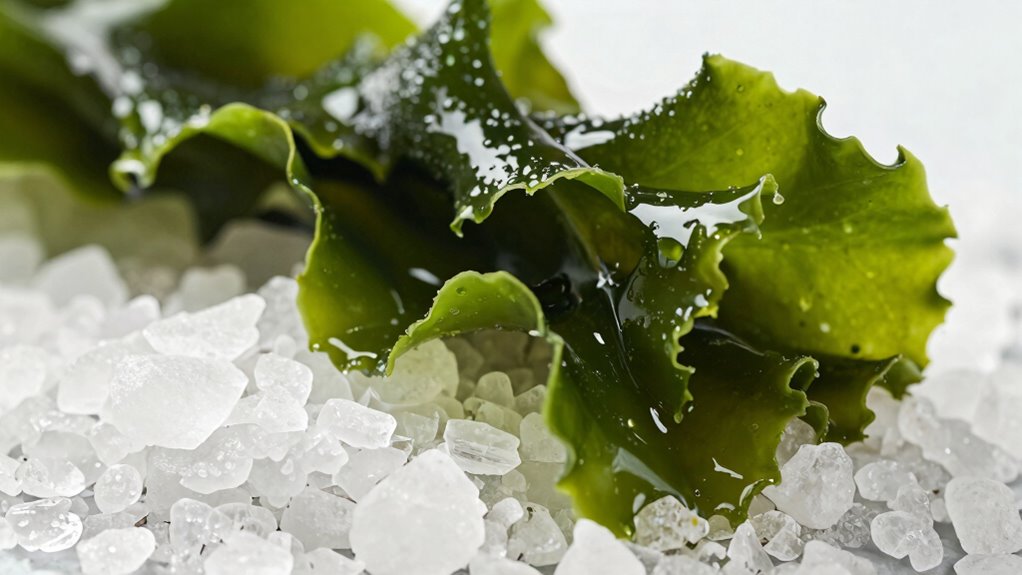
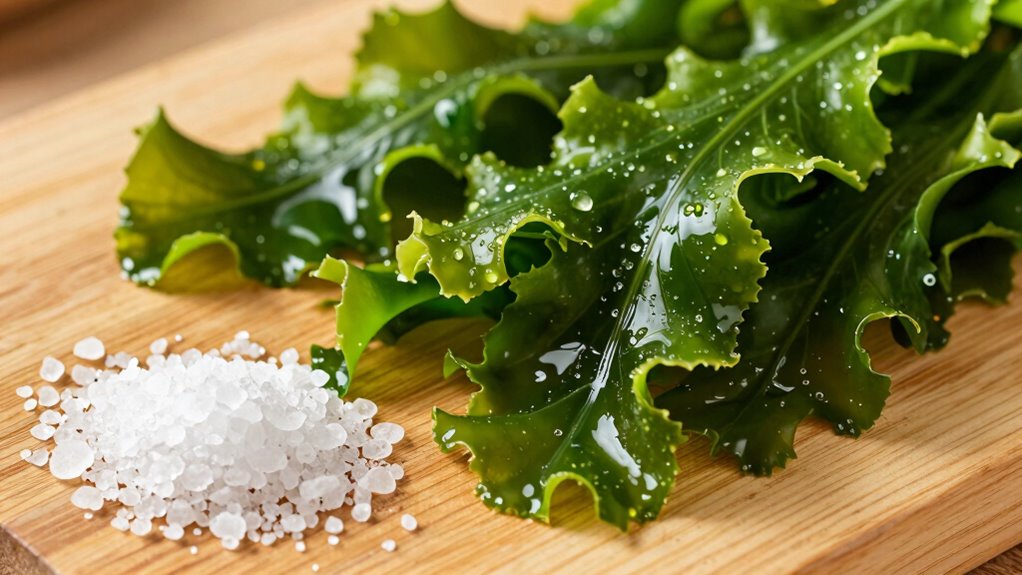
One of the best natural sources of iodine for plant eaters is seaweed. Varieties like kelp, nori, wakame, and dulse are rich in iodine, making them an excellent addition to your diet. However, it’s important to consume seaweed mindfully because the iodine content can vary considerably. Eating too much kelp, for instance, can lead to excessive iodine intake, which might cause thyroid dysfunction. Incorporate small amounts of seaweed into soups, salads, or sushi to benefit from its iodine content without risking excess. Always check the iodine levels on packaging if you buy dried seaweed, and use it as a supplement rather than a daily staple unless you’re confident about your intake.
In addition to seaweed, table salt can be a dependable source if it’s fortified with iodine. Iodized salt is an affordable and easy way to boost your mineral intake, but you should use it sparingly to avoid excessive sodium consumption. Remember, moderation is key. If you prefer to limit salt intake for health reasons, plant-based supplements are a practical alternative. These supplements are formulated specifically to address iodine deficiency without risking overconsumption. They offer a controlled dose of iodine, making it easier for you to meet your daily requirements without worry. Incorporating iodine-rich foods and supplements can help ensure you’re meeting your needs without relying solely on natural sources that may vary in iodine content. It’s also important to understand iodine requirements to tailor your intake properly and avoid both deficiency and excess.
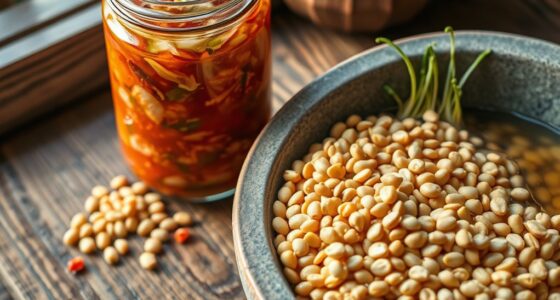
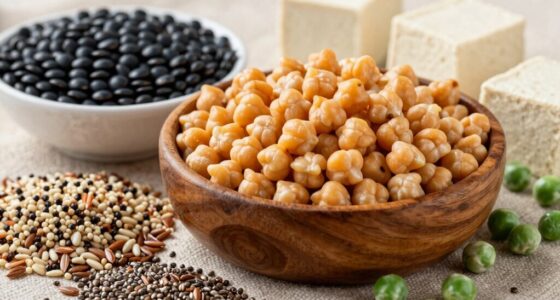
It’s worth noting that some plant-based foods naturally contain small amounts of iodine, like legumes, potatoes, and cranberries, but relying solely on these isn’t enough to meet your nutritional needs. To bridge the gap, consider integrating plant-based supplements designed to provide iodine in safe amounts. Research shows that iodine absorption from supplements can be more consistent than from some natural sources, making them a reliable choice. Additionally, understanding the bioavailability of iodine can help you make more informed decisions about your dietary sources. It’s also helpful to be aware that excess iodine intake can negatively impact thyroid health, so moderation remains crucial. Always consult with a healthcare provider before adding supplements to your routine, especially if you have thyroid issues or other health concerns. By combining seaweed, iodized salt, and targeted supplements, you can effectively prevent iodine deficiency. With mindful choices, you guarantee your thyroid remains healthy and your overall well-being stays on track.
seaweed kelp nori wakame for iodine
As an affiliate, we earn on qualifying purchases.
As an affiliate, we earn on qualifying purchases.
Frequently Asked Questions
Can Iodine Deficiency Affect Plant-Based Athletes Differently?
Yes, iodine deficiency can affect you differently as a plant-based athlete. Since your iodine absorption depends on plant-based sources like seaweed and fortified salt, inadequate intake can impair your thyroid function, impacting your plant-based metabolism. This may lead to decreased energy, slower recovery, and hormonal imbalances. Ensuring sufficient iodine intake helps maintain ideal iodine absorption, supporting your athletic performance and overall health on a plant-based diet.
Are There Iodine Supplements Suitable for Vegans?
Think of vegan supplement options as a lighthouse guiding you safely through iodine deficiency. Yes, there are plant-based iodine sources and supplements designed for vegans, such as iodine drops derived from algae and fortified foods. These options verify your body gets enough iodine without compromising your plant-based lifestyle. Always check labels to confirm they’re vegan-friendly and consult a healthcare professional for personalized guidance on iodine intake.
How Does Cooking Affect Iodine Levels in Seaweed?
Cooking methods considerably impact iodine retention in seaweed. Boiling or excessive heat can cause iodine to leach into the water, reducing its nutrient content. To preserve iodine levels, you should opt for gentle cooking methods like steaming or soaking instead of boiling. Quick cooking times also help retain more iodine. So, if you want to maximize iodine intake, choose your cooking method carefully and avoid overcooking seaweed.
Is Iodine Toxicity Common in Plant-Based Diets?
Iodine toxicity isn’t very common in plant-based diets, but excess intake can lead to iodine excess, which might cause toxicity symptoms like thyroid dysfunction. If you regularly consume large amounts of seaweed or iodine-fortified salt, you could risk these issues. To stay safe, monitor your iodine intake and avoid excessive consumption of iodine-rich foods or supplements. Moderation helps prevent toxicity symptoms and keeps your thyroid healthy.
Can Iodine-Rich Foods Interfere With Certain Medications?
Iodine-rich foods are like double-edged swords—they can support thyroid health but also interfere with medications. If you consume a lot of seaweed or iodine-fortified salt, it may cause medication interactions, especially with thyroid drugs. You should be cautious and consult your healthcare provider, as excessive iodine can disrupt your thyroid function or alter medication effectiveness. Moderation is key to balancing iodine intake and maintaining ideal thyroid health.
Conclusion
So, while you might think avoiding animal products shields you from iodine worries, the irony is, your plant-based choices could leave you iodine-deficient if you’re not careful. Seaweed, salt, and fortified foods are your allies, but overdoing it isn’t the answer either. It’s a tricky balance—kind of like trying to find a needle in a haystack. Stay informed, enjoy your plant-based journey, and don’t forget: sometimes, the tiniest nutrient makes the biggest difference.
NFL season / tailgating Picks
team gear
As an affiliate, we earn on qualifying purchases.