
A plant-based diet can greatly benefit your gut microbiome by providing a diverse range of dietary fibers that feed beneficial bacteria like Bifidobacteria and Lactobacilli. These fibers promote microbial diversity and fermentation, producing helpful compounds called SCFAs that support your digestion and immune health. By choosing more plant foods, you help create a resilient and balanced gut environment. Keep exploring to discover how specific foods can optimize your gut health even further.
Key Takeaways
- Plant-based diets provide high dietary fiber that promotes beneficial gut bacteria like Bifidobacteria and Lactobacilli.
- Increased fiber diversity supports a resilient, diverse microbiome, enhancing gut health and resistance to pathogens.
- Fermentation of plant fibers produces SCFAs such as butyrate, supporting intestinal integrity and reducing inflammation.
- A plant-based diet fosters microbial diversity, which is linked to improved immune function and overall health.
- Consuming a variety of plant foods encourages beneficial microbial activity, positively influencing digestion, immunity, and mental well-being.
Have you ever wondered how your diet influences the tiny organisms living in your gut? The foods you choose directly impact your gut microbiome, shaping which bacteria thrive and how they function. When you eat a plant-based diet, you’re providing your microbiome with a rich source of dietary fiber, which plays a crucial role in maintaining a healthy gut environment. Unlike animal products, plant foods are packed with complex carbohydrates that your body can’t digest, but your gut bacteria can. These fibers serve as fuel for beneficial microbes, promoting their growth and activity.
One of the key benefits of consuming a fiber-rich, plant-based diet is the fermentation benefits it offers. When gut bacteria ferment dietary fiber, they produce short-chain fatty acids (SCFAs) like butyrate, acetate, and propionate. These SCFAs are powerful compounds that support your overall health. They help maintain the integrity of your intestinal lining, reduce inflammation, and even influence your immune system. By fostering an environment where fermentation thrives, you’re encouraging your microbiome to produce these health-promoting substances naturally.
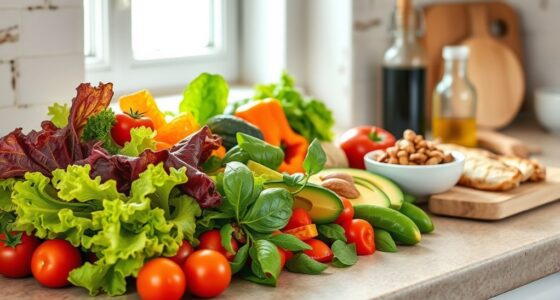
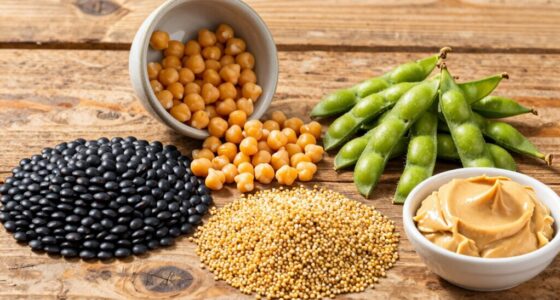
Eating more plant-based foods means you’re not just adding more fiber but also diversifying the types of fiber you consume. Different fibers feed different bacteria, so a varied diet helps promote a diverse microbiome. This diversity is essential because it makes your gut more resilient against pathogens and reduces the risk of digestive issues, allergies, and other health problems. Fruits, vegetables, legumes, whole grains, nuts, and seeds are all excellent sources of dietary fiber that support such microbial diversity.
Moreover, a diet rich in plant foods can increase the abundance of beneficial bacteria like Bifidobacteria and Lactobacilli. These microbes are known for their positive effects on digestion, immune function, and even mental health. The fermentation of dietary fiber by these bacteria not only produces SCFAs but also creates an environment that favors beneficial microbes over harmful ones. This balance is vital for overall well-being.
Additionally, understanding the Dreams associated with gut health might inspire you to adopt a more mindful and nourishing diet, as the connection between your gut microbiome and overall mental state is increasingly recognized.
Frequently Asked Questions
Can a Plant-Based Diet Cause Nutrient Deficiencies Affecting Gut Health?
A plant-based diet can cause nutrient gaps and deficiency risks if you’re not careful. You might miss out on essential nutrients like vitamin B12, iron, and omega-3s, which are crucial for gut health. To prevent deficiencies, include fortified foods, supplements, or diverse plant sources. Paying attention to your diet helps maintain a healthy gut microbiome and guarantees you get all the nutrients your body needs.
How Quickly Can Gut Microbiome Changes Occur With Dietary Shifts?
Like a chameleon adapting swiftly, your gut microbiome can change within days of dietary shifts. Rapid adaptation occurs as your microbiome demonstrates resilience, adjusting to new foods and environments. You might notice shifts in digestion, energy, or mood in as little as 24-72 hours. This dynamic system responds quickly, highlighting the importance of consistent, diverse plant-based choices to support long-term gut health.
Are There Specific Plant Foods That Benefit Gut Microbiome Diversity?
You can boost your gut microbiome diversity by eating specific plant foods rich in prebiotic fibers and polyphenol sources. Foods like garlic, onions, leeks, asparagus, bananas, berries, and dark chocolate are excellent choices. These foods feed beneficial bacteria, promoting a healthier microbiome. Incorporate them regularly into your diet to support better digestion, immune function, and overall gut health, making a positive impact on your well-being.
Does a Plant-Based Diet Improve Gut Microbiome in Individuals With Existing Gut Issues?
A plant-based diet can improve your gut health, even if you have existing gut issues. The dietary impact of eating more fiber-rich fruits, vegetables, and legumes promotes diverse beneficial bacteria in your gut microbiome. These foods help reduce inflammation and support digestion. By consistently choosing plant-based options, you can enhance your gut health, potentially easing symptoms and fostering a more balanced gut environment over time.
Can Probiotic Supplements Enhance Gut Microbiome When on a Plant-Based Diet?
Yes, probiotic supplements can enhance your gut microbiome when you’re on a plant-based diet. They boost probiotic efficacy by introducing beneficial strains, which can increase microbiome diversity. By supporting a wider range of gut bacteria, probiotics may improve digestion and overall gut health. Just make sure to choose high-quality supplements and combine them with a varied, fiber-rich plant-based diet for the best results.
Conclusion
Think of your gut microbiome as a thriving garden, flourishing with the right plants—fiber-rich, plant-based foods. When you nourish this garden, it blooms with beneficial microbes, enhancing your health. Just as a gardener tends carefully, you can cultivate balance by choosing plant-based diets. Your gut, like a vibrant landscape, responds beautifully to your choices. So, plant the seeds today for a healthier, happier tomorrow—your gut’s garden awaits your nurturing touch.