
To fuel your performance on a vegan diet, focus on a variety of plant-based proteins like beans, tofu, and quinoa to meet your amino acid needs. Incorporate complex carbs such as oats, sweet potatoes, and whole grains for sustained energy, and stay hydrated with water-rich fruits and vegetables or electrolyte drinks. Planning balanced meals with carbs, protein, and healthy fats supports endurance and recovery. Keep exploring for practical tips to optimize your vegan athlete diet and maximize your results.
Key Takeaways
- Incorporate diverse plant-based proteins like beans, tofu, and quinoa to meet amino acid needs.
- Prioritize complex carbs such as oats and sweet potatoes for sustained energy during training.
- Use hydrating foods and plant-based electrolyte drinks to maintain hydration and electrolyte balance.
- Consume post-workout meals with carbs and protein, like smoothies with plant-based protein powder, for optimal recovery.
- Plan balanced meals with adequate macronutrients—proteins, carbs, and healthy fats—to support athletic performance.
Switching to a vegan diet doesn’t mean you have to sacrifice strength or endurance as an athlete. In fact, many plant-based athletes thrive by carefully selecting nutrient-dense foods that fuel their performance. One of the key components is making sure you get enough plant-based protein, which is essential for muscle repair and recovery. Unlike animal products, plant-based proteins come from sources like beans, lentils, tofu, tempeh, quinoa, and nuts. These foods not only provide ample protein but also deliver fiber, vitamins, and minerals that support overall health. Incorporating a variety of these into your meals guarantees you’re meeting your protein needs without relying on animal products.
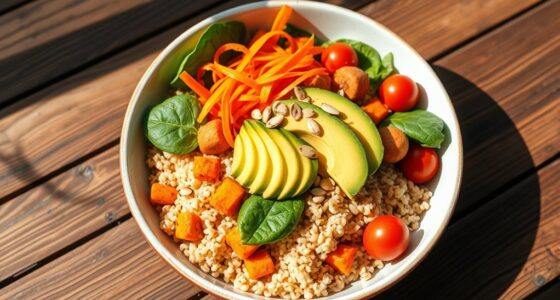
When it comes to endurance training, your focus should be on foods that sustain energy levels over long periods. Carbohydrates are your primary fuel source, so including complex carbs such as oats, sweet potatoes, brown rice, and whole grain bread is vital. These foods digest slowly, providing a steady release of energy during workouts and races. Combining your carbs with plant-based proteins can help maintain muscle mass while supporting endurance. For instance, a bowl of oatmeal topped with nuts and seeds offers both sustained energy and protein, making it an ideal pre-workout meal.
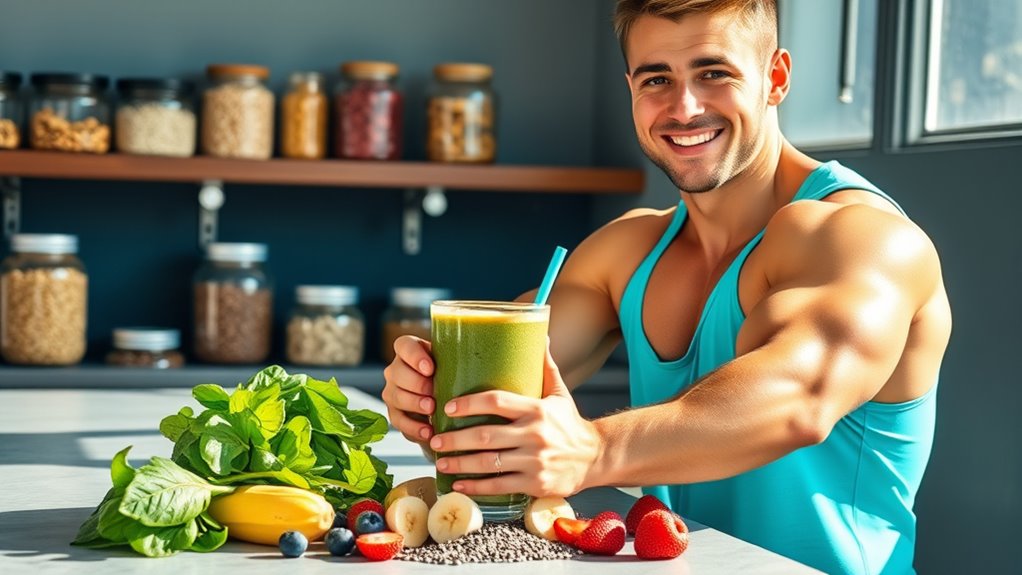
Hydration is equally important for endurance training, especially when you’re on a vegan diet. Incorporate plenty of fruits and vegetables with high water content, like watermelon, oranges, and cucumbers, to stay hydrated naturally. Additionally, consider adding plant-based electrolyte beverages or coconut water to replenish minerals lost through sweat during intense sessions. Recovery meals should focus on replenishing glycogen stores and repairing muscles, so include a mix of carbs and protein-rich foods post-training. A smoothie made with plant-based protein powder, banana, spinach, and almond milk can be both nutritious and quick to prepare.
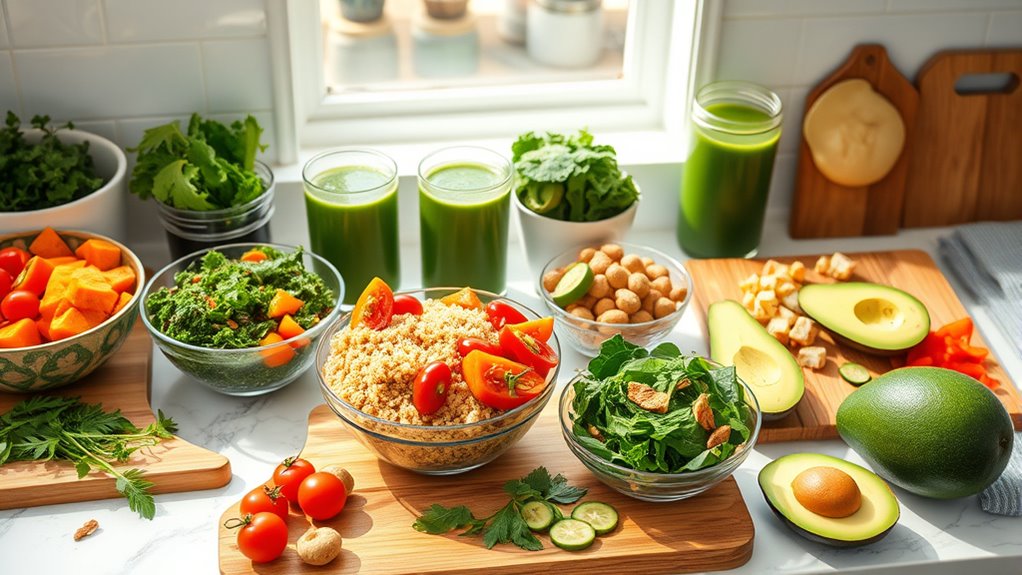
Meal planning for vegan athletes involves balancing macronutrients to optimize performance and recovery. It’s wise to plan ahead, ensuring each meal contains a good source of plant-based protein, complex carbs, and healthy fats. Snacks like trail mix, hummus with veggies, or energy bars made from dates and nuts can keep your energy levels stable throughout the day. Remember, a well-rounded vegan diet tailored for endurance training not only supports your athletic goals but also promotes long-term health. By selecting the right plant-based foods and paying attention to your nutritional intake, you can excel in your sport while sticking to your vegan principles.
Frequently Asked Questions
How Do Vegan Athletes Meet Their Protein Needs Effectively?
You meet your protein needs effectively by focusing on protein combinations like beans with rice or hummus with whole-grain bread. Incorporate diverse plant-based sources such as lentils, tofu, quinoa, and nuts. Pay attention to meal timing, spreading protein intake evenly across the day to optimize absorption. This approach guarantees you get sufficient amino acids, supporting your athletic performance and recovery as a vegan athlete.
What Are the Best Plant-Based Sources of Iron and Calcium?
You should focus on plant-based iron sources like lentils, chickpeas, tofu, spinach, and fortified cereals, which boost your iron intake naturally. For calcium-rich foods, opt for leafy greens like kale and collard greens, fortified plant milks, tahini, figs, and almonds. Incorporating these plant-based iron and calcium-rich foods into your meals helps guarantee you meet your nutritional needs effectively while staying true to your vegan diet.
How Do Vegan Athletes Prevent Nutrient Deficiencies?
To prevent nutrient deficiencies, you should focus on balanced vegan meal prep and incorporating plant-based snacks rich in essential nutrients. Include foods like fortified plant milks, leafy greens, beans, and seeds to boost iron and calcium intake. Stay consistent with your diet, diversify your meals, and consider supplements if necessary. Regularly check your nutrient levels and modify your intake to ensure you’re meeting your athletic needs efficiently.
Can Vegan Diets Support Endurance and High-Intensity Sports?
Yes, vegan diets can support endurance and high-intensity sports. You should focus on plant-based hydration, like coconut water and electrolyte drinks, to stay energized. Incorporate vegan snack ideas such as energy balls, fruit, nuts, and whole-grain bars to maintain stamina. With proper planning, your plant-based diet provides ample carbs, protein, and nutrients needed for intense performance and recovery, helping you excel in demanding athletic activities.
What Supplements Are Recommended for Vegan Athletes?
Supplements for vegan athletes are like essential tools in your kit. You should consider plant-based protein powders to boost muscle recovery and performance. Vegan superfoods like spirulina and chia seeds provide crucial nutrients your body needs. Additionally, consider vitamin B12, iron, and omega-3 supplements, as these are often lacking in plant diets. These supplements help you stay energized, recover faster, and perform at your best on every athletic endeavor.
Conclusion
Embracing a vegan diet can power your athletic performance, with studies showing plant-based athletes often recover faster and experience lower inflammation. Did you know that vegan athletes tend to have 24% higher endurance levels? By fueling your body with the right plant-based foods, you optimize energy, strength, and recovery. Keep experimenting with your meal plans, stay committed, and watch your performance reach new heights on this sustainable, health-boosting journey.