By using fermentation, soaking, and sprouting, you can boost your food’s nutrition and improve digestion. These techniques activate beneficial enzymes, reduce anti-nutrients, and increase bioavailability of minerals and vitamins. Soaking softens textures and makes minerals easier to absorb, while sprouting enhances enzyme activity and flavor. Fermentation adds probiotics that support gut health. Keep exploring to discover simple ways to incorporate these powerful methods into your meals for better health.
Key Takeaways
- Fermentation activates probiotics, enhances nutrient synthesis, and improves gut health.
- Soaking reduces anti-nutrients like phytic acid, increasing mineral absorption and digestibility.
- Sprouting boosts enzyme activity, vitamin content, and decreases anti-nutrients for better nutrient utilization.
- Combining these methods enhances overall food bioavailability and promotes better digestion.
- Incorporating fermentation, soaking, and sprouting into diets maximizes nutrient intake effortlessly.

Have you ever wondered how fermentation, soaking, and sprouting can transform your food? These simple techniques can dramatically boost the nutritional value of your meals while enhancing flavor and digestibility. Fermentation benefits, in particular, are well-documented: it helps break down complex compounds, making vitamins, minerals, and other nutrients more accessible. When you ferment foods like vegetables, grains, or dairy, you’re not just preserving them—you’re activating beneficial probiotics that support gut health and strengthen your immune system. These probiotics can improve digestion, reduce inflammation, and even enhance mental clarity.
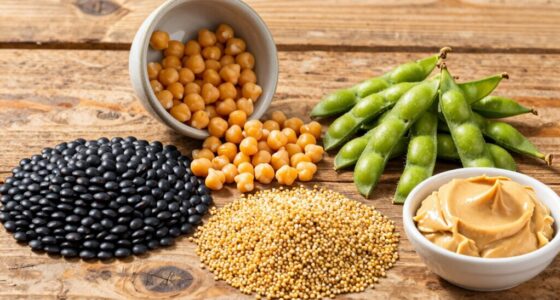
Soaking techniques are equally powerful and easy to incorporate into your routine. Soaking grains, beans, nuts, and seeds reduces phytic acid, an anti-nutrient that inhibits mineral absorption. By soaking these foods, you help neutralize enzyme inhibitors, making nutrients like iron, zinc, and calcium more bioavailable. It also softens tough textures, cutting down cooking time and making foods easier to digest. For example, soaking chickpeas before cooking diminishes bloating and discomfort, while soaking almonds improves their digestibility and nutrient absorption. All you need is a simple method—covering your grains or nuts with water, sometimes adding a splash of an acidic medium like lemon juice or vinegar, and letting them sit for several hours or overnight. This straightforward soaking technique can appreciably improve the nutritional profile of everyday foods.
In addition to soaking, sprouting takes things a step further. When you sprout seeds, beans, or grains, you trigger enzymatic processes that convert stored nutrients into more accessible forms. Sprouting increases the levels of vitamins like vitamin C and B-complex vitamins, boosts enzyme activity, and decreases anti-nutrients. As a result, sprouted foods are easier to digest and provide a more complete array of nutrients. You can sprout lentils, alfalfa, broccoli, or wheat berries at home with minimal effort—simply rinse your seeds, soak them, then rinse regularly as they sprout. The sprouting process also enhances flavor and texture, making your meals more appealing.
Frequently Asked Questions
How Long Should I Ferment Different Types of Foods?
You should ferment different foods for varying durations based on their type. For vegetables, a fermentation duration of 3 to 7 days usually works, while dairy may need 24 to 48 hours. Sprouting time varies from 1 to 5 days, depending on the seed. Always taste test during fermentation and sprouting to determine when they reach your preferred flavor and texture, ensuring ideal nutrition and safety.
Can Soaking and Sprouting Eliminate All Anti-Nutrients?
You might think soaking and sprouting wipe out all anti-nutrients, but don’t get your hopes up too high. While they do markedly boost nutrient enhancement and reduce many anti-nutrients, they rarely eliminate every single one. It’s a clever trick to improve digestibility, but some stubborn anti-nutrients can still hang around. So, enjoy the benefits, but remember, these methods aren’t magic bullets—just helpful tools for smarter eating.
Are There Any Risks Associated With Fermentation and Sprouting?
Yes, there are risks associated with fermentation and sprouting, mainly related to food safety and microbial risks. If you don’t follow proper procedures, harmful bacteria or molds might grow, leading to foodborne illnesses. To minimize these risks, make sure you maintain clean equipment, use safe water, and monitor fermentation or sprouting conditions carefully. Proper handling and storage are essential to enjoy the nutritional benefits safely.
How Do I Store Fermented and Sprouted Foods Safely?
You should store fermented and sprouted foods in airtight containers in the refrigerator to guarantee safe fermented storage and sprouted preservation. Keep them at consistent temperatures, ideally below 40°F, to prevent spoilage. Label containers with dates and consume them within a recommended timeframe—fermented foods usually last a few weeks, while sprouted foods are best eaten within a few days. Proper storage helps maintain freshness and reduces health risks.
Do These Processes Affect the Taste and Texture Significantly?
Yes, these processes can considerably affect taste and texture. You’ll notice flavor enhancement, with foods developing tangy or sour notes that add complexity. Texture alteration is common, making foods softer, crunchier, or more tender depending on the method. These changes often make the foods more enjoyable and easier to digest. Embrace the new flavors and textures, as they elevate your dishes and boost nutritional benefits naturally.
Conclusion
By incorporating fermentation, soaking, and sprouting into your routine, you reveal more nutrients and improve digestion. Did you know that soaking grains can reduce anti-nutrients by up to 50%, making minerals more absorbable? Small changes like these can have a big impact on your health and wellbeing. So, start experimenting today—your body will thank you for nourishing it in smarter, more natural ways. Embrace these techniques and enjoy the added energy they bring!