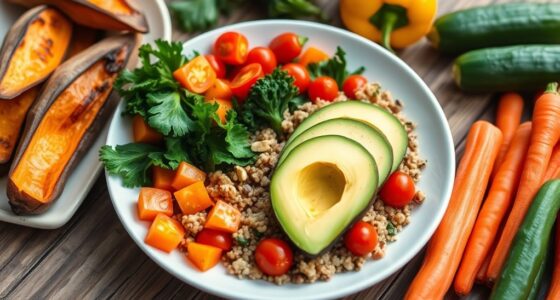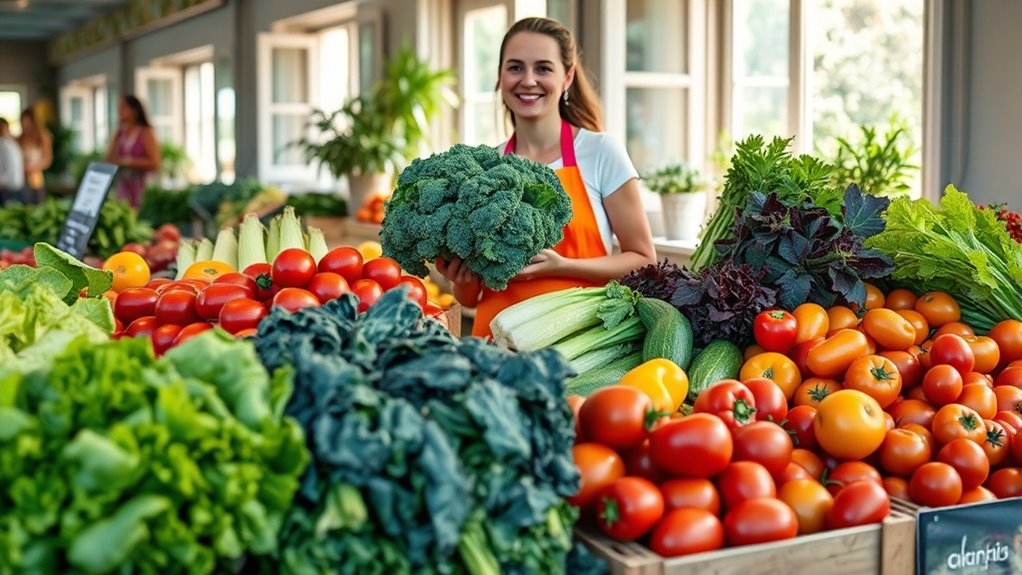

Many myths about vegetarian diets aren’t true. With proper planning, you can get enough protein, iron, and B12 from plant-based foods and fortified products. Vegetarian meals aren’t bland or restrictive; you can enjoy flavorful, varied dishes that support your health. Myths about nutrient deficiencies are outdated, and studies show vegetarians often have lower cholesterol and a healthier heart. Keep exploring to discover how a balanced vegetarian diet can meet all your nutritional needs seamlessly.
Key Takeaways
- Well-planned vegetarian diets can provide all essential nutrients, including protein, iron, and B12.
- Plant-based sources and fortified foods effectively meet nutritional needs without animal products.
- Proper meal planning and variety dispel myths about nutritional deficiencies in vegetarian diets.
- Vegetarian diets are flavorful and diverse, not restrictive or bland, with creative use of spices and ingredients.
- Health benefits like lower cholesterol and reduced disease risk are supported by well-balanced vegetarian eating.
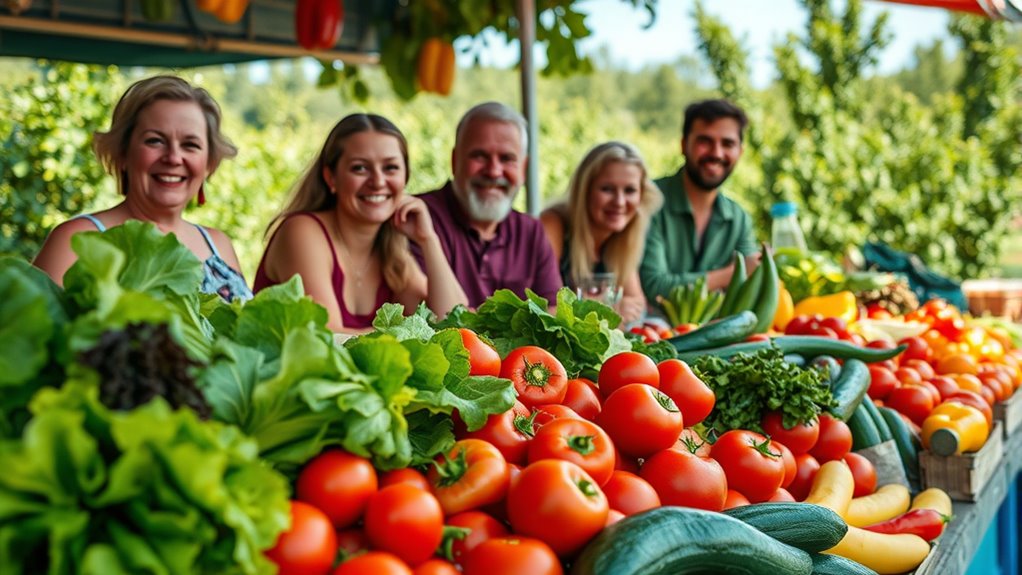
Are vegetarian diets truly lacking in essential nutrients? Many people assume that cutting out meat automatically means missing out on crucial nutrients like protein, iron, and B12. But that’s a common misconception. In fact, a well-planned vegetarian diet offers numerous plant-based benefits that support your health just as effectively as a meat-inclusive one. The idea that you need meat to meet your nutritional needs is rooted in meat substitute myths that often exaggerate the challenges of going vegetarian. These myths suggest you can’t get enough protein or iron without animal products, which simply isn’t true. Legumes, beans, lentils, tofu, tempeh, and seitan are excellent sources of protein, and they’re widely available and versatile. When you incorporate a variety of these foods into your meals, you’ll find it easy to meet your daily protein requirements.
A well-planned vegetarian diet can meet all your nutritional needs effectively.
Similarly, iron intake is often a concern for vegetarians, but plant-based foods like spinach, kale, quinoa, pumpkin seeds, and fortified cereals provide ample iron. Pairing these with vitamin C-rich foods enhances absorption, making it even easier to maintain healthy iron levels. Vitamin B12 is indeed a nutrient you need to pay attention to, but it’s readily available through fortified plant-based products or supplements, removing the need for animal sources. The myth that vegetarians are automatically deficient in B12 is just that—a myth, not a fact.
Many worry that vegetarian diets are restrictive or bland, but that’s far from the truth. With a little creativity, you can enjoy flavorful, satisfying meals that meet all your nutritional needs. Embracing plant-based benefits doesn’t mean sacrificing taste or variety; it means exploring new ingredients, spices, and cooking techniques. The misconception that you’ll miss out on important nutrients or flavor simply isn’t accurate when you’re informed and intentional about your diet.
In fact, choosing a vegetarian lifestyle can lead to better health outcomes, like lower cholesterol levels, reduced risk of heart disease, and improved digestion. The meat substitute myths often stem from outdated beliefs or misconceptions about what vegetarian diets entail. Once you understand how to balance your meals properly, you’ll realize that you’re not only meeting your nutritional needs but also enjoying a more sustainable and healthful way of eating. The truth is, you don’t need meat to thrive; plant-based benefits are abundant, and myths about nutritional deficiencies are just that—myths.
Understanding the history of pinball machines can also shed light on how gaming technology has evolved to enhance modern pinball experiences, further enriching your appreciation for this classic pastime.
Frequently Asked Questions
Can Vegetarians Meet All Their Nutritional Needs Without Supplements?
You can meet your nutritional needs as a vegetarian without supplements if you plan carefully. Focus on a variety of nutrient-rich foods like beans, nuts, seeds, and leafy greens to guarantee nutritional adequacy. However, certain nutrients like vitamin B12, iron, and omega-3s may require supplements or fortified foods, especially if your diet lacks these. Consulting a healthcare professional helps determine if supplement necessity applies to you, ensuring peak health.
Are Vegetarian Diets Suitable for Athletes and Highly Active Individuals?
Think of a vegetarian diet as a well-oiled machine; it can power athletes and active individuals just fine. You just need to focus on meal timing and include diverse protein sources like beans, lentils, tofu, and nuts. Properly planned, your diet provides the energy and nutrients needed for peak performance. With smart choices, you’ll keep your engine running smoothly without missing a beat.
Do Vegetarian Diets Require Extensive Meal Planning and Preparation?
Vegetarian diets don’t necessarily require extensive meal prep or complex recipes. You can keep it simple with quick, nutritious meals like salads, smoothies, or stir-fries. Focusing on whole foods and easy-to-make recipes helps you stay on track without overcomplicating your meal routine. With a little planning, you’ll find vegetarian eating fits seamlessly into your schedule, making it manageable regardless of your busy lifestyle.
How Do Vegetarian Diets Impact Environmental Sustainability Long-Term?
Vegetarian diets positively impact environmental sustainability long-term by markedly reducing your carbon footprint. As you choose plant-based foods, you conserve valuable resources like water and land, which are often overused in meat production. This shift helps decrease greenhouse gas emissions and supports resource conservation. By maintaining a vegetarian diet, you contribute to a healthier planet, promoting sustainability for future generations and reducing the environmental strain caused by traditional meat-based diets.
Are Vegetarian Diets Appropriate for Children and Pregnant Women?
Yes, vegetarian diets can be appropriate for children and pregnant women when you plan carefully. Focus on ensuring proper child nutrition and pregnancy safety by including a variety of plant-based proteins, iron, calcium, and vitamin B12. Consult healthcare providers or a registered dietitian to tailor the diet to meet specific needs. With proper planning, you can support healthy growth and development for both children and expecting mothers.
Conclusion
So, next time someone claims vegetarian diets lack protein or iron, just smile and remind them how often myths are the real meatless meals. Turns out, you don’t need to eat meat to stay strong or healthy—who knew? Ironically, the biggest myth might just be the one that says you can’t thrive without steak. So go ahead, enjoy your plant-based plates with confidence—turns out, they’re more nourishing than the myths suggest.