To fix uneven choppings in your mini food processor, make sure you’re using proper techniques like pulsing in short bursts and avoiding overloading the bowl. Prepare ingredients uniformly and add them gradually to prevent clumping and motor stalls. Check that blades are sharp and well-maintained, and always secure the lid before processing. Small adjustments can make a big difference—stick around, and you’ll discover more tips to perfect your chopping skills.
Key Takeaways
- Ensure ingredients are uniformly cut and added gradually to prevent clumping and uneven chopping.
- Use pulsing instead of continuous processing to maintain control and prevent over-processing.
- Check and sharpen blades regularly for consistent, clean cuts.
- Distribute ingredients evenly around the blades and avoid overloading the bowl.
- Confirm the lid is securely locked to ensure proper operation and prevent motor issues.
If your mini food processor isn’t performing as it should, don’t worry—many common issues have straightforward fixes. One of the most frustrating problems is uneven chop, which can throw off your entire recipe. The good news is, with a few technique adjustments, you can achieve more consistent ingredient preparation and improve your mini processor’s performance.
First, consider how you’re using manual chopping techniques. Often, uneven results stem from not pulsing the device evenly or overloading it. Instead of just pressing the button repeatedly until the ingredients are chopped, try pulsing in short bursts. This gives you better control and prevents over-processing some pieces while leaving others coarse. Also, avoid filling the bowl too full; a crowded processor forces ingredients to move unevenly, leading to inconsistent results. Work in smaller batches if needed, so each piece gets evenly chopped.
Another tip involves the way you prepare your ingredients. Cutting items into uniform, smaller pieces before placing them in the processor helps guarantee they chop evenly. Larger or uneven chunks require longer processing and can cause some pieces to be over-processed while others remain coarse. Proper ingredient preparation reduces strain on the motor and results in a more uniform chop, saving you time and effort in manual chopping afterward. Ensuring consistent ingredient sizes can also help prevent motor strain.
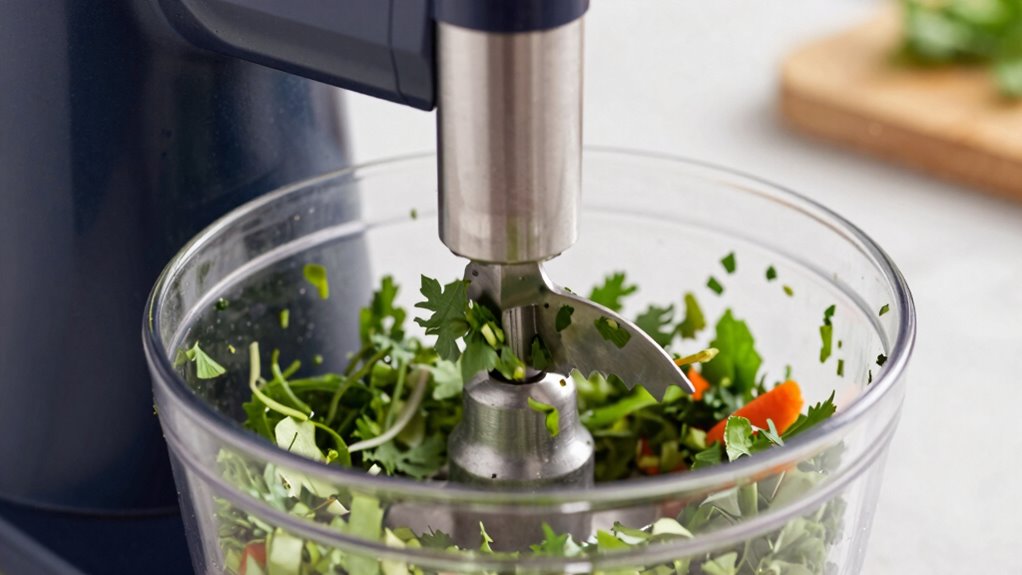
Pay attention to the placement of ingredients inside the bowl. Distribute them evenly around the blades, making sure they’re not all clumped to one side. This promotes balanced chopping, especially when you’re working with small quantities. If your processor comes with a feed tube or chute, use it to add ingredients gradually, giving the blades time to process what’s inside evenly. This technique minimizes the risk of uneven chopping and keeps the motor from stalling. Additionally, understanding the proper maintenance of your blades can help keep them sharp and effective over time. Regularly checking the sharpness of blades can prevent dullness that leads to uneven results. To further enhance performance, consider blade sharpening or replacement when necessary, especially if you notice frequent uneven chopping.
It’s also worth checking the condition of your blades. Dull or bent blades won’t cut properly and can cause uneven results. Sharp blades are essential for a clean, uniform chop. If they’re dull, consider sharpening or replacing them. Additionally, ensure the lid is securely locked in place before processing; an improperly secured lid can cause uneven operation or motor issues. Properly securing the lid is crucial to ensure safety and consistent performance.
Finally, take a moment to review your machine’s manual for specific instructions and troubleshooting tips. Sometimes, small adjustments in technique—like pulsing instead of continuous processing or ensuring proper ingredient prep—can make all the difference. Also, understanding the importance of blade maintenance can help prolong their sharpness and efficiency. With these simple, powerful technique fixes, you’ll find that your mini food processor can deliver more consistent, evenly chopped ingredients every time, taking your cooking to the next level without the need for manual chopping or complicated tools.

DLC-2ACBN Fits for Cuisinart Mini Prep Plus Food Processor Replacement Chopping Blade, Only Fit DLC-2A Replacement Blade, Compatible with DLC-2A, DLC-2ATQ, DLC-2AR, DLC-2APK et, Sharp and Strong Blade
- Compatibility: Fits specific Cuisinart models
- Blade Material: Made of durable stainless steel
- Functionality: Chops, grinds, and blends ingredients
As an affiliate, we earn on qualifying purchases.
As an affiliate, we earn on qualifying purchases.
Frequently Asked Questions
Can I Use a Mini Food Processor for Large Quantities?
You can use a mini food processor for large quantities, but it’s not ideal for meal prep or storage. Overloading it can strain the motor and lead to uneven chopping. Instead, process smaller batches, then combine them for your recipe. For storage tips, transfer your chopped ingredients to airtight containers, ensuring freshness. This approach keeps your mini processor functioning well and makes meal prep more efficient without overtaxing the appliance.
How Do I Clean the Mini Food Processor Blades Safely?
To clean the mini food processor blades safely, start by unplugging the device to guarantee blade safety. Carefully remove the blades and rinse them under warm water, using a soft brush or sponge to avoid cuts. Use gentle cleaning techniques and avoid harsh abrasives. Dry the blades thoroughly before reassembling. Always handle blades with care to prevent injuries, and follow your manufacturer’s cleaning instructions for best results.
What Ingredients Are Best Suited for Mini Food Processors?
You should use ingredients compatible with your mini food processor’s appliance limitations, like soft fruits, herbs, nuts, and vegetables. Avoid hard or dense items such as ice or bones, which can damage the blades. Soft ingredients chop evenly, making your prep easier. Stick to small quantities and cut ingredients into manageable sizes for better results and to prevent overloading, ensuring your appliance functions smoothly and lasts longer.
How Long Should I Process Ingredients to Avoid Over-Chopping?
To avoid over-chopping, process your ingredients in short bursts, typically 5-10 seconds each, checking frequently for desired consistency. Processing timing is essential for maintaining chopping consistency; too long, and you risk turning ingredients into a puree. For better control, pulse your mini food processor rather than continuous run, ensuring you don’t overdo it and keep your ingredients evenly chopped.
Are There Safety Precautions for Operating a Mini Food Processor?
Think of safety guidelines for a mini food processor as your recipe for a smooth experience. Always keep your fingers away from the blades and make sure the lid is securely in place before operation. Follow operation tips like not overfilling and processing in short bursts. Never insert utensils during operation, and unplug before cleaning. These precautions protect you from accidents and keep your mini food processor running safely and efficiently.
Conclusion
With a touch of finesse and a few simple adjustments, your mini food processor can become your trusted culinary partner. Embrace these subtle techniques to guarantee your chop is consistently refined, elevating your dishes with elegance. Remember, even the most discerning chefs refine their craft over time. A little patience and thoughtful tweaks will transform your chopping experience into a seamless, sophisticated ritual—turning everyday ingredients into culinary masterpieces with grace.