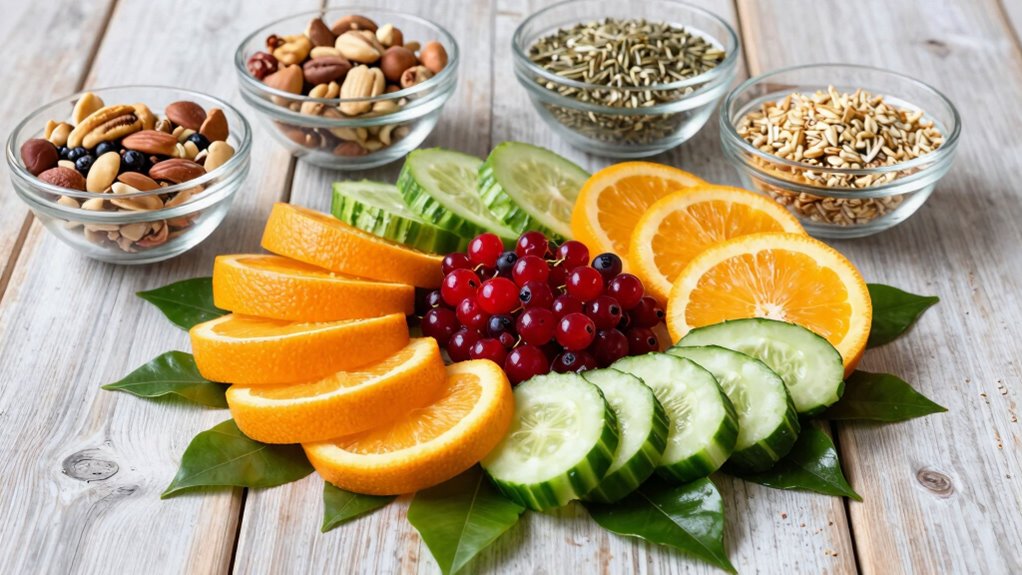
Starting a raw meal plan is simple when you focus on familiar, whole foods like fruits, crunchy vegetables, nuts, and seeds. Keep easy snacks handy, such as carrot sticks with almond butter or smoothies packed with fruits and greens. Experiment with simple recipes like salads or sprouted grain bowls to add variety. Pay attention to how your body reacts and adjust accordingly. Stick with it, and you’ll discover the many benefits and enjoyable ways to incorporate raw foods into your lifestyle.

Get kitchen staples and gadgets delivered free with Prime
- Fast, free delivery on millions of items
- Prime Video, Amazon Music and more included
- Member-only deals all year
Key Takeaways
- Start with simple, familiar fruits, vegetables, nuts, and seeds to gradually incorporate raw foods into your diet.
- Prepare quick snacks like fruit and nut mixes or vegetable sticks with dips for easy, nutrient-dense options.
- Use smoothies to easily boost your intake of raw fruits, greens, and seeds in one meal.
- Learn proper storage and preservation techniques to keep raw ingredients fresh and nutritious.
- Listen to your body’s responses and adjust raw food choices for comfort, sustainability, and enjoyment.
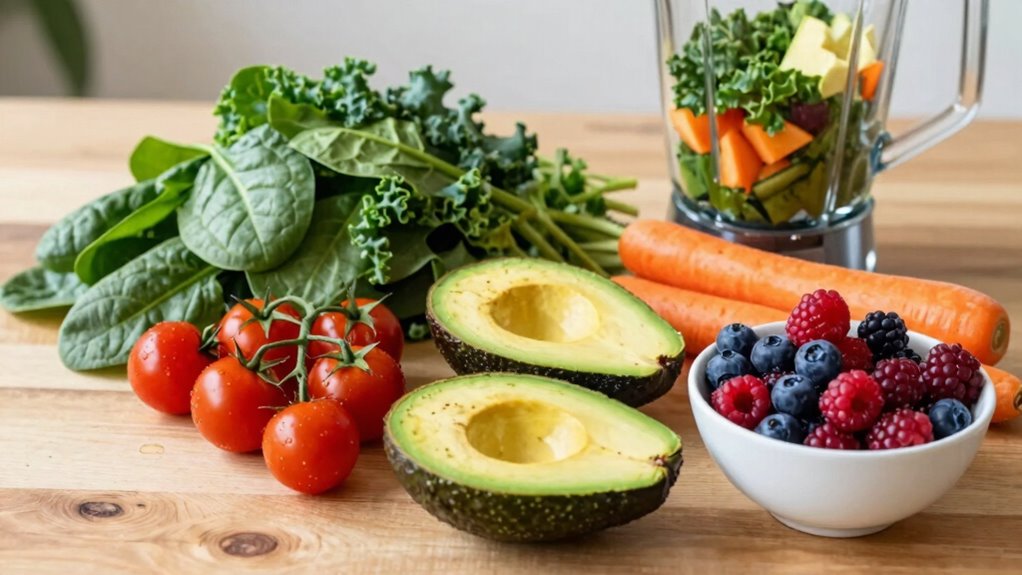
Starting a raw meal diet might seem overwhelming at first, but with a little guidance, you’ll find it easier than you think. Many people jump into raw eating expecting drastic changes overnight, but the key is to take small, manageable steps. One of the biggest reasons people consider this diet is for its nutritional benefits. Raw foods retain more vitamins, enzymes, and nutrients because they aren’t exposed to heat, which can destroy delicate compounds. Eating raw promotes better digestion and can boost your energy levels, plus it encourages the consumption of a variety of fruits, vegetables, nuts, and seeds. These foods are naturally low in processed ingredients, helping you cut out added sugars and preservatives that are common in packaged foods.
Starting a raw meal diet is easier than you think with small steps and a focus on nutrient-rich, minimally processed foods.
However, there are common misconceptions that might hold you back or cause confusion. Some believe that raw diets are all about eating only fruit or salads, but that isn’t true. A balanced raw meal plan includes a mix of vegetables, fruits, nuts, seeds, and even sprouted grains or legumes. It’s not about deprivation but about variety and creativity. Another misconception is that raw diets are difficult to sustain or lack enough calories, but with proper planning, you’ll find plenty of nutrient-dense options to keep you energized throughout the day. Incorporating raw foods doesn’t mean giving up cooked meals entirely; many people start with a partial raw approach and gradually increase their intake.
To get started, focus on simple, whole foods you already enjoy. Keep some fresh fruits, crunchy vegetables, nuts, and seeds on hand. You can make quick snacks like carrot sticks with almond butter or a fruit and nut mix. Smoothies are an excellent way to incorporate raw ingredients and pack in nutrients, especially when you’re short on time. As you become more comfortable, experiment with simple recipes like vegetable salads, raw wraps, or sprouted grain bowls. Remember, the goal is to make this a sustainable lifestyle change, not a temporary diet. The more you learn about the nutritional benefits of raw foods, the more motivated you’ll be to explore new recipes and ideas. Additionally, understanding the importance of raw food preservation methods can help you maintain freshness and nutrient value in your raw ingredients.
Another helpful tip is to familiarize yourself with growing and sourcing raw ingredients, which can ensure you’re using the freshest produce. Learning about nutritional content can also help you make balanced choices and optimize your raw diet. Being aware of food safety practices is equally important to prevent spoilage and contamination, especially when handling raw foods. To further support your raw food journey, exploring proper storage techniques can extend the life of your ingredients and reduce waste. Most importantly, listen to your body. If you notice certain raw foods don’t agree with you, adjust your choices accordingly. With patience and curiosity, you’ll discover how accessible and rewarding a raw meal diet can be, setting a solid foundation for a healthier lifestyle.
high speed blender for fruit and green smoothies
As an affiliate, we earn on qualifying purchases.
As an affiliate, we earn on qualifying purchases.
Frequently Asked Questions
Can Raw Meals Meet All My Nutritional Needs?
Raw meals can meet your nutritional needs if you focus on nutritional balance and meal variety. By including a mix of fruits, vegetables, nuts, and seeds, you guarantee you’re getting essential vitamins, minerals, and proteins. It’s important to plan your meals carefully, combining different raw ingredients to cover all nutrient bases. With thoughtful choices, you can enjoy raw meals that support your health and provide complete nutrition.
How Do I Handle Food Safety With Raw Ingredients?
Handling food safety with raw ingredients might seem like overkill, but it’s essential. You should practice proper food preservation—keep ingredients refrigerated and avoid leaving them out too long. Be vigilant about cross contamination; use separate knives and cutting boards for produce and other raw ingredients. Wash everything thoroughly, especially before blending or eating, to reduce the risk of harmful bacteria. A little care now prevents illness later—irony’s in the details.
Are Raw Meals Suitable for Children and Pregnant Women?
Raw meals can be suitable for children and pregnant women if you use proper cooking techniques and guarantee food safety, like washing ingredients thoroughly and avoiding risky items. Focus on meal presentation to make raw dishes appealing and easy to eat. Always consult healthcare providers before introducing raw foods to vulnerable groups. By paying attention to hygiene and presentation, you can create safe, nutritious raw meals that suit their dietary needs.
What Are Common Challenges When Starting Raw Eating?
When starting raw eating, you might face challenges like meal planning and finding the right kitchen tools. Imagine chopping vibrant vegetables and blending smoothies, but struggling to organize your ingredients efficiently. You may feel overwhelmed by the variety of produce or unsure which tools are essential. Staying consistent can be tough, especially when adapting recipes or managing cravings. With patience and proper planning, you’ll gradually turn these hurdles into enjoyable, nourishing routines.
How Can I Transition From Cooked to Raw Meals Gradually?
To shift gradually from cooked to raw meals, start by incorporating raw alternatives into your favorite dishes. For example, swap cooked veggies with raw ones or use raw nuts and seeds. Meal planning helps you stay organized and guarantees you have fresh ingredients ready. Slowly increase raw meals each week, allowing your body to adapt comfortably while exploring new flavors and textures.
Conclusion
Embracing raw meals opens a world of freshness and vitality, transforming your diet with vibrant flavors and natural nutrients. While the journey may seem intimidating at first, each simple step brings clarity and confidence. You trade processed foods for purity, routine for discovery. In this balance, you find nourishment not just for your body, but for your spirit—an unexpected harmony between simplicity and vitality, quiet confidence, and vibrant health.
Fall Picks
fall essentials
As an affiliate, we earn on qualifying purchases.