
TL;DR

Get kitchen staples and gadgets delivered free — and shop member deals
- Fast, free delivery on millions of items
- Access to Prime Big Deal Days deals on October 6–7
- Prime Video, Amazon Music and more included
King Charles III’s private residence, Highgrove House, is a reflection of his personal interests, especially sustainability and gardening. The estate’s gardens have been transformed into a sanctuary that attracts thousands annually. This article explores the estate’s history, features, and significance.
King Charles III’s private estate, Highgrove House, remains a deeply personal residence that exemplifies his commitment to environmental sustainability and traditional craftsmanship. The estate’s gardens, which attract thousands of visitors annually, are a testament to his lifelong passion for horticulture and conservation.
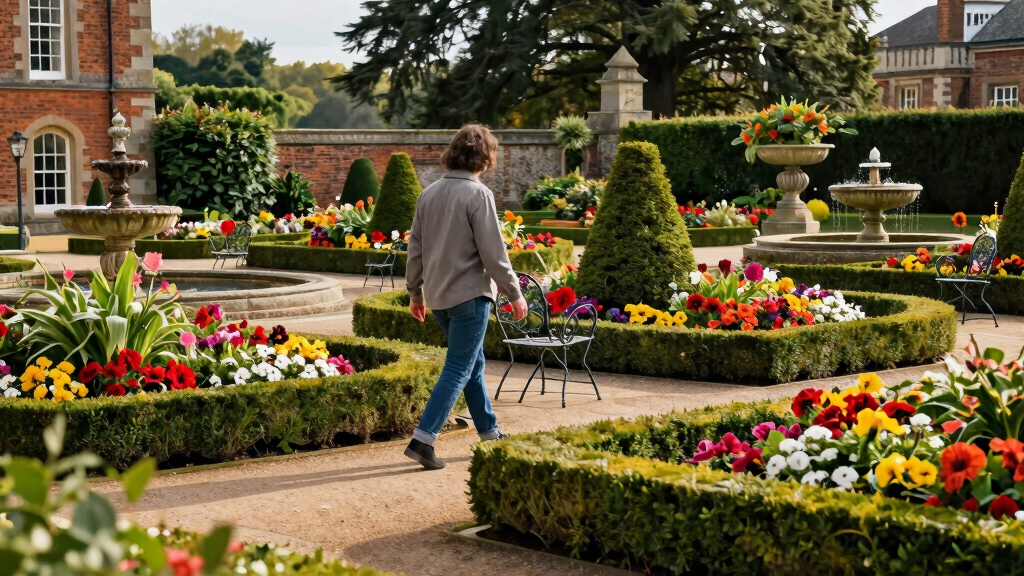
Highgrove House, acquired by Charles in 1980, is a Georgian Neoclassical residence set within over 900 acres of land in Gloucestershire. Originally built in the late 1700s, it was transformed into a family home and a testing ground for Charles’s environmental ideas, including solar panels, organic farming, and natural wastewater systems. The estate’s gardens, developed over decades with renowned horticulturalists, feature the Cottage Garden, Sundial Garden, and the woodland Stumpery, each reflecting Charles’s personal tastes and ecological principles.
While ownership of Highgrove has technically transferred to Prince William following Charles’s accession as King, it continues to serve as his private retreat. The gardens, especially the iconic Cottage Garden and the playful treehouse built for William and Harry, remain central to Charles’s personal and environmental pursuits. The estate also functions as a location for public visits, emphasizing its role in promoting sustainable gardening practices.
Why Highgrove’s Gardens Matter to the King’s Legacy
Highgrove’s gardens symbolize King Charles’s lifelong dedication to environmental causes, blending traditional gardening with sustainable practices. The estate’s transformation under his guidance has made it a model for eco-friendly horticulture, influencing public awareness and gardening trends. Its significance extends beyond personal comfort, representing a tangible expression of his environmental advocacy and heritage.
As an affiliate, we earn on qualifying purchases.
Historical and Personal Roots of Highgrove
Charles acquired Highgrove in 1980, shortly before his marriage to Princess Diana. Originally built in the late 1700s, it has a history of ownership by notable families, including the Crawley-Boevey family and Harold Macmillan’s family. Over the decades, Charles has extensively renovated the estate, turning it into a reflection of his personal values. The estate’s gardens, developed from a neglected space into an acclaimed horticultural site, have become a central part of his legacy.
“Creating the gardens at Highgrove has been like a form of worship for me.”
— King Charles III
Unresolved Aspects of Highgrove’s Future Use
It is not yet clear how Highgrove will be used now that Charles has become King, or whether it will be maintained as a private residence or open to the public more extensively. Details about any planned renovations or changes to the estate’s public access remain undisclosed.
Next Steps for Highgrove’s Preservation and Public Engagement
Further information is expected regarding the estate’s future management, including potential updates on public access and conservation efforts. The royal family may also continue to showcase Highgrove’s gardens as part of their environmental initiatives.
Key Questions
Will King Charles continue to live at Highgrove now that he is King?
It is not confirmed whether Charles will reside at Highgrove full-time now that he is King, but it remains a personal and family retreat.
Can the public visit Highgrove’s gardens?
Yes, Highgrove’s gardens are open to visitors, attracting around 40,000 annually, and remain a key part of Charles’s environmental advocacy.
What are the main features of Highgrove’s gardens?
The gardens include the Cottage Garden, Sundial Garden, and the woodland Stumpery, all reflecting Charles’s sustainable gardening principles and personal taste.
How has Highgrove influenced environmental gardening practices?
Highgrove has served as a model for organic farming, sustainable landscaping, and eco-friendly estate management, inspiring broader adoption of green practices.
Source: Elle Decor
NFL season / tailgating Picks
team gear
As an affiliate, we earn on qualifying purchases.