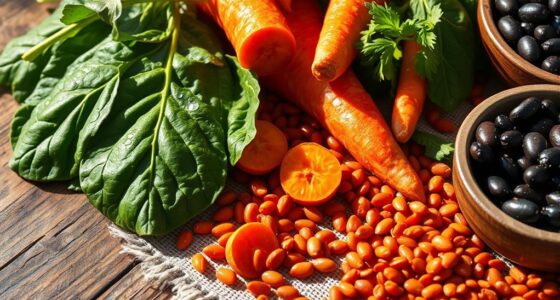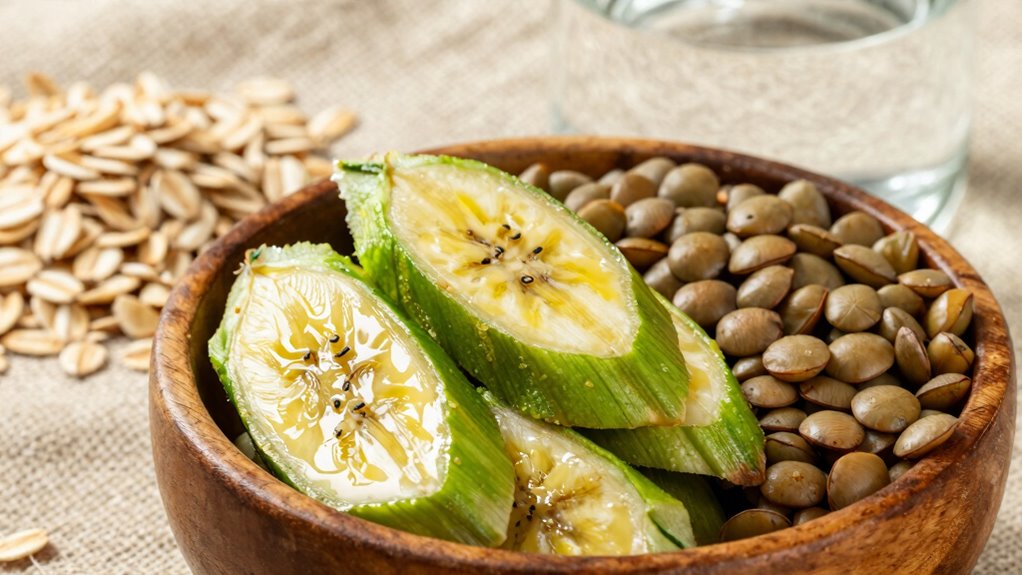

Resistant starch is a type of carbohydrate that your body can’t digest in the small intestine, so it passes into your large intestine. There, it acts as food for beneficial gut bacteria through fermentation, producing helpful short-chain fatty acids like butyrate. This process supports your digestion, immune system, and even appetite control. Including foods like cooled potatoes, unripe bananas, or legumes can boost your intake. Keep exploring to discover how to incorporate it into your meals effectively.

Get kitchen staples and gadgets delivered free — and shop member deals
- Fast, free delivery on millions of items
- Access to Prime Big Deal Days deals on October 6–7
- Prime Video, Amazon Music and more included
Key Takeaways
- Resistant starch is a type of carbohydrate that isn’t digested in the small intestine but feeds beneficial gut bacteria.
- It ferments in the large intestine, producing short-chain fatty acids that support gut health and immunity.
- Common sources include cooled cooked potatoes, green bananas, legumes, and whole grains.
- Consuming resistant starch improves digestion, reduces inflammation, and promotes a diverse, resilient microbiome.
- Gradually adding resistant starch to your diet enhances gut adaptation and overall digestive well-being.
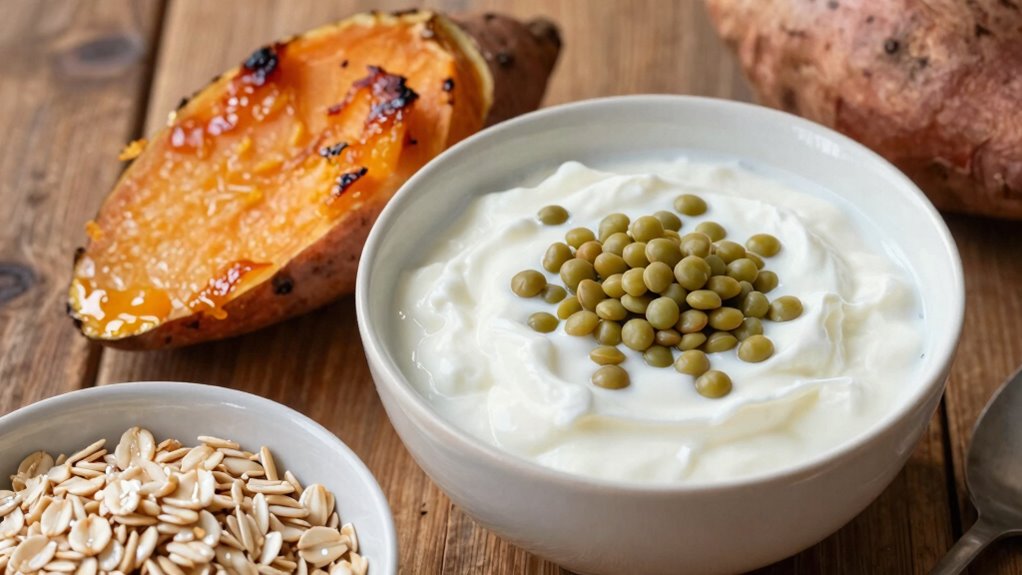
Resistant starch is a type of carbohydrate that your body doesn’t digest in the small intestine, passing instead into your large intestine. Once there, it acts like a prebiotic, feeding the friendly bacteria that reside in your gut. This process, called fermentation, produces beneficial compounds like short-chain fatty acids, which help maintain a healthy digestive environment. Fermentation benefits extend beyond digestion; they support your immune system, improve insulin sensitivity, and can even influence your appetite regulation.
Resistant starch feeds gut bacteria, promotes fermentation, and supports digestion, immunity, and overall health.
You might be surprised to learn that resistant starch isn’t just found in exotic foods. In fact, many common dietary sources contain this beneficial carbohydrate. For example, slightly green bananas and plantains are rich in resistant starch. Cooked and cooled potatoes and rice also become higher in resistant starch after they’re cooked and then cooled, due to a process called retrogradation. Legumes, like chickpeas and lentils, are naturally packed with resistant starch, making them a smart addition to your meals. Whole grains, especially oats and barley, provide a decent amount of resistant starch as well. Including these foods in your diet can naturally boost your intake and promote gut health.
The fermentation benefits of resistant starch are important. When bacteria break down resistant starch, they produce short-chain fatty acids like butyrate, acetate, and propionate. These acids nourish your intestinal cells, improve gut barrier function, and reduce inflammation. This process also encourages the growth of beneficial bacteria, which helps maintain a balanced microbiome. A healthy microbiome is essential for digestion, nutrient absorption, and even mental health, highlighting why resistant starch can be a fundamental part of your daily diet. Additionally, incorporating resistant starch can help support gut microbiome diversity, which is crucial for overall health. Consuming resistant starch regularly can also help sustain long-term gut health by fostering a resilient microbial community. Research shows that dietary fiber plays a significant role in shaping the composition of your gut bacteria, emphasizing the importance of resistant starch as part of a fiber-rich diet. Moreover, resistant starch can contribute to weight management by promoting feelings of fullness and regulating blood sugar levels.
Incorporating resistant starch into your meals is simple. You can add cooled cooked potatoes or rice to salads, snack on unripe bananas, or include legumes in your soups and stews. Over time, increasing your intake may lead to improved digestion, reduced bloating, and better gut health overall. Keep in mind that introducing more resistant starch should be gradual, as your gut bacteria need time to adjust. Drinking plenty of water and maintaining a fiber-rich diet will support the fermentation process and maximize the benefits.
Ultimately, resistant starch is a powerful, natural way to nourish your gut bacteria and boost your digestive health. By understanding its dietary sources and fermentation benefits, you can make smarter food choices that support your overall well-being. This simple carbohydrate plays a fundamental role in maintaining a healthy, balanced microbiome, helping you feel better from the inside out.
As an affiliate, we earn on qualifying purchases.
Frequently Asked Questions
Can Resistant Starch Help With Weight Loss?
Yes, resistant starch can help with weight loss. It promotes healthy gut bacteria, which improves digestive health and boosts metabolism. When you include resistant starch in your diet, it helps you feel fuller longer, reducing overeating. Plus, it aids in better nutrient absorption and stabilizes blood sugar levels. By supporting gut health, resistant starch can be a valuable tool in your weight management journey.
Are There Any Side Effects of Consuming Resistant Starch?
Consuming resistant starch can cause some side effects, especially if you’re new to it. You might experience digestive discomfort like bloating, gas, or cramping as your gut adjusts. Additionally, it can influence nutrient absorption, so it’s important not to overdo it. Start with small amounts and increase gradually to minimize these effects. If you notice persistent issues, consult a healthcare professional to make sure it’s suitable for your diet.
How Much Resistant Starch Should I Include in My Diet?
You should aim for a beneficial intake of about 15 to 30 grams of resistant starch daily. Incorporate dietary sources like cooled cooked potatoes, green bananas, oats, and legumes into your meals. Start gradually to avoid digestive discomfort and increase your intake over time. Listen to your body, and adjust accordingly, ensuring you’re supporting your gut health without overdoing it.
Does Cooking Affect Resistant Starch Levels?
Imagine your favorite pasta, steaming on your plate—cooking transforms its starch, making it easier to digest but reducing resistant starch levels. Different cooking methods, like boiling or baking, cause starch transformation, diminishing resistant starch. If you want to maximize it, consider cooling cooked foods afterward, as this process allows resistant starch to re-form. So, your cooking choices directly influence how much resistant starch you retain in your meals.
Can Resistant Starch Improve Blood Sugar Control?
Yes, resistant starch can improve blood sugar control. When you consume resistant starch, it reaches your gut intact, where gut bacteria ferment it through a fermentation process. This process produces beneficial short-chain fatty acids that help regulate blood sugar levels, improve insulin sensitivity, and reduce inflammation. Incorporating resistant starch-rich foods into your diet supports a healthy gut microbiome, which plays a vital role in maintaining stable blood sugar levels over time.
Conclusion
Just as the hero’s journey transforms the ordinary into the extraordinary, embracing resistant starch can revolutionize your gut health. It’s the secret weapon that fuels your microbiome, strengthening your defenses from within. By choosing foods rich in resistant starch, you’re nurturing your inner ecosystem—your very own sanctuary. Remember, every small step echoes the timeless wisdom of nurturing what sustains us, turning everyday meals into powerful acts of self-care. Your gut’s resilience begins with this simple, yet profound, choice.
NFL season / tailgating Picks
team gear
As an affiliate, we earn on qualifying purchases.