Meal prep costs go beyond just ingredients—hidden expenses like food waste, pricey supplies, and inefficient techniques can add up quickly. To save, opt for versatile, budget-friendly ingredients, bulk purchases, and eco-friendly storage solutions. Simplify your process with pre-chopped veggies and batch-cooked grains, and plan ahead to reduce waste and impulse buys. Want to learn how to make your meal prep cheaper and easier? Keep going for practical tips that can transform your routine.
Key Takeaways
- Use versatile staples and seasonal ingredients to reduce costs and minimize food waste.
- Incorporate bulk purchases and store condiments in reusable containers to save long-term expenses.
- Opt for frozen produce and affordable protein sources like eggs or canned fish for budget-friendly meals.
- Plan meals in advance with detailed shopping lists to avoid impulse buys and unnecessary spending.
- Choose eco-friendly storage solutions and pre-chopped or frozen ingredients to streamline prep and cut waste.

Reusable Beeswax Wrap – 9 Pack Beeswax Wraps for Food, Eco-Friendly Beeswax Food Wraps, Bread Sandwich Wrapper – Organic, Sustainable, Zero Waste, Reusable Plastic-Free Food Storage Wrap, 1XL, 3M, 5S
【NATURAL ECO-FRIENDLY INGREDIENTS】: Our Reusable Beeswax Wrap are made from Organic cotton, Organic jojoba oil, Natural Harvest beeswax,…
As an affiliate, we earn on qualifying purchases.
As an affiliate, we earn on qualifying purchases.
What Are the Hidden Costs of Meal Prep?
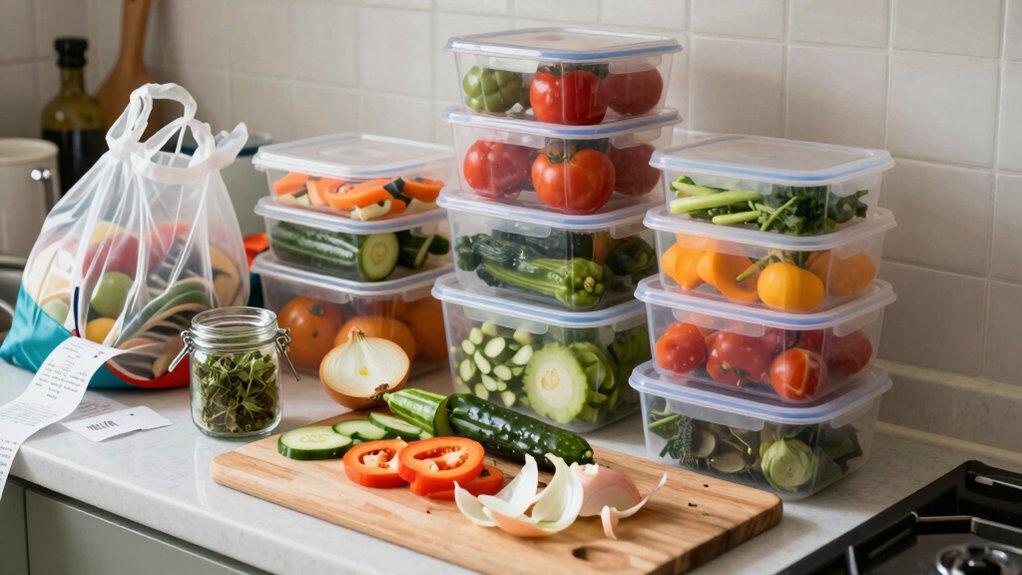
While meal prepping can save you time and money in the long run, it also comes with hidden costs that often go unnoticed. One common issue is meal prep fatigue, which can make you lose enthusiasm and lead to wasted food or skipped meals. Additionally, hidden ingredient costs can sneak up on you. You might buy bulk ingredients, but over time, these add up, especially if you incorporate expensive superfoods or specialty items. Also, frequent shopping trips for fresh ingredients can increase expenses. You may not realize how much money is spent on extras like herbs, spices, or condiments that seem small but accumulate quickly. Being aware of these hidden costs helps you plan better and avoid overspending, making your meal prep efforts more sustainable and cost-effective. Moreover, understanding cost management strategies can help you find innovative ways to make meal prep more enjoyable and engaging, reducing the risk of fatigue and waste. Implementing proper budgeting techniques ensures your meal prep remains affordable over time. Incorporating cost-effective shopping lists and meal planning can further reduce unnecessary expenditure and streamline your process. Additionally, exploring creative ingredient substitutions can help keep costs down without sacrificing flavor or variety.

Magic Mill Premium Borosilicate Glass Food Storage Containers with lids Set | 24pc Sets with 12 Bowls & 12 Airtight Locking Lids for Lunch & Meal Prep, Safe for Oven, Freezer, Dishwasher, BPA-Free
MAGIC MILL'S ULTIMATE GLASS FOOD STORAGE CONTAINERS – Transition from plastic to a sustainable lifestyle with our premium…
As an affiliate, we earn on qualifying purchases.
As an affiliate, we earn on qualifying purchases.
Smart Ways to Save on Containers and Supplies
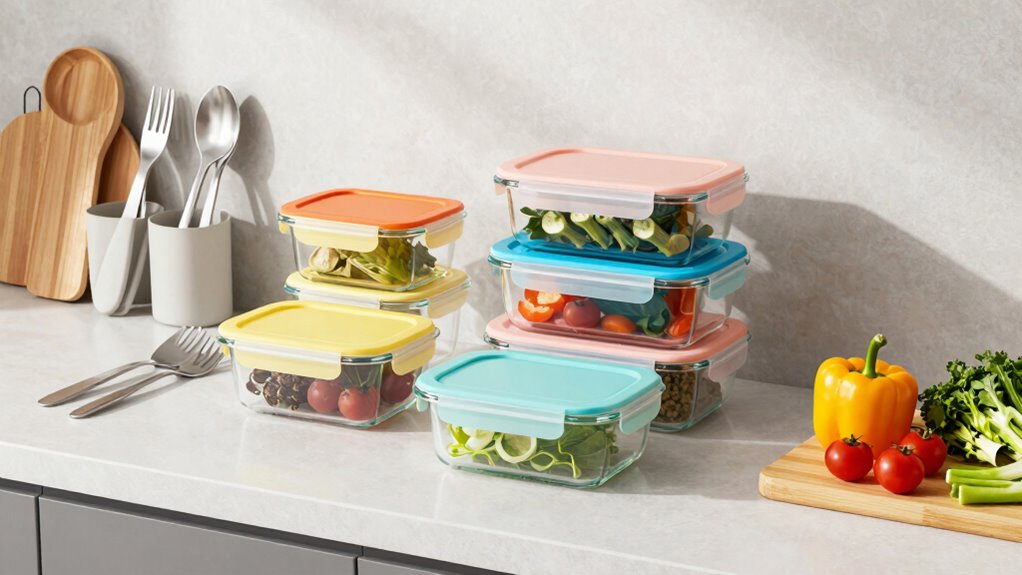
Saving money on containers and supplies doesn’t mean you have to sacrifice quality or convenience. Opt for reusable bags to store snacks and leftovers—they’re durable, cost-effective, and eco-friendly. Instead of buying single-use plastic wrap, invest in eco-friendly wraps like beeswax wraps, which are reusable and versatile. These options reduce waste and save you money in the long run. Look for bulk deals on containers, and consider repurposing jars or sturdy food storage boxes you already own. Keep an eye out for sales on essential supplies, and don’t overlook secondhand stores or online marketplaces. By choosing reusable bags and eco-friendly wraps, you cut costs and minimize your environmental impact, making your meal prep routine both budget-friendly and sustainable. Additionally, incorporating reusable storage options like glass containers or silicone lids can further enhance your eco-conscious approach. Incorporating Free Floating backyard transformation elements can create a more enjoyable and functional outdoor space for meal prep and entertaining. And, choosing energy-efficient appliances can help reduce your overall household costs while supporting sustainable living. To maximize savings, consider UST projectors and ALR screens for versatile outdoor movie nights that combine entertainment and energy savings. Incorporating sustainable materials into your kitchen setup can also contribute to a greener lifestyle.

Glass Food Storage Jars 37 oz Set of 6,Glass Storage Containers Clear Glass Food Canister with Bamboo Lid Airtight For Serving Tea, Coffee, Flour, Sugar, Candy, Cookie, Spice and More (Square)
AIRTIGHT SEAL FOR FRESH STORAGE:Glass food storage jars with secure lids designed to create an airtight seal that…
As an affiliate, we earn on qualifying purchases.
As an affiliate, we earn on qualifying purchases.
How to Choose Budget-Friendly, Nutritious Ingredients
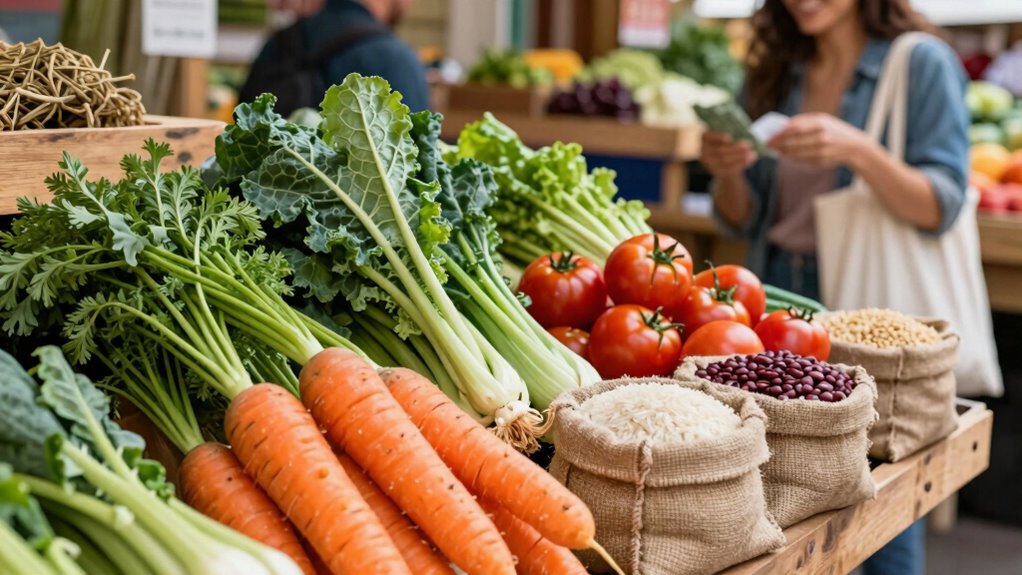
Choosing budget-friendly, nutritious ingredients starts with planning your meals around versatile staples like beans, rice, and seasonal vegetables. These ingredients provide affordability and flexibility for nutritious meal swaps that keep your diet balanced. To further save, consider these tips:
Plan meals around beans, rice, and seasonal vegetables for affordable, nutritious eating.
- Shop for budget friendly snacks like nuts or dried fruit in bulk.
- Opt for frozen produce, which is often cheaper and just as nutritious.
- Use whole grains instead of processed carbs to stretch your budget.
- Incorporate affordable protein sources such as eggs or canned fish.
- Being mindful of cost-effective shopping strategies can motivate you to stick with your meal prep goals and maintain a positive mindset. Additionally, understanding the financial impact of lifestyle choices can help you make more informed decisions when planning your meals. Implementing budget-conscious shopping techniques can further enhance your savings and meal variety. Planning your meals around seasonal ingredients can also maximize savings and freshness.
Focusing on these strategies helps you cut costs without sacrificing nutrition. By selecting ingredients carefully, you can enjoy delicious, healthy meals that are easier on your wallet. Keep an eye out for seasonal deals and plan your shopping accordingly.
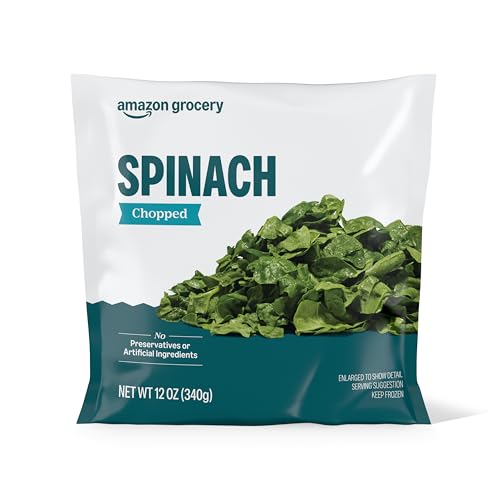
Amazon Grocery, Chopped Spinach, 12 Oz, Frozen
One 12 ounce bag of Frozen Chopped Spinach
As an affiliate, we earn on qualifying purchases.
As an affiliate, we earn on qualifying purchases.
Tips to Simplify and Speed Up Your Meal Prep
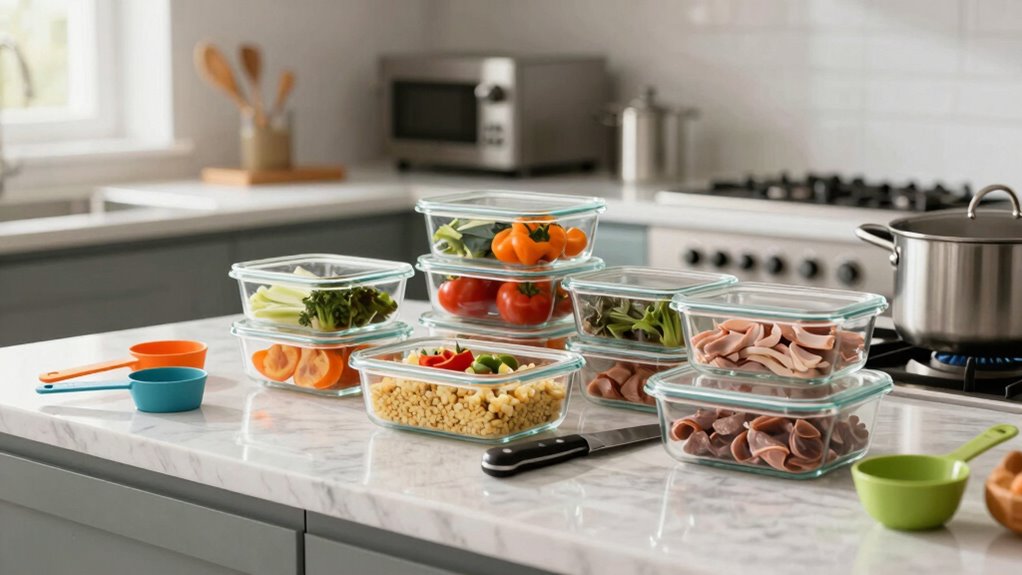
To speed up your meal prep, focus on streamlining your process with simple strategies. Use simple shortcuts like pre-chopped vegetables, frozen ingredients, and batch-cooked grains to save time. Opt for quick recipes that require minimal steps, such as one-pan dishes or salads with pre-washed greens. Planning your meals ahead helps you reduce decision fatigue and avoid last-minute decisions, and set aside specific times for prep work. Keep your kitchen organized so you can find tools and ingredients easily, reducing delays. Using versatile ingredients across multiple meals also cuts down on prep and cleanup. Additionally, understanding your connected appliances and maintaining them regularly can prevent unexpected interruptions during meal prep. Incorporating smart indoor gardens to grow fresh herbs and greens at home can further streamline your cooking process and enhance flavor. Incorporating limited-edition artwork into your kitchen decor can motivate you to enjoy and stick with your meal planning routine. Remember, the goal is to make meal prep faster without sacrificing nutrition or flavor. Incorporating these simple shortcuts and quick recipes helps you stay efficient and less overwhelmed.
Affordable Cooking Techniques and Gear to Use
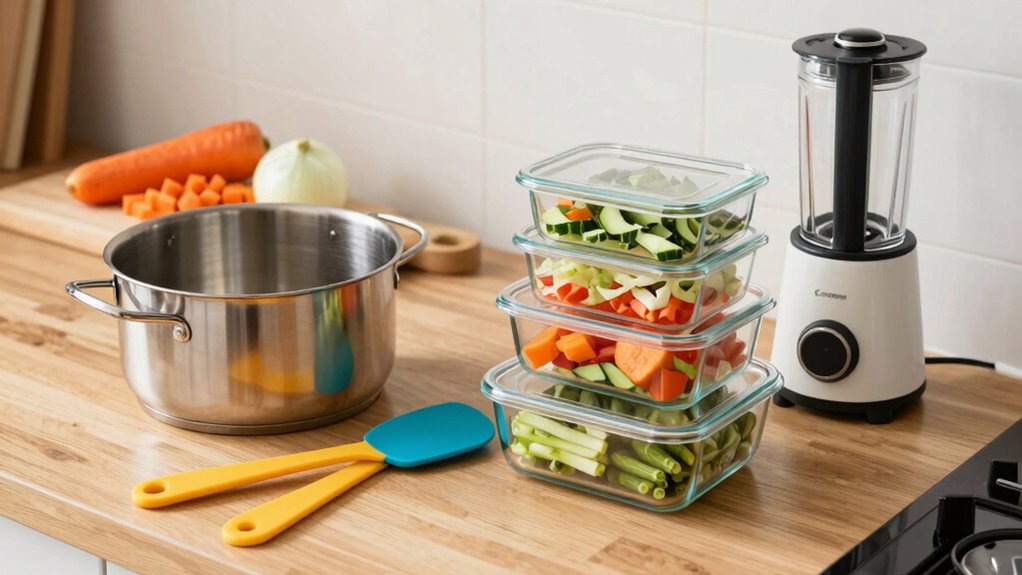
Using cost-effective kitchen tools can save you money while making meal prep easier. Bulk buying ingredients helps lower your overall expenses and reduces trips to the store. By choosing affordable gear and smart shopping strategies, you can keep meal prep budget-friendly without sacrificing quality. Incorporating smart kitchen tools can further streamline your cooking process and enhance efficiency. Additionally, understanding how kitchen tools work can help you select the most effective and safe equipment, preventing costly mistakes and prolonging their lifespan. Knowing the proper care & maintenance of your appliances also ensures they operate efficiently and last longer, saving you money over time. Familiarizing yourself with power tool safety procedures and proper setup techniques can help you avoid accidents and extend the life of your equipment, ultimately saving costs associated with repairs or replacements. Moreover, exploring energy-efficient appliances can significantly reduce ongoing utility costs and environmental impact over the long term.
Cost-Effective Kitchen Tools
You don’t need expensive gadgets to prepare meals efficiently and affordably. Instead, focus on versatile, cost-effective tools that last. For example:
- Reusable utensils reduce waste and save money over time.
- A quality chef’s knife makes prep quicker and safer.
- A non-stick pan allows for healthier cooking with less oil.
- Compostable packaging helps cut costs on single-use plastics and supports eco-friendly practices.
Bulk Buying Strategies
Buying in bulk can considerably lower your overall meal costs, especially when you focus on versatile ingredients like grains, beans, and frozen vegetables. To maximize savings, plan your meal portioning carefully, dividing large quantities into manageable servings that suit your weekly needs. Invest in good storage solutions such as airtight containers and resealable bags to keep ingredients fresh and prevent waste. Proper storage makes it easier to organize your pantry and freezer, reducing the time spent searching for ingredients and avoiding spoilage. When buying in bulk, always check unit prices to ensure you’re getting the best deal. This strategy not only cuts costs but also streamlines your prep process, making meal planning more efficient and hassle-free.
Planning and Shopping Strategies to Cut Your Overall Costs
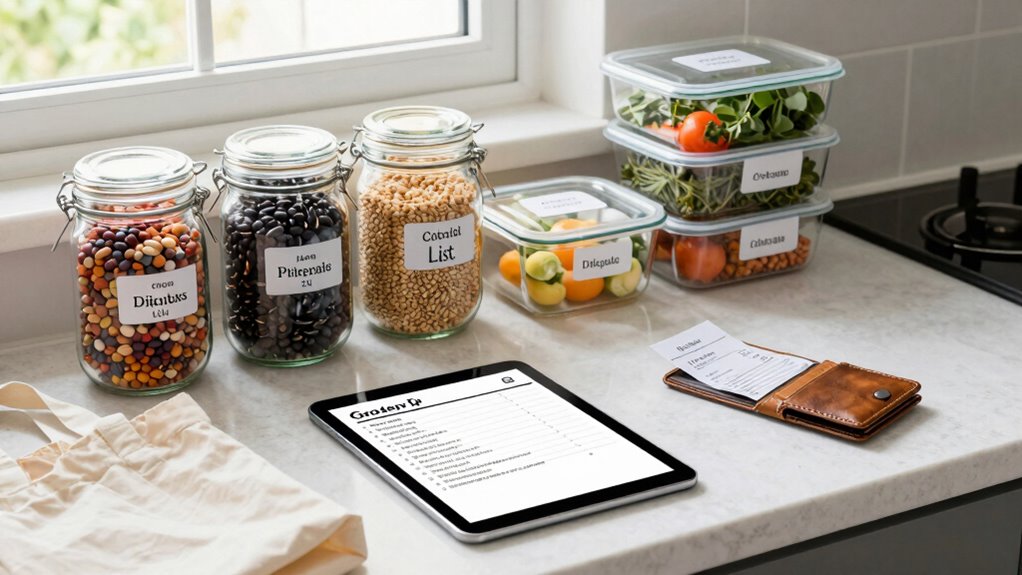
Effective planning and smart shopping are key to reducing your overall meal prep costs. To do this, focus on these strategies:
- Create detailed meal plans to avoid impulse buys and reduce waste.
- Make thorough grocery lists based on your meal plan, sticking to them strictly.
- Shop with a list to prevent impulse purchases and prioritize sales on staples.
- Compare unit prices to find the best deals and buy in bulk when possible.
Frequently Asked Questions
How Can I Reduce Food Waste During Meal Prep?
To reduce food waste during meal prep, practice portion control to avoid leftovers. Plan your meals carefully, buying only what you need. Use leftovers creatively for future meals. Compost vegetable scraps and food scraps to minimize waste and nourish your garden. Store ingredients properly to extend their freshness. By following these composting tips and controlling portions, you’ll cut waste, save money, and make meal prep more efficient.
Are There Cost-Effective Ways to Store Leftovers Safely?
Think of your leftovers as treasures waiting to be rediscovered. Use reusable containers to keep them safe and fresh, like little treasure chests. Proper refrigeration is your armor against spoilage, locking in flavor and preventing waste. Label each container with dates, so you use the oldest first. This simple routine saves money and reduces waste, turning your leftovers into valuable, cost-effective meals instead of forgotten scraps.
What Are Some Affordable Sources of Protein?
You can find affordable sources of protein by including plant-based proteins like beans, lentils, and chickpeas in your meals—they’re budget-friendly and versatile. Additionally, opt for budget-friendly meats like chicken thighs, ground turkey, or pork shoulder, which tend to cost less than pricier cuts. Eggs are another excellent, cost-effective protein source. Combining these options helps you stay within your budget while ensuring you get enough protein daily.
How Can I Customize Meal Prep for Dietary Restrictions Inexpensively?
You can customize meal prep for dietary restrictions inexpensively by using gluten-free swaps like rice or quinoa instead of pricier grains, and exploring budget-friendly vegan alternatives such as beans, lentils, or tofu. Shop in bulk, look for sales, and plan meals around seasonal produce to save money. Incorporate versatile ingredients that meet your dietary needs, and prep in batches to reduce waste and streamline your cooking process.
What Are the Best Times to Buy Groceries for Discounts?
Ever wonder when you should buy groceries to score the best deals? The secret lies in perfect timing. Shop during seasonal sales and plan your shopping around weekly discounts, typically early in the week or late in the evening. These moments often offer the deepest discounts on fresh produce and staples. By mastering shopping timing, you can save big without sacrificing quality or convenience, making meal prep more affordable and enjoyable.
Conclusion
So, next time you spend hours prepping meals, remember the hidden costs lurking behind those perfectly portioned containers. It’s funny how saving money often means spending a little more time or effort upfront. But hey, if you’re willing to navigate budget-friendly ingredients and simple techniques, you might just find the real cost of convenience isn’t always in your wallet—it’s in your patience. Who knew saving money could be so delightfully complicated?