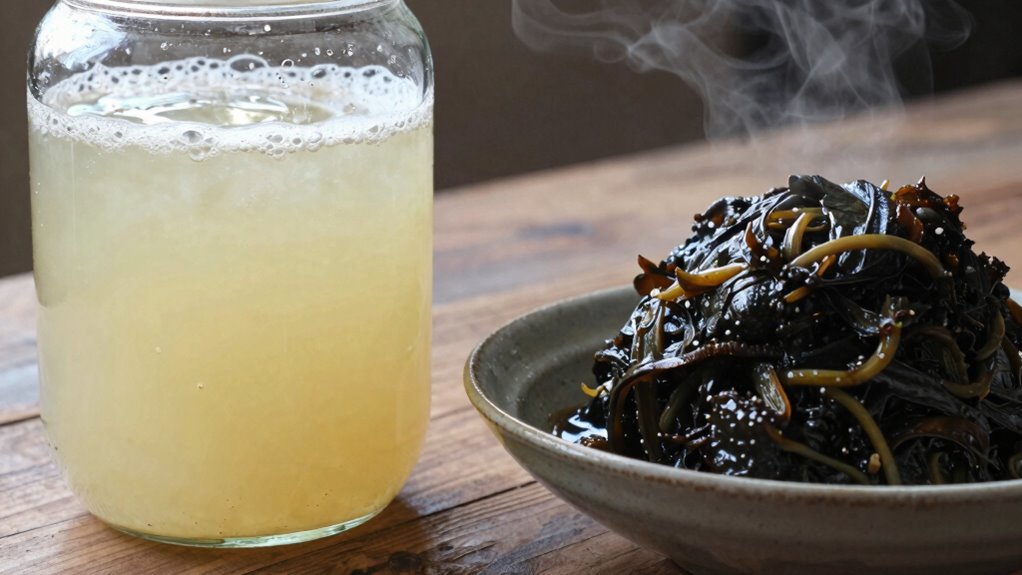

Normal fermentation smells are usually mild, sour, fruity, or yeasty, showing active microorganisms converting sugars into alcohol or acids. However, if you notice rotten, foul, or off-putting odors, or see signs like mold or discoloration, it’s a sign of spoilage. Proper sanitation, temperature control, and ventilation help manage smells, but if odors worsen or seem unusual, seeking expert advice is wise. Keep exploring to discover more tips for safe, pleasing fermentations.
Open a free Amazon Business account
Business pricing, bulk buying and tax-exempt orders.
As an affiliate, we earn on qualifying purchases.
Key Takeaways
- Normal fermentation smells include mild sourness, fruity, or yeasty aromas indicating active, healthy microbial activity.
- Off-putting odors like rotten, foul, or rancid scents signal potential spoilage or contamination.
- Proper sanitation, temperature, and airflow help maintain pleasant fermentation odors and prevent unpleasant smells.
- Unusual or persistent strong odors should be assessed or addressed with expert advice to ensure safety.
- Using air filtration and odor control measures can help manage and reduce fermentation-related smells effectively.
air purifier for fermentation odors
As an affiliate, we earn on qualifying purchases.
As an affiliate, we earn on qualifying purchases.
What Do Normal Fermentation Smells Like?

When fermentation proceeds normally, it emits familiar, pleasant aromas that indicate everything is working as it should. These fermentation aromas create a typical scent that many find inviting and reassuring. You might notice a mild sourness, a fruity note, or a yeasty, bread-like smell. These scents are signs of healthy fermentation, reflecting active yeast or bacteria converting sugars into alcohol or acids. The aroma should be balanced and not overpowering. If you smell a clean, slightly tangy scent, you’re likely on the right track. Remember, these typical scents vary depending on what you’re fermenting, but in general, they’re pleasant and natural. Maintaining a clean environment can help prevent unwanted off-odors and support proper fermentation. Proper storage conditions also play a crucial role in ensuring the fermentation smells remain normal. Being aware of microbial activity can help you distinguish between normal and problematic odors. Monitoring these fermentation indicators allows for better control and understanding of the process. Trust these familiar fermentation aromas as a good sign that your process is progressing smoothly and safely.
How to Recognize Signs of Spoiled Fermentation?
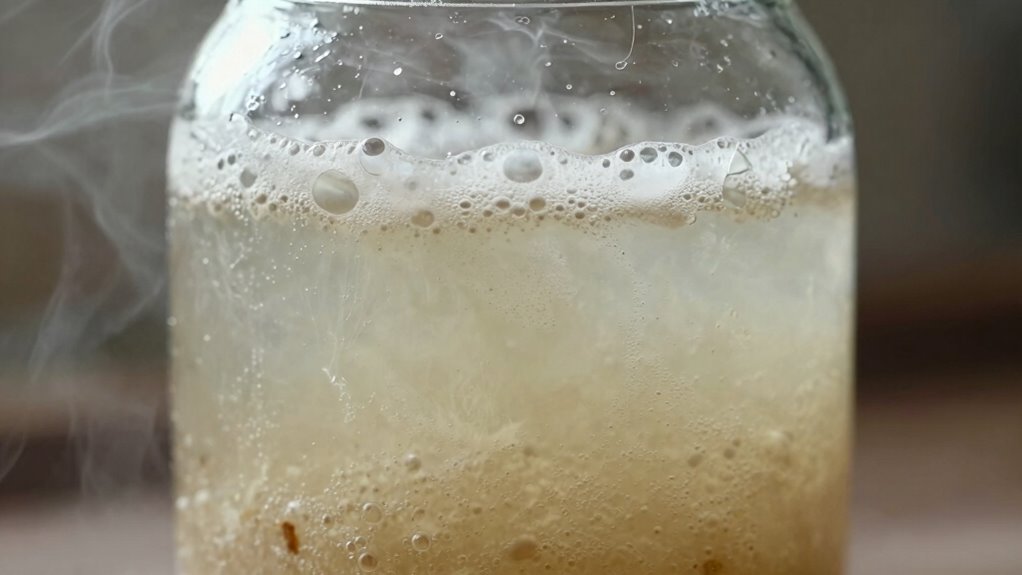
Recognizing signs of spoiled fermentation is essential to making certain your process remains safe and effective. During fermentation, biochemical processes driven by microbial activity produce predictable smells, textures, and appearances. If you notice a foul, rotten, or off-putting odor that’s different from normal fermentation smells, it’s a warning sign that something has gone wrong. Similarly, visible signs like mold, discoloration, or excessive bubbling can indicate spoilage. Pay attention to changes in texture or the appearance of slimy or fuzzy growths. These deviations suggest that unwanted microbes have taken over, disrupting the intended biochemical processes. Understanding fermentation microbiology helps you detect early signs of spoilage and prevent compromised products. Staying vigilant and understanding trusted resources helps you detect early signs of spoilage and ensure your fermentation remains safe and produces quality results. Being aware of microbial activity can further aid in distinguishing normal fermentation from signs of contamination. Additionally, proper fermentation techniques are crucial for maintaining a healthy environment that discourages spoilage microbes from thriving. Regularly monitoring environmental conditions such as temperature and humidity also plays a key role in preventing spoilage.
Common Causes of Unpleasant Fermentation Odors and How to Fix Them

Unpleasant odors during fermentation often stem from specific issues that can be addressed with simple fixes. Common causes include poor sanitation, inadequate airflow, or improper temperature control. These problems compromise fermentation safety and lead to off-putting smells. To prevent odors, verify your equipment is thoroughly cleaned and sanitized. Maintain a consistent, appropriate temperature and allow proper ventilation to avoid buildup of undesirable gases. Additionally, understanding European cloud innovation can inspire smarter, more sustainable ways to monitor and control fermentation environments, ensuring better odor management. Incorporating advanced monitoring tools can further help detect early signs of fermentation issues, reducing the likelihood of unpleasant odors developing. Regularly updating your techniques based on industry best practices can also help maintain optimal fermentation conditions and prevent contamination risks.
Tips for Managing and Reducing Fermentation Smells

To effectively manage and reduce fermentation odors, focus on implementing practical strategies that keep the process clean and controlled. Prioritize fermentation safety by maintaining proper sanitation, controlling temperature, and ensuring airtight seals to prevent unwanted smells. Regularly clean equipment and monitor the fermentation process to catch issues early. To mask persistent odors, use odor masking techniques like venting through activated charcoal filters or employing natural odor absorbers such as baking soda. Proper airflow can also disperse strong smells safely outside your space. Remember, consistent maintenance and attention to detail are key to minimizing unpleasant odors. Additionally, understanding air purification options can help improve overall indoor air quality by removing airborne contaminants and odors. Using air purification systems that incorporate filtration can further enhance odor removal and ensure a fresher environment. Considering ventilation solutions can help in safely dispersing fermentation smells outdoors and maintaining a comfortable indoor environment. A well-designed ventilation system is essential for controlling odors effectively. Incorporating air exchange techniques can optimize the removal of fermentation odors while maintaining indoor air quality. By combining good fermentation safety practices with effective odor masking techniques, you can keep your fermentation environment fresh and odor-free while ensuring a successful fermentation process.
When Should You Seek Expert Advice for Fermentation Odors?

You should seek expert advice for fermentation odors when you notice persistent or worsening smells despite following standard troubleshooting steps. Unusual or strong odors may indicate a fermentation safety issue or contamination. If odors remain intense or change unexpectedly, it’s time to consult a professional to prevent potential health risks. Proper odor troubleshooting is essential to identify whether the smell is normal or a sign of spoilage. Ignoring persistent bad smells can compromise the safety of your fermentation process and final product. A fermentation expert can help diagnose underlying problems, ensure safe fermentation practices, and guide you on corrective measures. Don’t hesitate to seek professional advice if you’re unsure—prioritizing fermentation safety is always the best course of action.
Frequently Asked Questions
Can Fermentation Smells Indicate Health Risks in Food?
Fermentation smells can indicate health risks in food if you notice foul or off-putting odors, which may signal contamination or spoilage. By practicing fermentation safety and odor detection, you can identify when a smell deviates from the normal sour or tangy aroma. Trust your senses—if the smell is unusual, discard the product to avoid potential health issues. Properly monitoring fermentation odors helps guarantee safe, delicious foods.
Do Different Fermentation Types Have Distinct Odor Profiles?
Different fermentation types do have distinct odor profiles. You’ll notice fermentation odor variations depending on whether you’re fermenting vegetables, dairy, or alcohol. For example, sauerkraut has a sharp, tangy scent, while yogurt emits a mild, tangy aroma. These unique fermentation scents develop from specific microbes involved. By recognizing these unique fermentation scents, you can better understand the fermentation process and identify when something’s off.
How Long Do Normal Fermentation Smells Typically Last?
Your fermentation odor usually lasts between a few days to a couple of weeks, but it can feel like forever when it’s strong! Typically, the smell duration depends on the type of ferment and ingredients used. For most ferments, the smell fades considerably after the initial active fermentation phase. If it lingers beyond a few weeks or turns unpleasant, it’s a sign something’s off. Keep an eye on it!
Are There Natural Remedies to Mask Unpleasant Fermentation Odors?
You can use natural remedies like aroma masking to reduce unpleasant fermentation odors. Try simmering herbs like mint, rosemary, or cinnamon to add a pleasant scent. Additionally, odor neutralizers such as baking soda or charcoal can absorb strong smells without chemicals. Ventilate the area well, and consider using essential oils in diffusers. These methods help mask and neutralize odors naturally, making your space more pleasant during fermentation.
Can Improper Fermentation Cause Long-Term Contamination?
Yes, improper fermentation can cause long-term contamination, affecting fermentation safety. If you don’t manage odors properly, harmful bacteria or molds may develop, risking health issues. To prevent this, monitor your fermentation processes carefully and guarantee good odor management by maintaining clean equipment and controlling environmental factors. Address issues promptly to avoid contamination and ensure your fermented products are safe, tasty, and free from unwanted microbial growth.
Conclusion
Just like a seasoned chef knows when a dish has gone bad, trust your senses to detect fermentation issues early. Normal smells are comforting, but unpleasant odors signal trouble—think of them as warning bells. Stay vigilant, manage odors promptly, and don’t hesitate to seek expert help if needed. Remember, keeping fermentation smells in check is key to ensuring your culinary creations remain as delightful as a well-tuned orchestra—harmony, not chaos.
Fall yard work Picks
leaf blowers
As an affiliate, we earn on qualifying purchases.