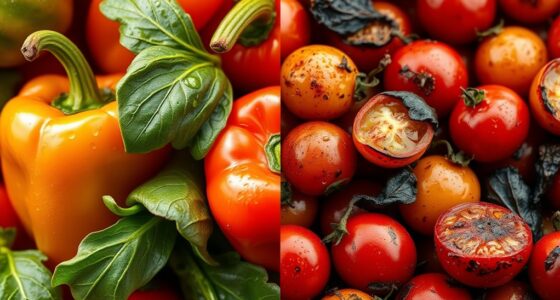
Upcycling ugly produce offers you the same nutritional benefits as attractive fruits and vegetables, including key vitamins, minerals, fiber, and antioxidants. These imperfect items are often just as ripe and nutrient-rich, making them a healthy choice for smoothies, soups, or roasting. Choosing ugly produce supports sustainable farming and reduces food waste, helping the environment. If you want to discover more ways to enjoy and benefit from ugly produce, explore how this practice can make a difference.

Get kitchen staples and gadgets delivered free with Prime
- Fast, free delivery on millions of items
- Prime Video, Amazon Music and more included
- Member-only deals all year
Key Takeaways
- Ugly produce offers the same vitamins, minerals, and antioxidants as visually perfect fruits and vegetables.
- Nutritional integrity remains intact in imperfect produce, making it a healthy choice for various recipes.
- Consuming upcycled ugly produce boosts intake of essential nutrients like fiber, vitamins A and C, and potassium.
- Using imperfect produce in meals supports a diet rich in nutrients without sacrificing quality.
- Upcycled ugly produce helps promote sustainable eating by reducing waste while providing nutritious food options.
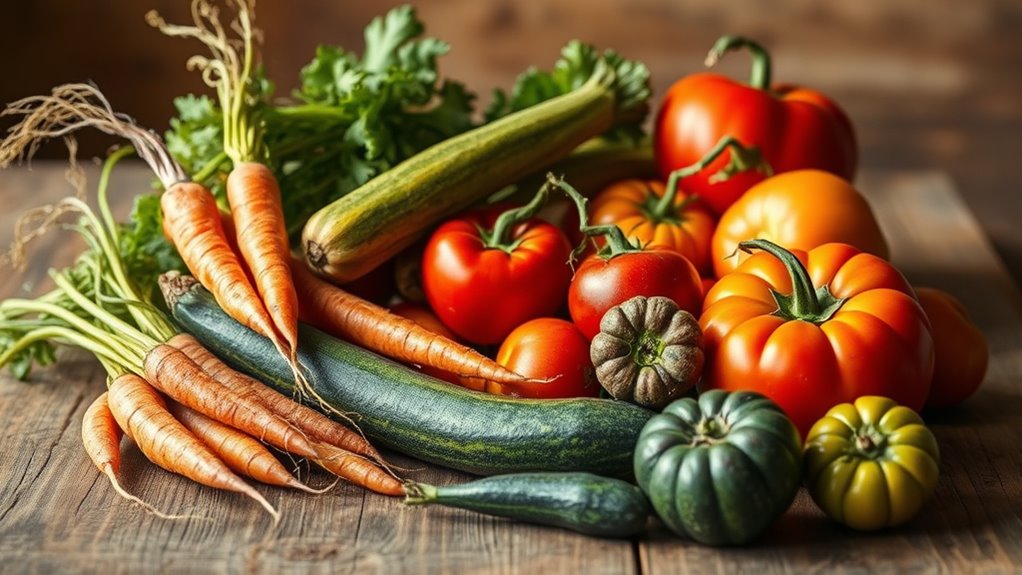
Ugly produce often gets overlooked at the grocery store, but it’s a goldmine for reducing food waste and saving money. When you choose imperfect fruits and vegetables, you’re directly supporting efforts to cut down on food waste, which is a major environmental concern. Food waste reduction isn’t just about saving leftovers; it’s about tackling the larger issue of how much perfectly edible food gets discarded every day. By purchasing and consuming produce that isn’t visually perfect, you help reduce the demand for monoculture farming practices that often lead to overproduction and waste. This also encourages more sustainable farming methods, as farmers are motivated to grow a wider variety of produce without the pressure to meet aesthetic standards that favor appearance over nutritional value.
When you upcycle ugly produce, you’re not just supporting sustainability—you’re also accessing its nutritional potential. These fruits and vegetables often contain the same vitamins, minerals, and antioxidants as their more attractive counterparts. Since they’re ripe and ready to eat, they can be just as nutritious, if not more so, because they’re picked at peak ripeness. Incorporating these into your diet can boost your intake of fiber, vitamins A and C, potassium, and other essential nutrients. Many ugly produce items are perfect for smoothies, soups, stews, or roasted dishes, which preserves their nutritional integrity while minimizing waste. This way, you’re making the most of what’s available, reducing the need to buy additional produce and cutting down on your overall food footprint.
Additionally, embracing AI-driven tools and platforms can help consumers identify and source more ugly produce options online or at local markets, making sustainable choices more accessible. Choosing to upcycle ugly produce also means you’re supporting a more sustainable food system. By extending the life of produce that might otherwise go to compost or landfill, you help decrease the environmental costs associated with food production and disposal. This practice encourages farmers to adopt more sustainable farming practices, knowing there’s a market for imperfect but nutritious food. Plus, it shifts consumer mindset toward valuing food for its nutritional content rather than solely its appearance, promoting a more eco-conscious approach to eating. So, each time you buy and use ugly produce, you’re actively participating in a movement that fights food waste, supports sustainable farming, and promotes a healthier planet—all while nourishing your body with nutrient-rich foods.
Products Worth Considering
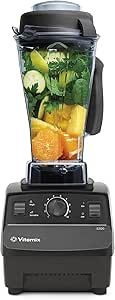
Vitamix 5200 Professional-Grade Blender, 64 oz. Container, Black

Vitamix Propel Series 510 Professional-Grade Blender, 3 Programs, Black
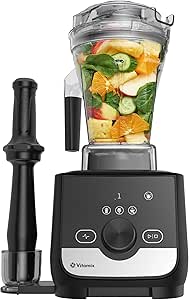
Vitamix Ascent X3 Professional-Grade Blender, 3 Programs, Shadow Black
As an affiliate, we earn on qualifying purchases.
Frequently Asked Questions
How Does Upcycling Ugly Produce Impact Food Waste Reduction?
Upcycling ugly produce substantially reduces food waste by giving these imperfect items a second chance. When you support this practice, you’re directly contributing to sustainability efforts, minimizing the amount of discarded food. It encourages better resource use, cuts down on environmental impact, and promotes a more responsible food system. By choosing to upcycle, you help create a more sustainable future and fight against unnecessary food waste.
Are There Any Safety Concerns With Consuming Imperfect Fruits and Vegetables?
Sure, eating those “ugly” fruits and veggies might seem like a daring adventure, but rest assured, food safety measures are in place. As long as you wash and handle imperfect produce properly, contamination risks stay low. Governments and suppliers monitor safety standards diligently, so you can enjoy your “quirky” produce without worry. Just use common sense—no eating the moldy or rotten bits, and you’re good to go!
Can Upcycled Produce Be Used in Commercial Food Products?
Yes, you can use upcycled produce in commercial food products. The food industry increasingly embraces sustainability, and incorporating imperfect fruits and vegetables appeals to environmentally conscious consumers. By ensuring proper safety and quality standards, you boost consumer acceptance. Upcycled produce can add nutritional value and reduce waste, making your products more appealing and eco-friendly. As awareness grows, using upcycled produce can give your brand a competitive edge and meet market demand for sustainable options.
What Are Some Creative Recipes for Upcycled Ugly Produce?
You can create delicious, creative recipes with upcycled ugly produce by turning them into soups, smoothies, or roasted veggie bowls. Use simple kitchen hacks like peeling, blending, or roasting to transform imperfect fruits and vegetables into tasty dishes. For example, mash overripe bananas into muffins or blend misshapen berries into smoothies. These kitchen hacks help reduce waste while making nutritious, flavorful meals, proving that ugly produce can be both practical and delicious.
How Does Upcycling Ugly Produce Affect Nutrient Retention?
Upcycling ugly produce helps preserve nutrients because you often use the entire fruit or vegetable, minimizing waste and nutrient loss. By preparing and cooking these imperfect items properly, you can enhance bioavailability, making nutrients more accessible for your body to absorb. This process not only reduces waste but also maintains high levels of essential vitamins and minerals, ensuring you get maximum nutritional benefits from your upcycled produce.
Conclusion
By choosing to upcycle those less-than-perfect fruits and veggies, you not only cut down on waste but also discover hidden nutritional treasures. It’s a delightful way to add variety and color to your meals while giving nature’s slightly shy produce a second chance. So, next time you spot that quirky-looking produce, remember, its charm and nutritional value shine just as brightly as the perfect ones—sometimes, a little imperfection makes it even better.