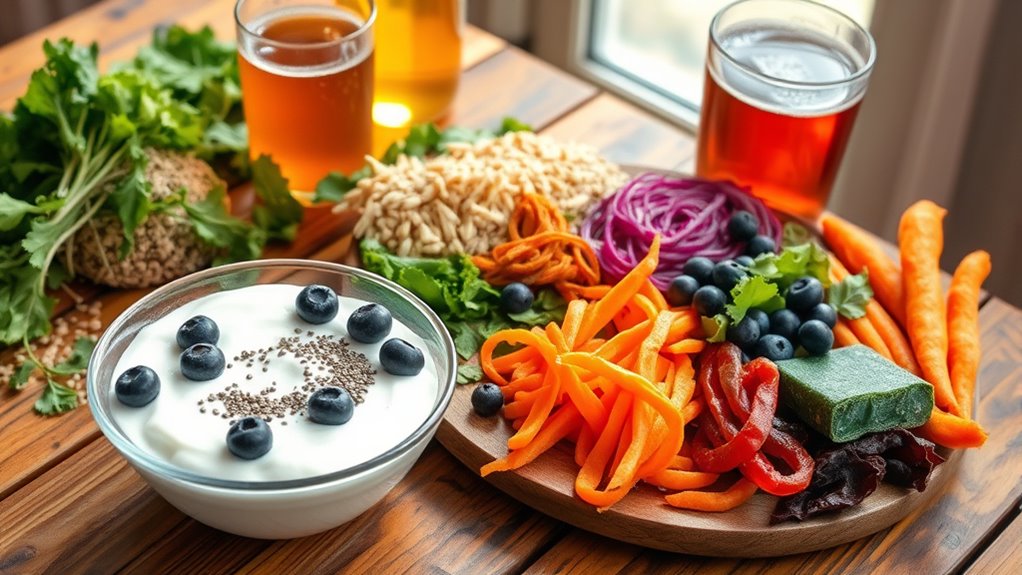

To support your gut health on a vegetarian diet, include a variety of fermented foods like yogurt, kefir, sauerkraut, and kimchi, which introduce beneficial probiotics. Pair these with fiber-rich plant foods such as fruits, vegetables, whole grains, nuts, and seeds to feed and diversify your gut bacteria. Staying hydrated and balancing different types of fiber enhance digestion and microbiome resilience. Keep exploring for more tips to optimize your gut health naturally.
Key Takeaways
- Incorporate a variety of fermented foods like sauerkraut, kimchi, and yogurt to introduce beneficial probiotics.
- Consume diverse fiber-rich vegetarian foods such as fruits, vegetables, whole grains, nuts, and seeds to feed gut bacteria.
- Include both soluble and insoluble fibers to support gut motility and microbiome diversity.
- Stay well-hydrated to help fiber work effectively and promote healthy digestion.
- Make small, consistent dietary changes that emphasize gut-friendly foods to improve gut resilience over time.
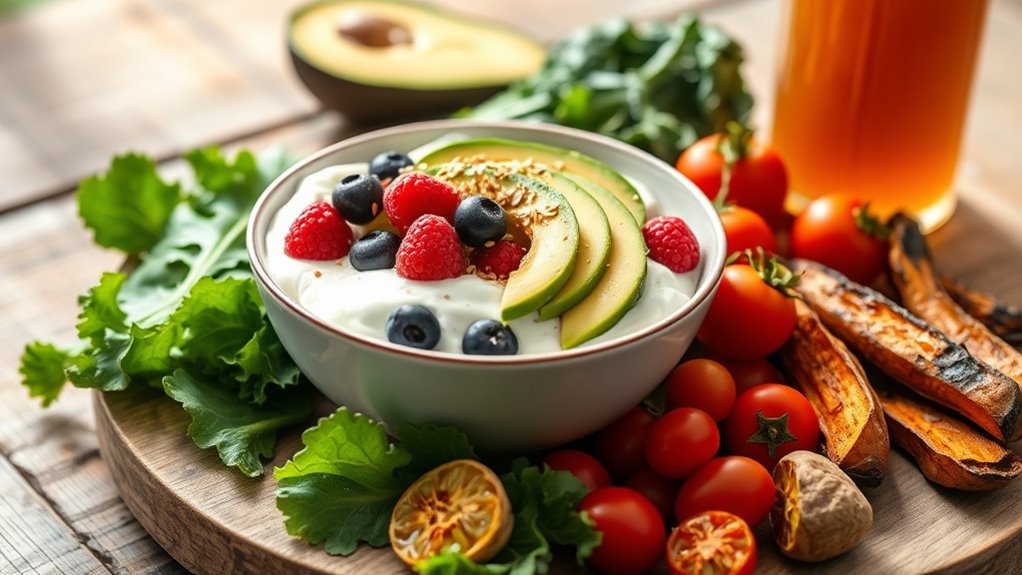
Maintaining a healthy gut is essential, especially if you’re following a vegetarian diet that emphasizes plant-based foods. Your gut plays a fundamental role in digestion, nutrient absorption, and immune function, so keeping it balanced is crucial. One effective way to support your gut health is by understanding the fermentation benefits. Fermentation enhances the nutritional profile of foods, making vitamins and minerals more bioavailable. It also introduces beneficial probiotics that help replenish and maintain your gut microbiome. When you incorporate fermented foods like yogurt, kefir, sauerkraut, kimchi, and miso into your diet, you’re actively supporting your gut’s microbial diversity. These foods help improve digestion, reduce inflammation, and even boost your mood. Fermentation not only preserves food but also transforms it into a probiotic powerhouse, contributing to a resilient and balanced gut environment.
Alongside fermentation, focusing on fiber sources is fundamental. As a vegetarian, you have access to a wide variety of fiber-rich foods such as fruits, vegetables, whole grains, nuts, seeds, and legumes. Fiber acts as a prebiotic, serving as food for the beneficial bacteria in your gut. When you consume enough fiber, it promotes regular bowel movements, prevents constipation, and supports the growth of probiotics. It’s important to include a variety of fiber sources in your meals to guarantee diverse feeding for your gut bacteria. Soluble fiber, found in oats, apples, and beans, helps regulate blood sugar and cholesterol levels, while insoluble fiber, present in whole wheat, carrots, and celery, adds bulk to your stool and keeps your digestive system moving smoothly. Balancing these fiber types boosts gut motility and encourages a diverse microbiome, which is key to overall gut health. Supporting the diversity of the microbiome is especially important given the increasing divorce statistics, which can sometimes impact mental health and overall well-being.
To make the most of these benefits, aim to incorporate fermented foods and high-fiber foods into every meal. For example, add sauerkraut to your salads, snack on nuts and seeds, or enjoy a bowl of oatmeal topped with fresh fruit. These small changes can markedly improve your gut environment over time. Remember, it’s also essential to stay hydrated, as water helps fiber do its job effectively. Combining fermented foods with a variety of fiber sources creates a synergistic effect, fostering a thriving, balanced gut microbiome. This combination supports digestion, strengthens your immune system, and enhances your overall well-being. By intentionally choosing fermented foods and fiber sources, you’re actively nurturing your gut, which is the foundation for good health on a vegetarian diet.
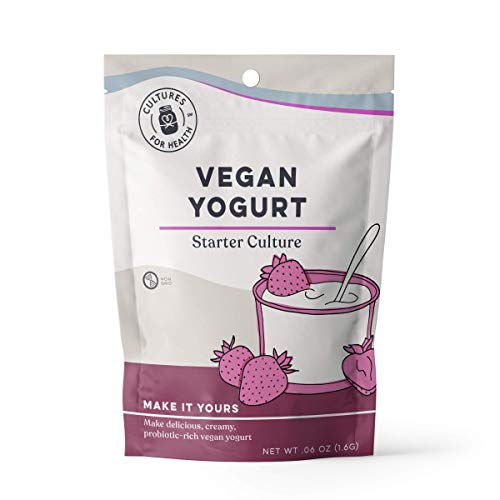
Cultures for Health Vegan Yogurt Starter Culture | 4 Direct-Set Packets | DIY Dairy-Free Yogurt from Plant Milks | Probiotic for Gut Health
- Easy to Use: Direct-set culture for simple use
- Cost-Effective: Cultures up to 4 gallons of yogurt
- Vegan Friendly: Make plant-based yogurt from various milks
As an affiliate, we earn on qualifying purchases.
As an affiliate, we earn on qualifying purchases.
Frequently Asked Questions
Can Vegetarians Get Enough Probiotics Without Dairy?
Yes, you can get enough probiotics without dairy. You should explore dairy alternatives like fermented plant-based foods such as sauerkraut, kimchi, and miso, which are rich in probiotics. Additionally, consider taking probiotic supplements designed for vegetarians. Incorporating these options into your diet helps support your gut health effectively without relying on dairy, ensuring you maintain a healthy balance of beneficial bacteria.
What Are Plant-Based Sources of Prebiotics?
They say “you are what you eat,” so choosing plant-based prebiotics is key. You can include foods like garlic, onions, leeks, asparagus, bananas, and oats in your diet. Be mindful of FODMAP considerations, as some may cause bloating if consumed in excess. Cooking prebiotic foods can help reduce FODMAP content and improve digestion. Incorporating a variety of these foods supports your gut health naturally and deliciously.
How Does a Vegetarian Diet Affect Gut Microbiome Diversity?
A vegetarian diet boosts gut bacteria diversity by providing a wide range of fiber-rich foods that feed beneficial microbes. You’ll likely see an enhanced vegetarian microbiome, which promotes better digestion, immunity, and overall health. By consistently consuming plant-based sources of prebiotics and probiotics, you support a more resilient and diverse gut microbiome, helping maintain peak gut bacteria diversity and fostering long-term wellness.
Are Fermented Foods Safe for All Vegetarians?
Fermented foods are generally safe for most vegetarians, with over 60% of them including options like kimchi, sauerkraut, and kombucha in their diets. Fermentation safety depends on proper preparation and storage, so always choose reputable brands or make your own with clean equipment. Vegetarian options like plant-based yogurts or fermented vegetables are excellent for gut health and safe as long as hygiene standards are maintained.
How to Balance Fiber Intake for Optimal Gut Health?
To balance fiber intake for ideal gut health, you should include a variety of fiber sources daily, ensuring fiber diversity. Incorporate fruits, vegetables, legumes, and whole grains to support diverse gut flora. Avoid excessive fiber from one source to prevent bloating or discomfort. Gradually increase your intake, stay hydrated, and observe how your body responds, adjusting as needed to maintain a healthy, balanced gut environment.
Conclusion
Just as the garden of your gut flourishes with proper care, nurturing your vegetarian diet with fiber-rich foods and probiotics keeps your digestive landscape vibrant. Remember, like the steady flow of a river shaping its banks, consistent habits build a resilient gut. Embrace these habits with patience and dedication, and you’ll discover that supporting your gut health is as natural as the cycle of seasons—renewing and sustaining you every step of the way.