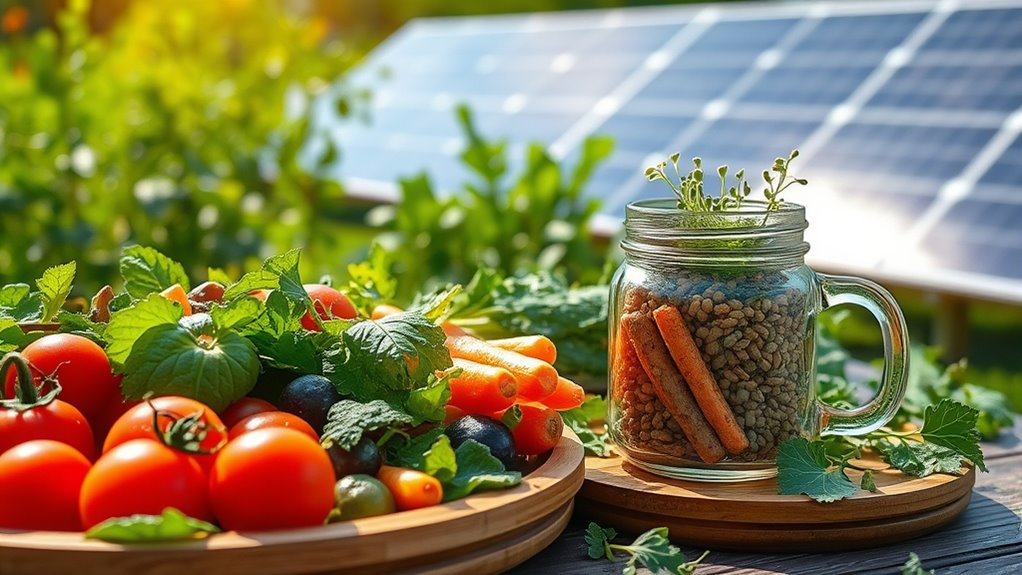

Choosing a sustainable vegan diet impacts the environment by conserving water, lowering greenhouse gas emissions, and protecting ecosystems. Plant-based foods require fewer resources than animal products—using less land, water, and energy. They also help reduce deforestation, biodiversity loss, and pollution. Plus, eating locally grown produce cuts transportation emissions. Staying plant-based encourages eco-friendly farming and water-saving practices. To see how your choices can make a real difference, explore more about the environmental benefits of vegan eating.
Key Takeaways
- Plant-based diets require significantly less water and land than animal agriculture, reducing environmental strain.
- Vegan eating lowers greenhouse gas emissions associated with food production and transportation.
- Adopting sustainable farming practices, like drip irrigation, is encouraged by increased demand for plant-based foods.
- Locally grown plant foods decrease the carbon footprint linked to food transportation and storage.
- Overall, vegan diets help conserve resources, protect ecosystems, and support climate change mitigation efforts.
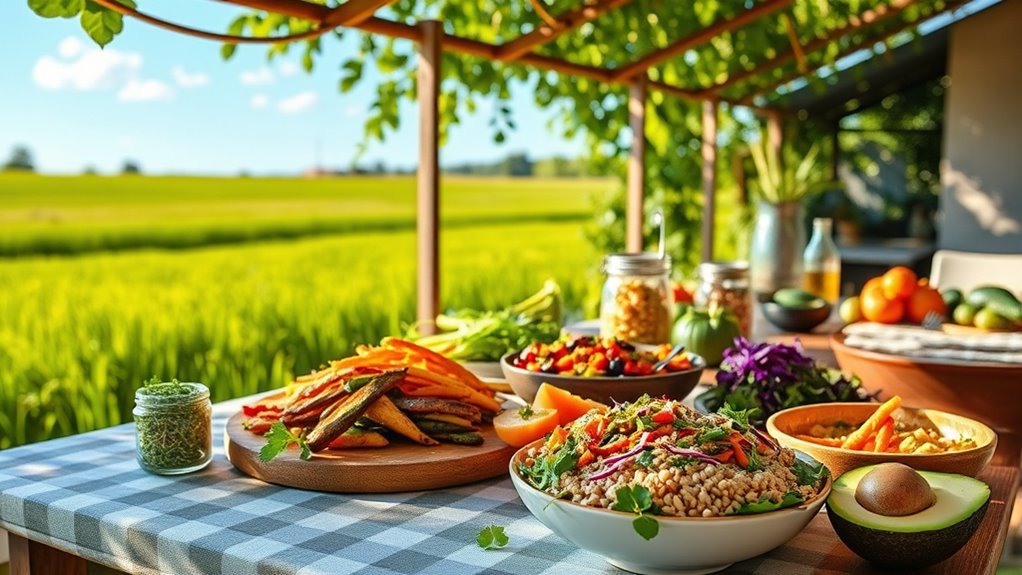
Have you ever wondered how your dietary choices impact the planet? When you shift toward plant-based eating, you’re not just making a healthier choice for yourself—you’re also contributing to a more sustainable environment. One of the most important ways vegan eating benefits the planet is through supporting plant-based farming practices. Unlike conventional meat production, plant-based farming requires fewer resources, reduces greenhouse gas emissions, and minimizes land use. Growing vegetables, grains, and legumes demands less water and energy, making it a more efficient way to produce food. By choosing plant-based options, you’re helping to decrease the demand for intensive livestock farming, which is a major contributor to deforestation, biodiversity loss, and pollution.
Water conservation plays an essential role in sustainable vegan eating. Producing plant-based foods generally uses far less water than raising animals for meat or dairy. For example, it takes approximately 1,800 gallons of water to produce just one pound of beef, while the water needed for vegetables or grains is considerably lower. When you prioritize plant-based foods in your diet, you’re actively reducing your water footprint. This not only helps conserve precious freshwater resources but also eases the strain on water supplies in regions facing droughts and water scarcity. Additionally, water conservation through plant-based farming minimizes runoff and water pollution caused by livestock waste and agricultural chemicals. These pollutants often contaminate local waterways, harming aquatic ecosystems and affecting nearby communities.
Your choice to embrace vegan eating encourages the adoption of sustainable farming practices. Many farmers are increasingly adopting water-efficient techniques, such as drip irrigation and rainwater harvesting, to further reduce water use. Supporting these practices by purchasing plant-based foods helps incentivize more farmers to adopt environmentally friendly methods. Furthermore, choosing locally grown plant foods reduces the carbon footprint associated with transportation and storage, amplifying the environmental benefits. When you make conscious food choices, you’re part of a larger movement that promotes sustainable agriculture, preserves natural resources, and fights climate change.
In essence, shifting to a plant-based diet empowers you to make impactful decisions for the environment. By supporting plant-based farming and water conservation efforts, you help reduce resource consumption, lower greenhouse gas emissions, and protect ecosystems. Every meal becomes an opportunity to contribute positively to the planet’s health. Your commitment to vegan eating isn’t just a personal health choice—it’s a powerful step toward a more sustainable future for everyone.
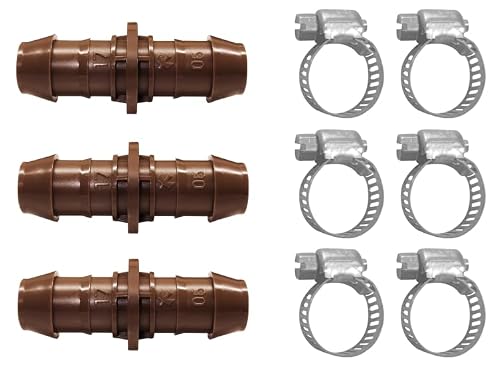
LECTO Universal 5/8", 1/2", .700" Drip Line Repair & Extension Kit – 3 Pack Plastic Couplers with 6 Stainless Steel Hose Clamps
- Dual Repair and Extension: Repairs or extends drip tubing
- Universal Compatibility: Fits major drip-line brands
- Compact Storage: Easy to store in toolboxes
As an affiliate, we earn on qualifying purchases.
As an affiliate, we earn on qualifying purchases.
Frequently Asked Questions
How Does Vegan Eating Affect Water Conservation?
Vegan eating considerably reduces your water footprint because plant-based foods generally require less water than animal products. By choosing more vegan options, you help improve irrigation efficiency, meaning less water is wasted during crop production. This way, you conserve water resources and lessen environmental strain. Your dietary choices directly impact water conservation efforts, making vegan eating a practical way to support sustainable water use and protect essential freshwater supplies.
What Are the Most Sustainable Plant-Based Protein Sources?
Think of plant-based proteins as the foundation of a strong building—you want sustainable sourcing to keep it sturdy and eco-friendly. Legumes like lentils and chickpeas, along with quinoa and tofu, are some of the most sustainable options because they require less water and land. These sources not only nourish you but also help reduce environmental impact, making your diet both healthy and eco-conscious.
Does Vegan Farming Reduce Greenhouse Gas Emissions?
Yes, vegan farming reduces greenhouse gas emissions by lowering the carbon footprint and requiring less land use compared to animal agriculture. When you choose plant-based foods, you’re helping cut emissions linked to livestock, which are significant sources of methane and nitrous oxide. This shift also preserves land, decreases deforestation, and promotes sustainable practices. Your dietary choices directly contribute to a healthier environment and a more sustainable future.
How Can Urban Areas Promote Sustainable Vegan Diets?
You can promote sustainable vegan diets in urban areas by supporting urban agriculture and community gardens. These initiatives encourage residents to grow plant-based foods locally, reducing transportation emissions. Organize workshops and events to educate people on vegan options and benefits. Collaborate with local authorities to create incentives for sustainable practices. By making plant-based eating accessible and community-driven, you help foster a greener, healthier city environment.
What Are the Challenges of Scaling Vegan Food Production Globally?
It’s a coincidence that scaling vegan food production globally faces challenges like supply chain disruptions and land use conflicts. You’ll need to navigate complex logistics, ensuring efficient distribution while preserving land for diverse ecosystems. As demand grows, balancing sustainable land use with increased production becomes harder. You must innovate with plant-based alternatives and optimize supply chains to meet global needs without compromising environmental integrity or resource availability.
Conclusion
By choosing a plant-based diet, you’re planting seeds for a healthier planet. Every meal you opt for vegan options is like watering those seeds, helping them grow into a sustainable future. Think of your choices as a ripple in a pond—small acts can create waves of positive change. So, embrace vegan eating as your tool to nurture Earth’s environment, turning your daily habits into a garden of hope and resilience.